

Cracow – A Destination That Truly Delivers
Whether you are visiting Cracow for the first time or already know the city well, there is always more waiting to be discovered. Cracow has a rare ability to surprise its visitors – quietly, subtly, and profoundly. Are you ready to let the city reveal itself to you?
A City of Long History and Rich Culture
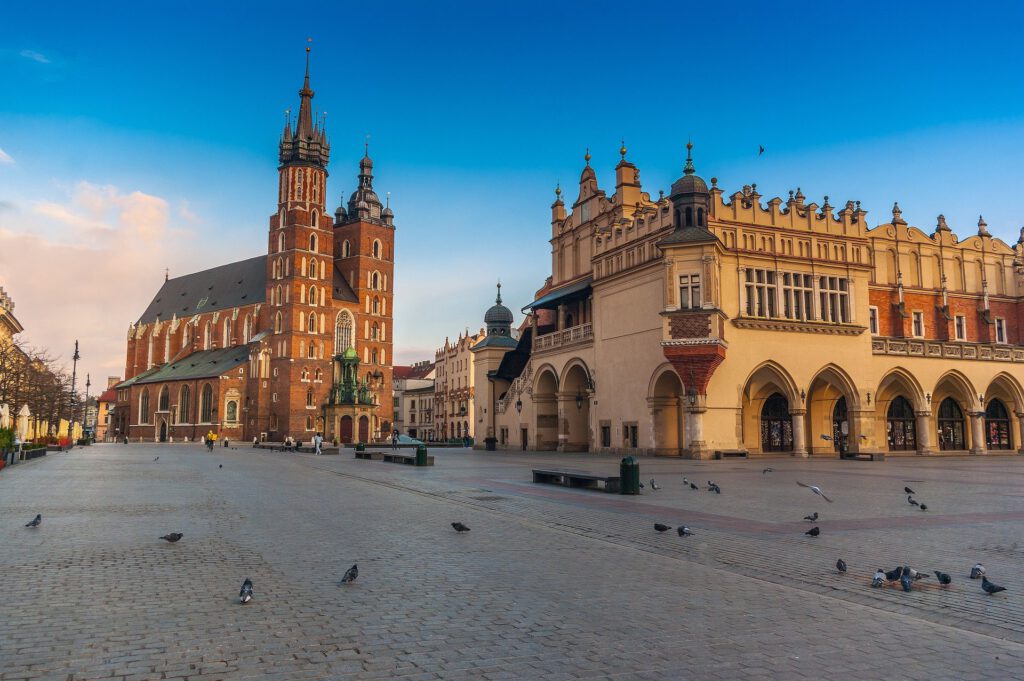
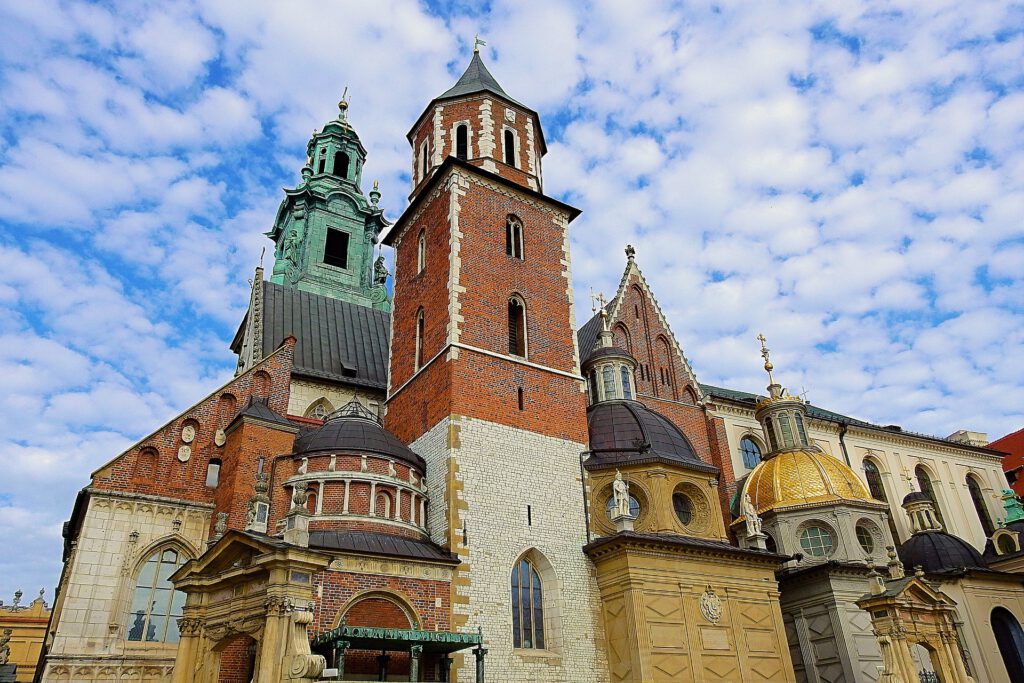
Cracow is Poland’s second-largest city and one of its oldest. It received municipal rights in 1257, but long before that it was already an important settlement thanks to its strategic location. Major trade routes crossed the area, and the presence of both a river and a limestone hill created ideal conditions for the city to develop into a centre of commerce and power. In the year 1000, a bishopric was established on Wawel Hill, making Cracow a major religious centre as well. By the 11th century, the city was already regarded as the capital of the Polish state. From 1320 onward, Polish kings were crowned and buried in Wawel Cathedral, turning the hill into the symbolic heart of the nation.
During the transformative 14th century, both Cracow and Poland gained their first university. Around the same time, the Jewish diaspora settled in the city, creating a vibrant community whose history continued uninterrupted until the Second World War. The 15th and 16th centuries marked Cracow’s golden age, a period of prosperity and cultural flowering. This era came to an end in 1596, when Warsaw became the capital of Poland and Cracow gradually lost its political prominence.
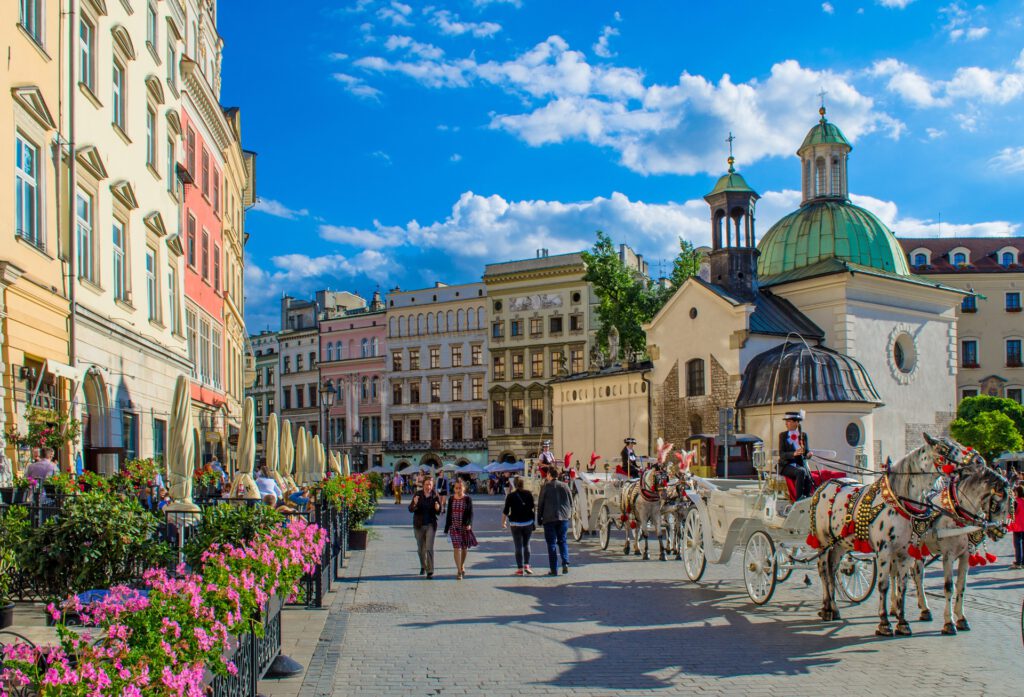
For the next 123 years, during the partitions of Poland, Cracow belonged to the Austro-Hungarian Empire – a legacy still clearly visible in the city’s architecture today. After the First World War, Cracow began to rebuild and redefine itself. During the interwar period, Wawel Castle served as the official residence of the President of Poland. However, this revival was abruptly halted by the outbreak of the Second World War.
Poland was once again divided, and Cracow found itself within the Nazi-occupied General Government, with the city designated as its capital. Claimed by the Nazis as “authentically German,” Cracow was spared large-scale destruction. The post-war period, however, brought new challenges. The newly built utopian communist city of Nowa Huta, with its vast steelworks at the centre and the ambition of erasing religious life, was meant to stand in direct opposition to historic Cracow. History took a different turn: both Cracow and Nowa Huta became strongholds of resistance against the regime.
A Journey to the City of Dreams
Today, Cracow is Poland’s spiritual and cultural heart. It is a city of countless churches, museums, libraries, and festivals – a modern academic centre with universities, research institutes, and a vibrant intellectual life. It is a city of innovation and knowledge, where tradition meets the future. At the same time, Cracow charms with its intimate alleyways and cosy cafés, atmospheric neighbourhoods rich in character, imaginative restaurants offering world-class cuisine, and hotels to suit every taste and budget – from historic and elegant to modern and design-driven. Trendy boutiques coexist with old flea markets, and history can quite literally be felt at every step. This is a city shaped by centuries – a city that invites you to slow down, look more closely, and listen. For us, Cracow is a city of dreams. Welcome to Cracow.


