

Royal Tapestries – A Remarkable Journey Through History
Hidden from Swedish troops during the so-called Swedish Deluge in the 17th century, seized by Empress Catherine the Great a hundred years later, shipped down the Vistula River just three days before the Nazi invasion of Cracow in September 1939, evacuated to Romania, then transported through France to Great Britain, and finally sent to Canada – the royal tapestries of Wawel have lived a history as dramatic as that of Poland itself.
They did not return to Wawel Castle until 1961. On the occasion of the 50th anniversary of their return, a unique exhibition was inaugurated at Wawel Castle: *Homecomings. All the King’s Tapestries: 2021 – 1961 – 1921*. The exhibition presents the magnificent tapestries commissioned in the 16th century by King Sigismund II Augustus, the last ruler of the Jagiellonian dynasty and the uncle of the Polish-Swedish king Sigismund Vasa.
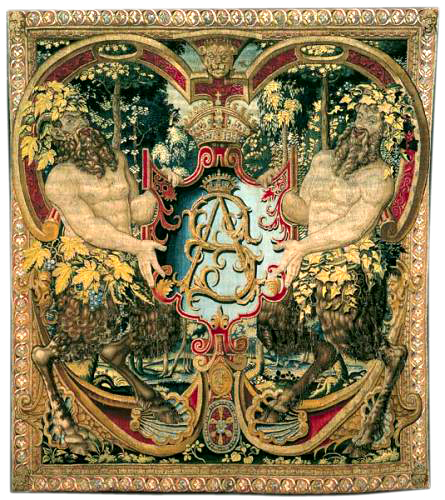
For the first time, all surviving tapestries were displayed together at Wawel Castle – the very interiors for which they had originally been created. The exhibition features 137 tapestries, impressive not only for their scale but also for the brilliance of their gold and silver threads. Among them are tapestries depicting biblical scenes, landscapes, flora and fauna, heraldic motifs, as well as textiles originally intended as decorative fabrics for furniture and windows. Several of these works had never before been shown to the public.
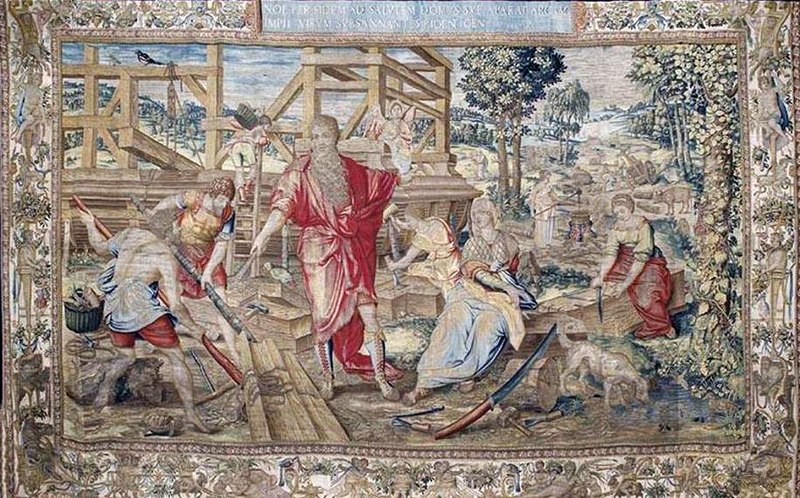
Crafted for a King
The royal tapestry collection was woven in Brussels between 1550 and 1560, at the time the undisputed centre of European textile art. It was commissioned by King Sigismund II Augustus, a ruler renowned for his passion for fine craftsmanship and artistic collections. This ensemble is the largest tapestry collection ever produced at the request of a single monarch.
The year marked two important anniversaries of the tapestries’ return to Wawel. On 18 March 1961, they were brought back to Cracow from Canada, where they had been safeguarded during the Second World War to prevent them from falling into Nazi or Soviet hands. Earlier still, on 18 March 1921, the tapestries returned to Wawel after 126 years in Russia – a return made possible by Poland’s regaining independence after the partitions that began in 1795.
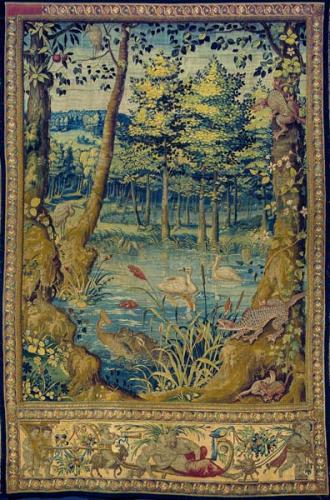
Masterpieces of Textile Art
The Wawel tapestries are true masterpieces of their kind. Their creators drew inspiration from the greatest artists of the Renaissance as well as from contemporary botanical and zoological compendia. The textiles were woven not only from wool and silk, but also from threads of gold and silver, lending them exceptional richness and durability.
The original collection comprised around 160 tapestries of varying sizes. The exhibition also tells the story of the conservators whose meticulous work made their restoration possible. Today, the tapestry exhibition is also accessible online, allowing audiences worldwide to admire these extraordinary works.
The royal tapestries of Wawel are not merely decorative objects. They are witnesses to history – to loss, survival, and return – and a powerful symbol of Poland’s cultural resilience.


