
Zakopane – Where the Mountains Meet the Soul
To travel to Zakopane is to approach the very heart of the Tatra Mountains – Poland’s highest and most legendary mountain range. Here, nature and culture meet, as do faith and imagination, labour and art. Zakopane is often called “the winter capital of Poland,” yet it is far more than that: a place that captivates with its spirit and beauty throughout the year.
A City of Artists and Poets
From the late 19th century onward, Zakopane became a centre of Polish cultural life. Artists, writers, composers, and painters came here in search of inspiration among the mountains, clouds, and people. It was here that Stanisław Witkiewicz created the distinctive Zakopane Style – a wooden architectural language inspired by highlander traditions, folk mythology, and the rhythms of nature. Poets such as Jan Kasprowicz and Kazimierz Przerwa-Tetmajer wrote some of their most powerful works here, reflecting on love, solitude, and the raw force of nature.
”I see the mountains standing in the glow of light,
and clouds moving like thoughts in the wind.”
(adapted from Tetmajer)
This was a time when Zakopane was known as the “Athens of Poland.” Composers like Karol Szymanowski, artists such as Władysław Hasior, and writers including Tadeusz Boy-Żeleński turned the town into a refuge for art, creativity, and freedom. That legacy remains alive today – in museums, galleries, and in the unique atmosphere that lingers between the peaks.
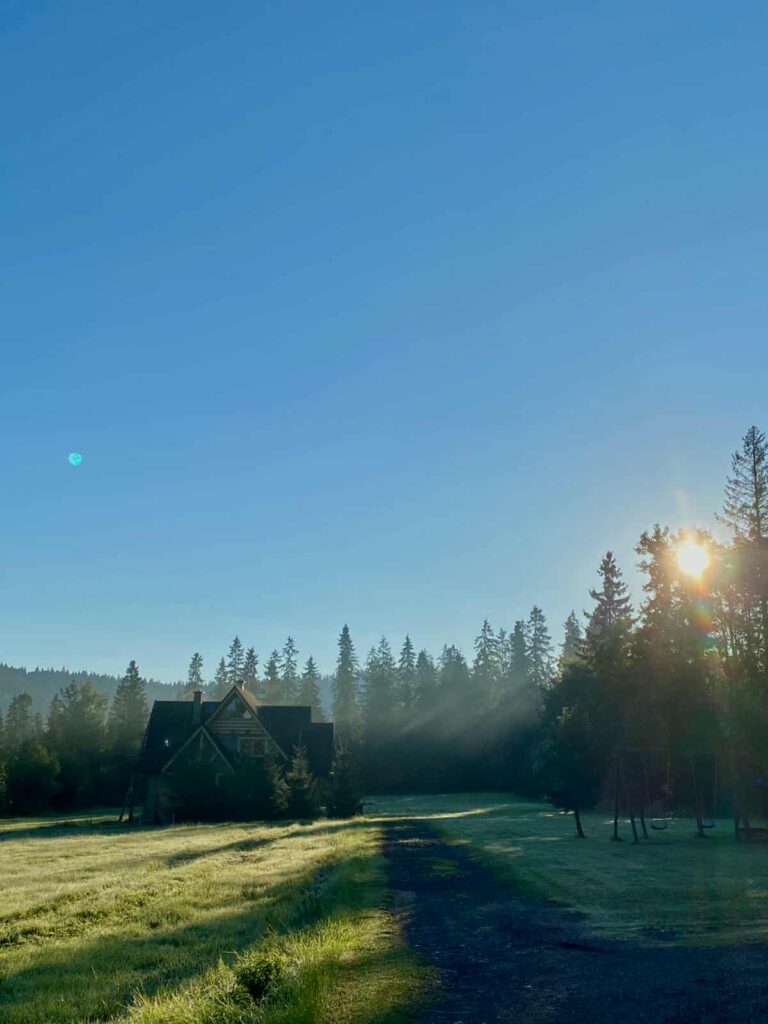
Pęksowy Brzyzek Cemetery – The Soul of Zakopane
No place reveals Zakopane’s spirit more clearly than the small cemetery at Pęksowy Brzyzek. Here rest the town’s artists, poets, mountain guides, ski jumpers, heroes, and rebels – people who shaped both the Tatras and Polish identity.
The graves themselves are small works of art: wooden crosses carved with symbolic motifs, metal plaques engraved with quotations, stones painted with suns and hearts, and folk paintings on glass – traditions that remain an essential part of regional culture.
Walking along the narrow paths and reading the names – Witkiewicz, Makuszyński, Hasior, Szymanowski, Marusarz – one senses that Zakopane is not merely a place, but a state of memory and spirit. Anyone wishing to understand the town should begin or end here, where history whispers through wood and wind. It is a place where art, nature, and the human soul meet in a single breath.
Culture, People, and Symbols
Zakopane is also the land of the Górale – the highlanders whose culture, language, and music remain powerfully alive. Górale still wear traditional dress: men in white woollen trousers decorated with colourful parzenica patterns; women in floral skirts, red coral necklaces, and shawls. Their music, played on violins, basses, and bagpipes, carries a rhythm that goes straight to the heart – simple, intense, and full of life.
In summer, sheep graze on mountain pastures, and in village huts oscypek – the distinctive smoked sheep’s cheese – is produced in its characteristic spindle shape. Tasting it warm and grilled, served with cranberry jam, is like tasting Zakopane itself: salty, sweet, smoky, and authentic.
Before the Second World War, Zakopane was one of Poland’s most famous spa resorts – a meeting place for artists, intellectuals, and thinkers from across the country. During the war, the town experienced both heroism and pain. Many Górale joined the resistance and gave their lives for freedom. Others collaborated with the occupiers in the so-called “Goralenvolk” movement – a tragic and complex chapter in the region’s history. Monuments and stories still recall this period, reminding us that history always contains both light and shadow.
A Walk Through the Town
A guided walk through Zakopane follows paths of culture and nature alike.
- Krupówki Street buzzes with life: cafés, market stalls, crafts, street musicians, and the scent of wood and charcoal grills. Here, the town’s heart beats in rhythm with tourists’ footsteps and highlander energy.
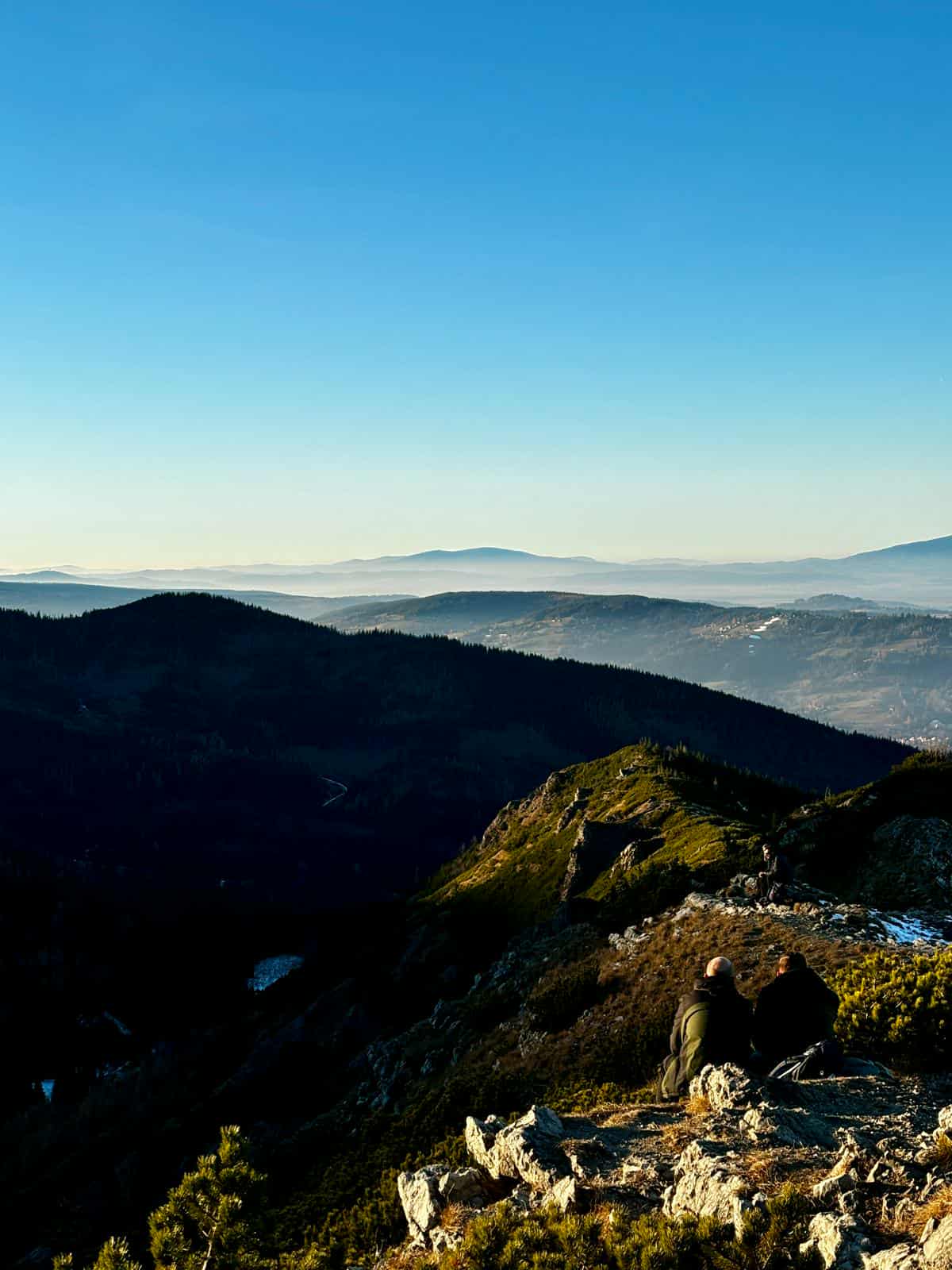
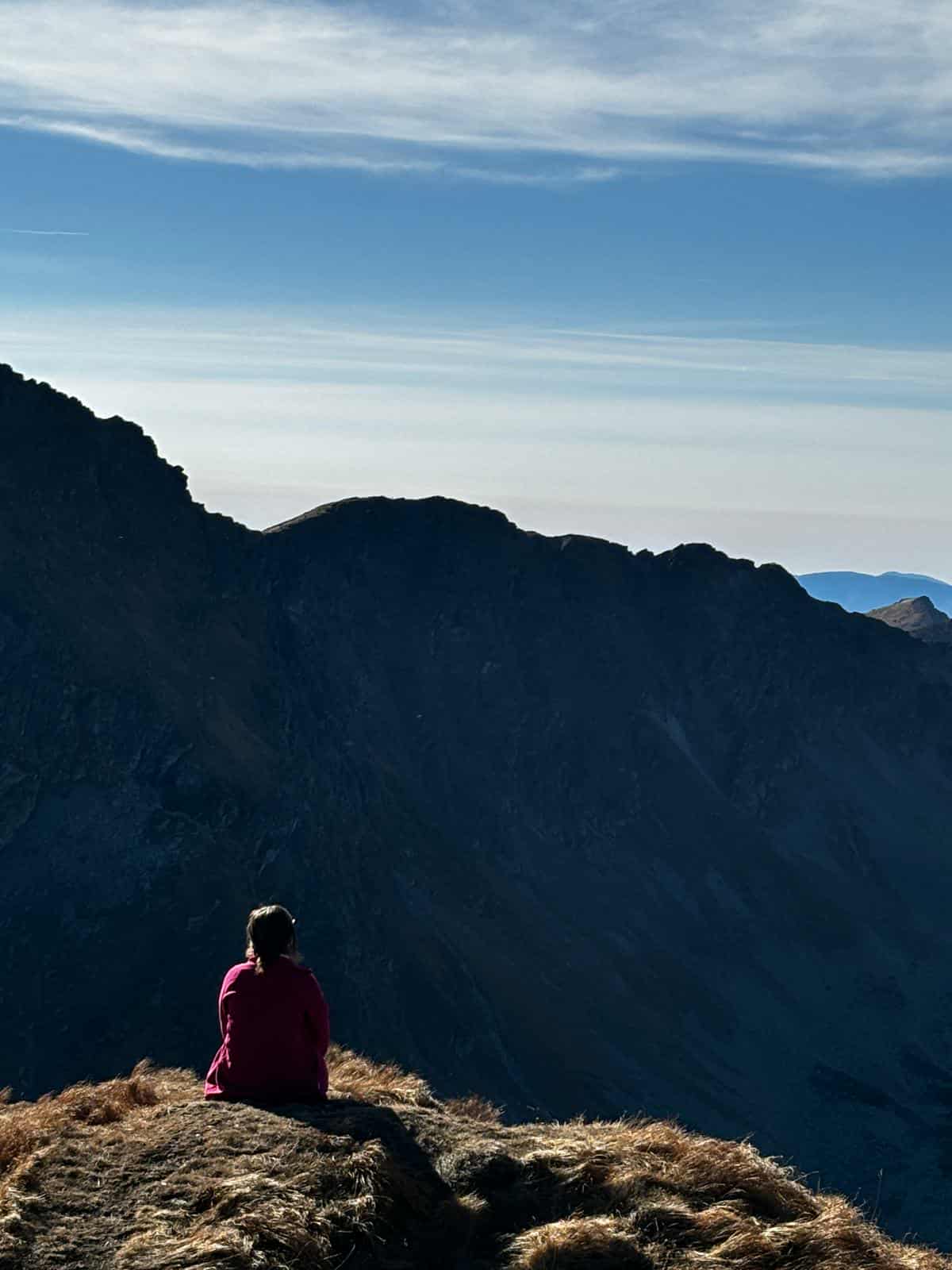
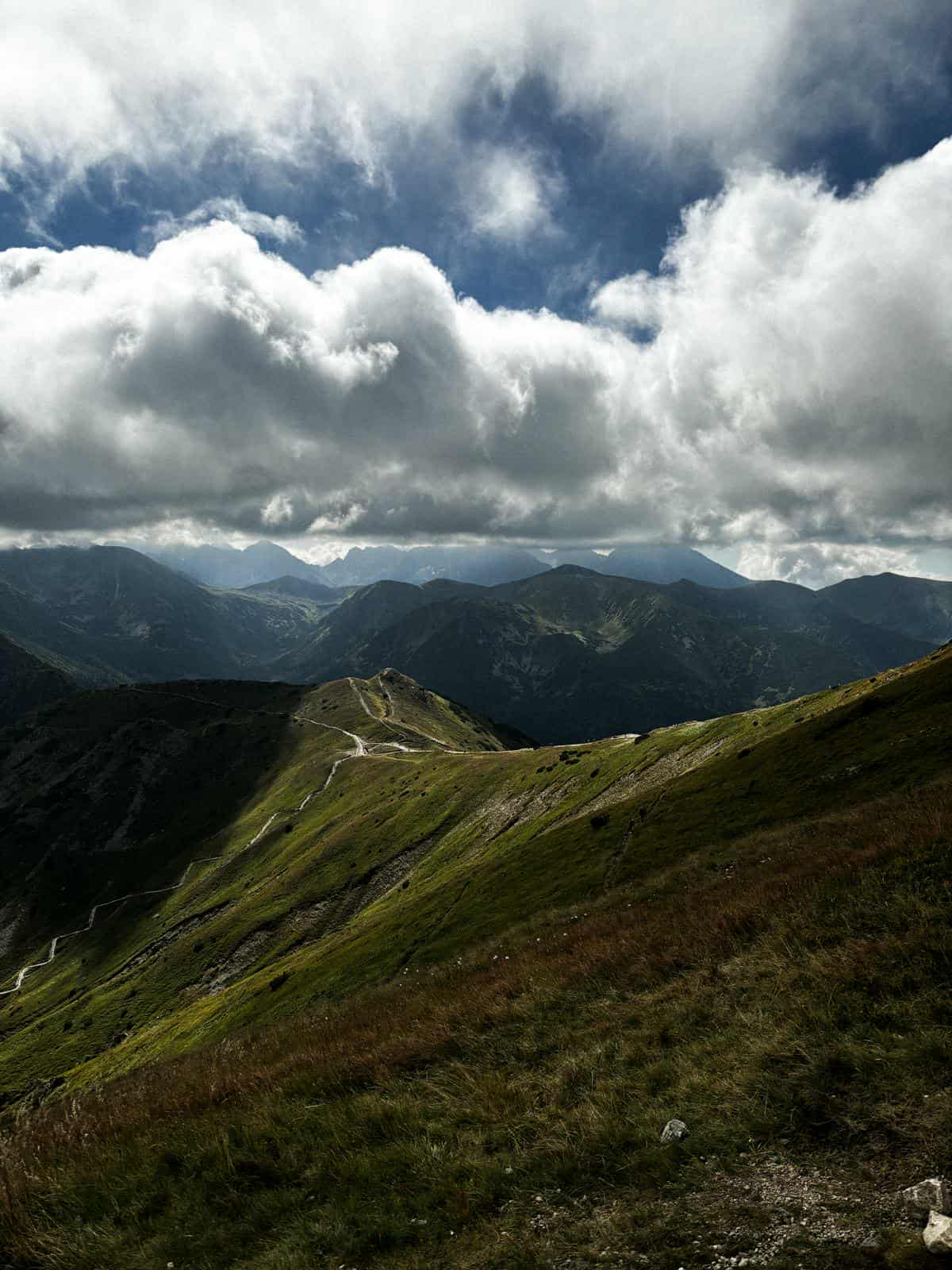
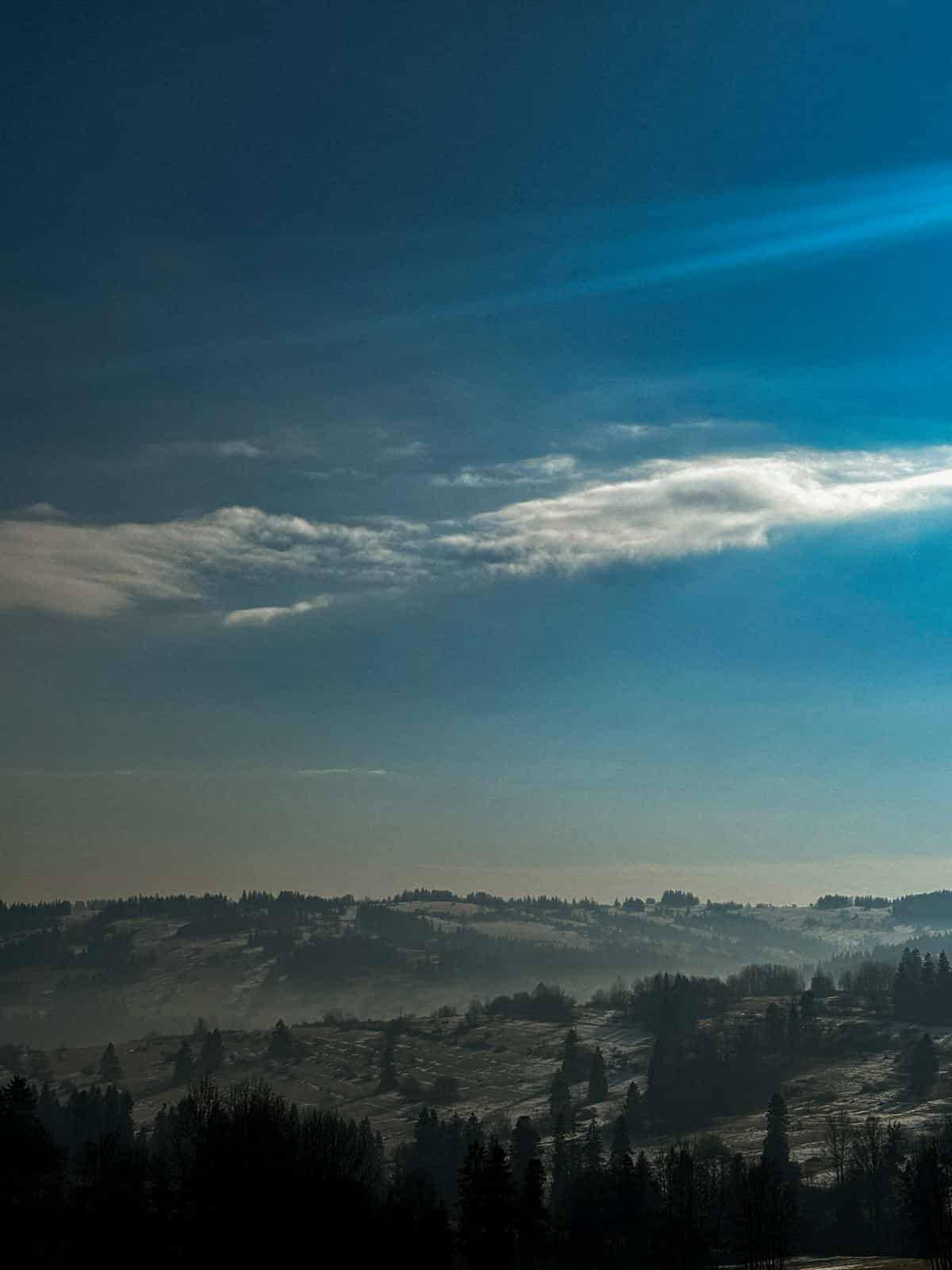
- From Gubałówka Hill, panoramic views open over the Tatra Mountains – a landscape of light and clouds, where the horizon seems to touch eternity.
- Among historic villas such as Willa Koliba or Willa Oksza, one discovers Witkiewicz’s wooden architecture in all its detail: carved roofs, floral window frames, and symbols drawn from nature.
- At Atma, Karol Szymanowski’s former home, now a museum, the sounds of Polish modernism still echo – piano music, wind, and solitude.
- The Tatra Museum weaves together nature, culture, and science: flora, fauna, geology, and human life lived in harmony with the mountains.
- On the way back, one may stop at Jaszczurówka, where a unique wooden chapel built entirely without nails stands as a masterpiece of the Zakopane Style.
Then we can continue to Chochołów – a village that is a living museum of traditional highlander wooden architecture, each house glowing in honey-coloured tones of pine and history.
The Tatra Mountains – Where Sky Meets Earth
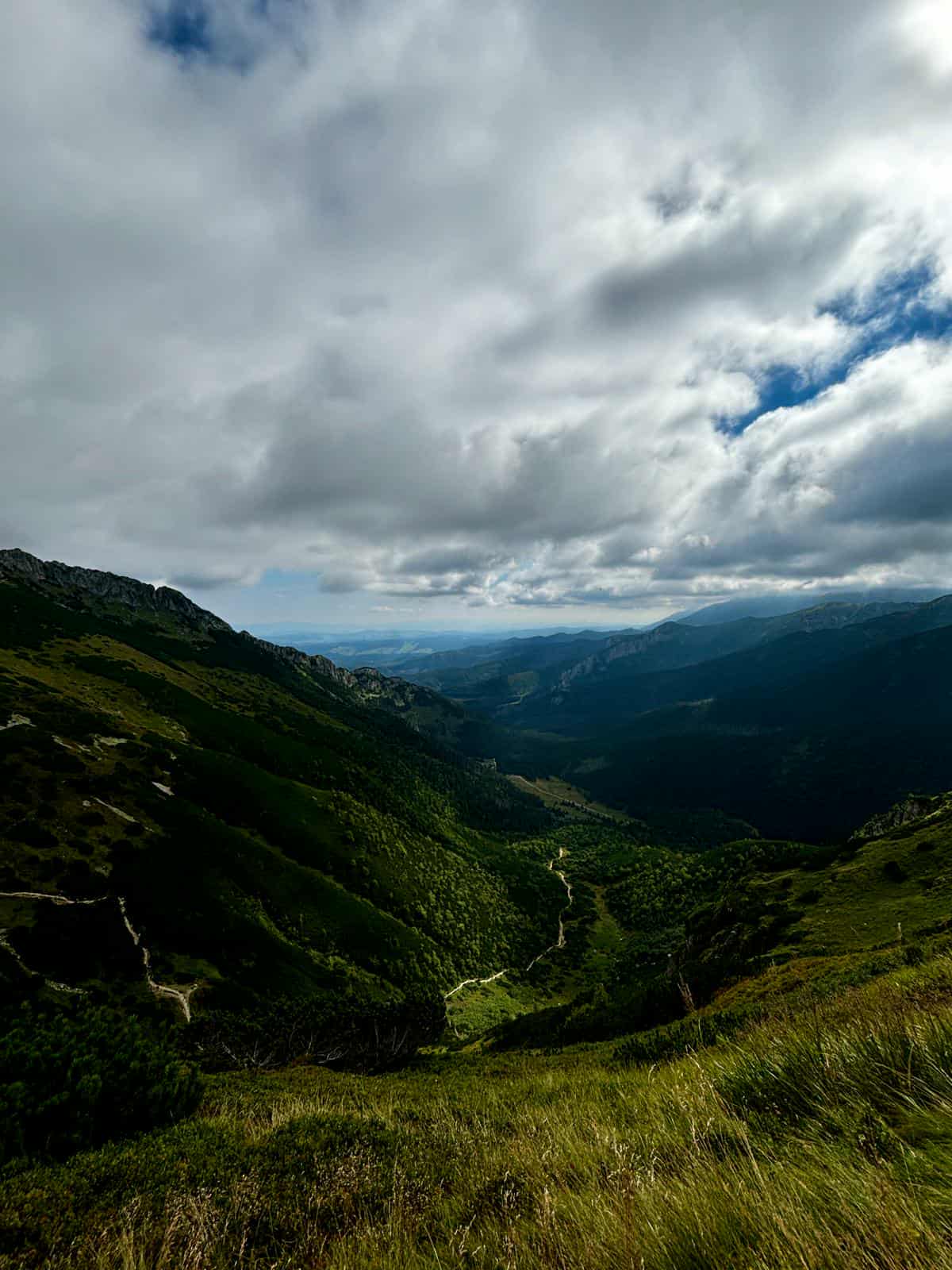
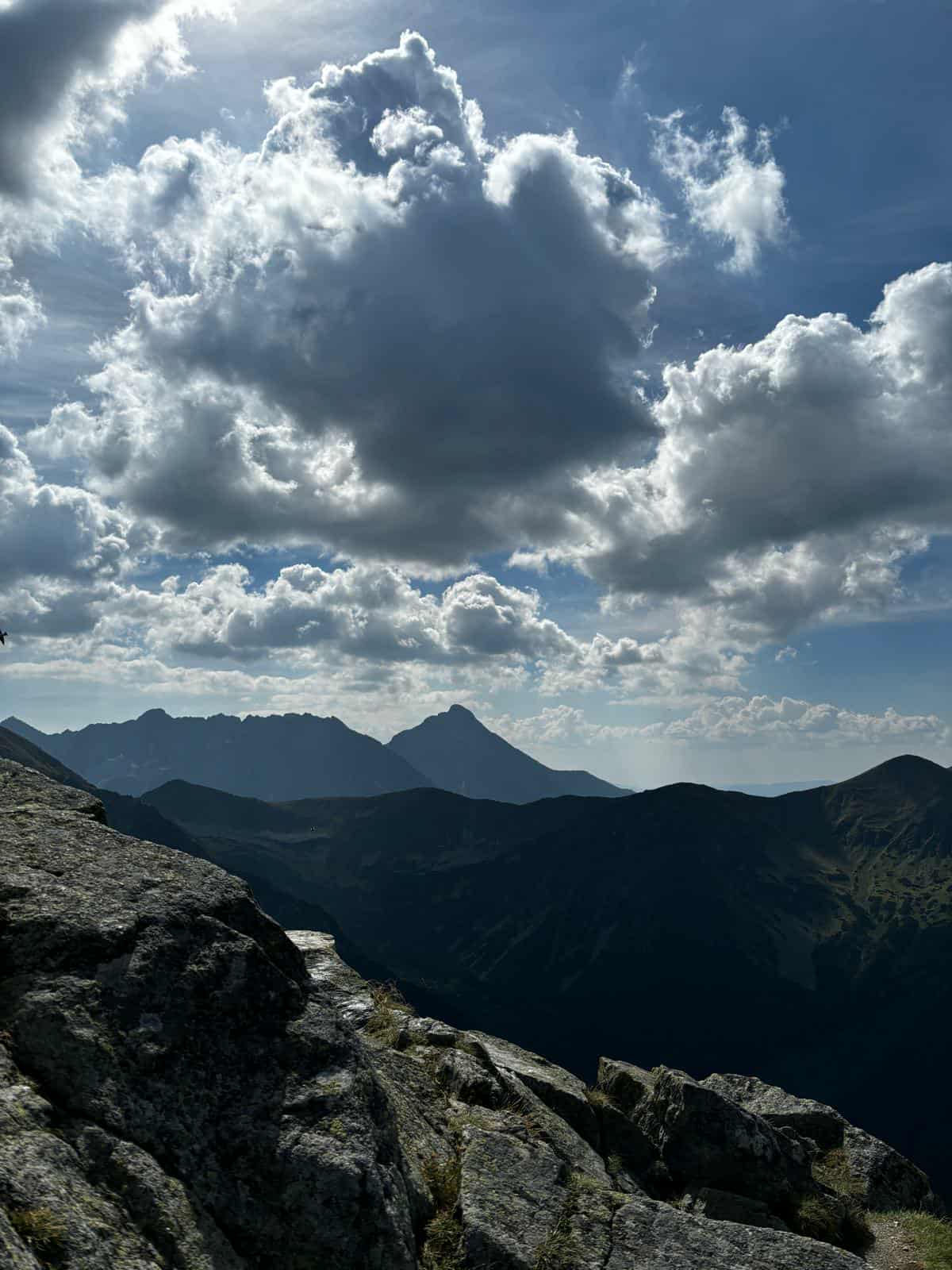
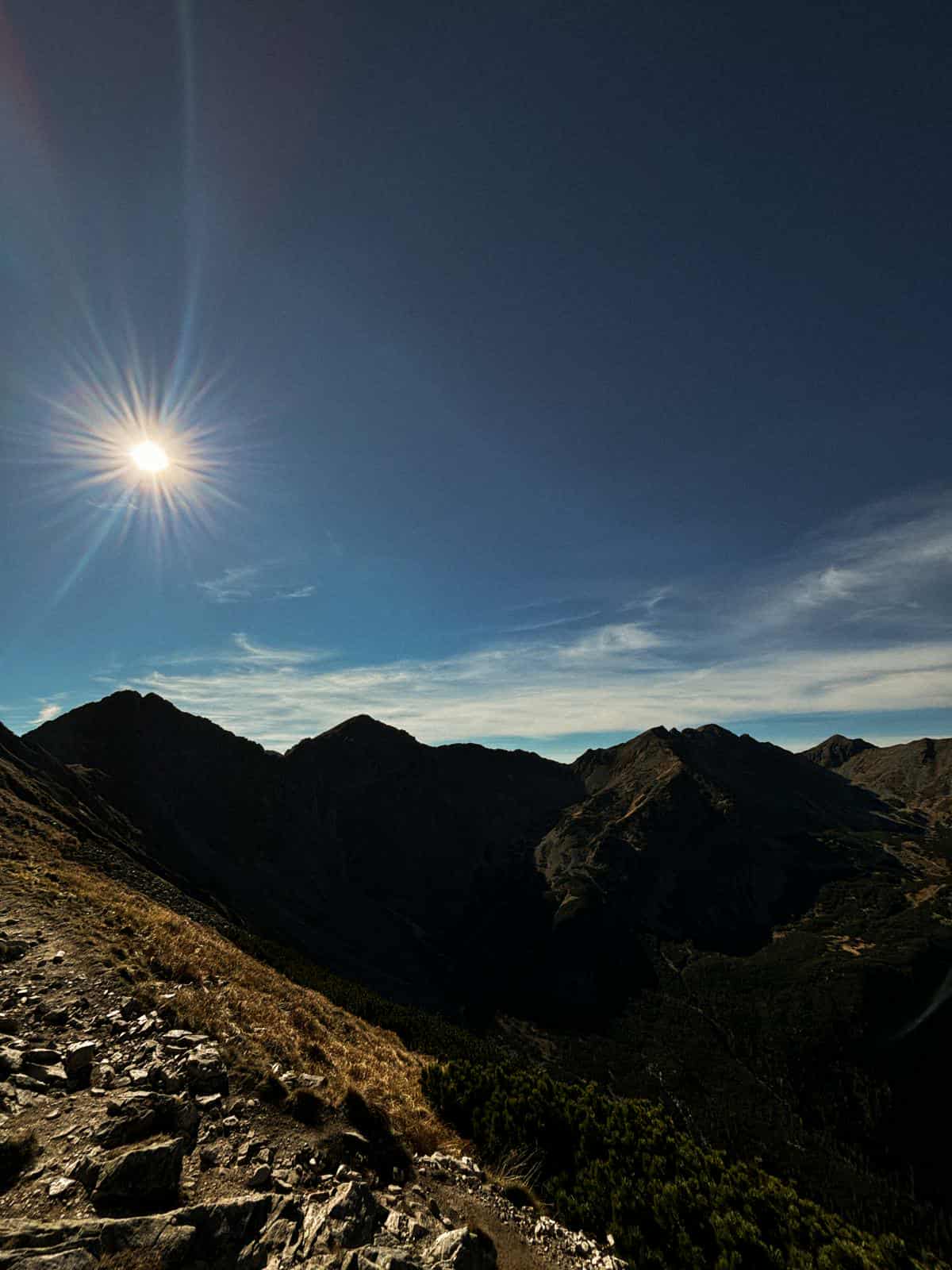
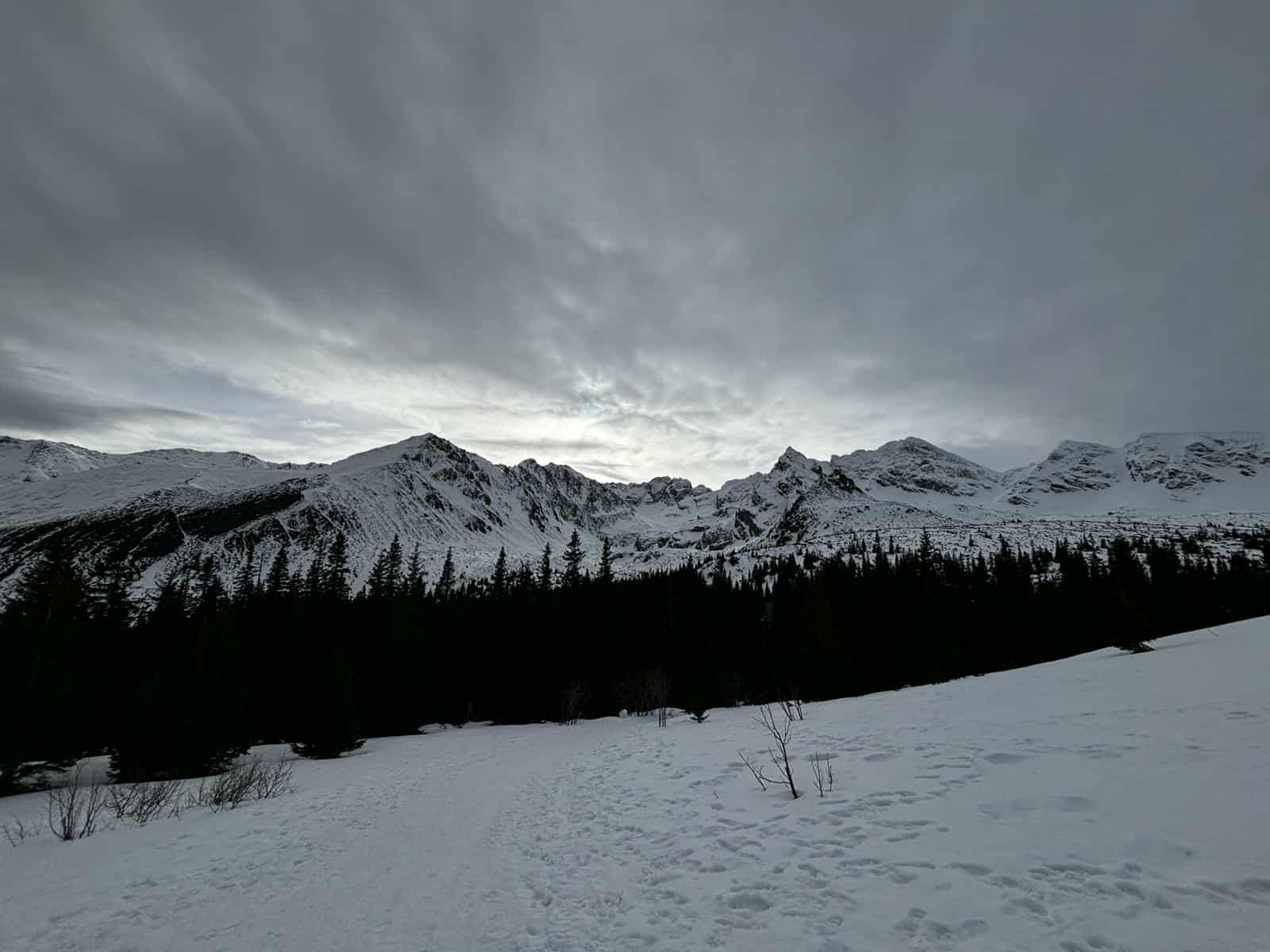
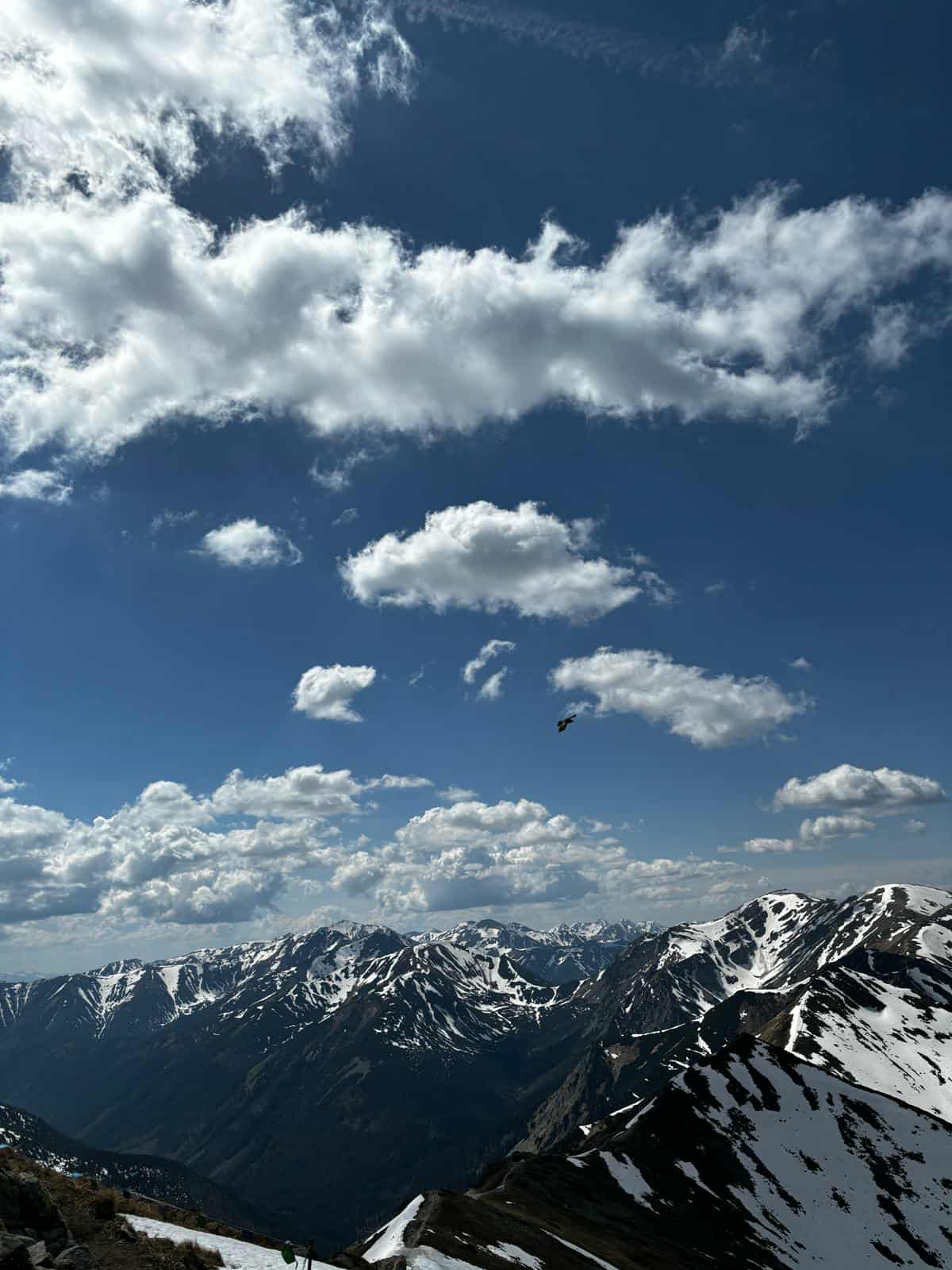
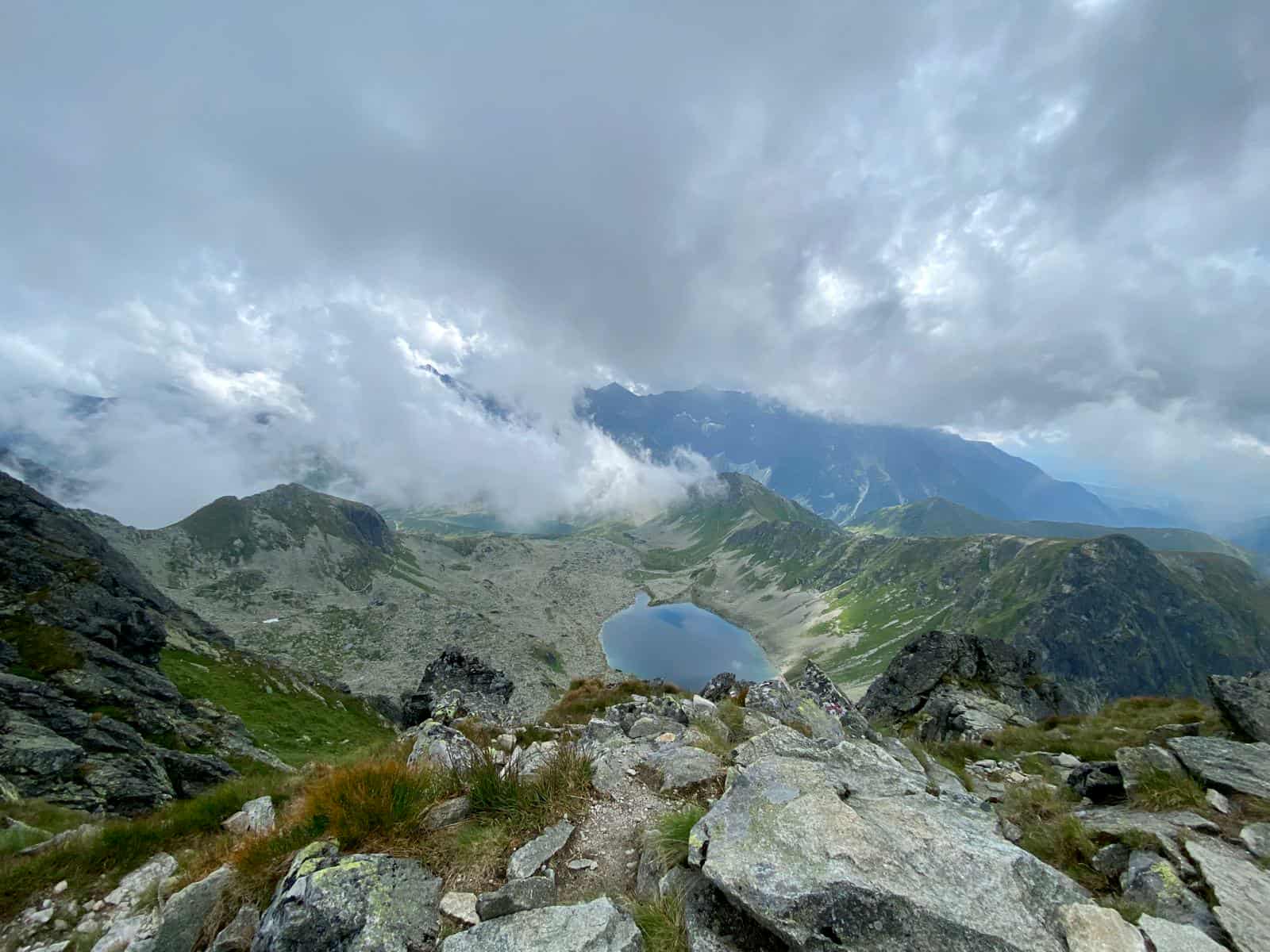
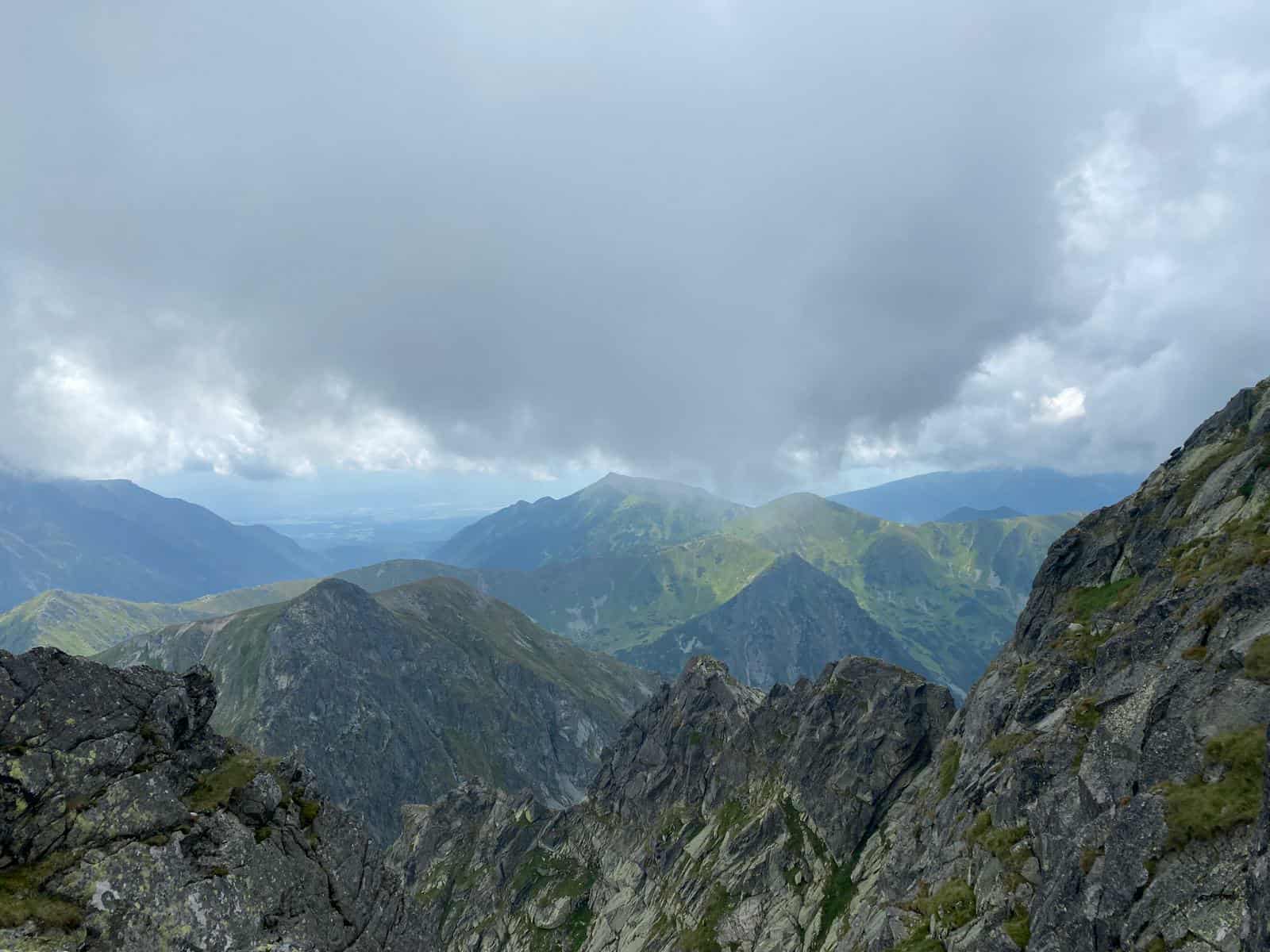
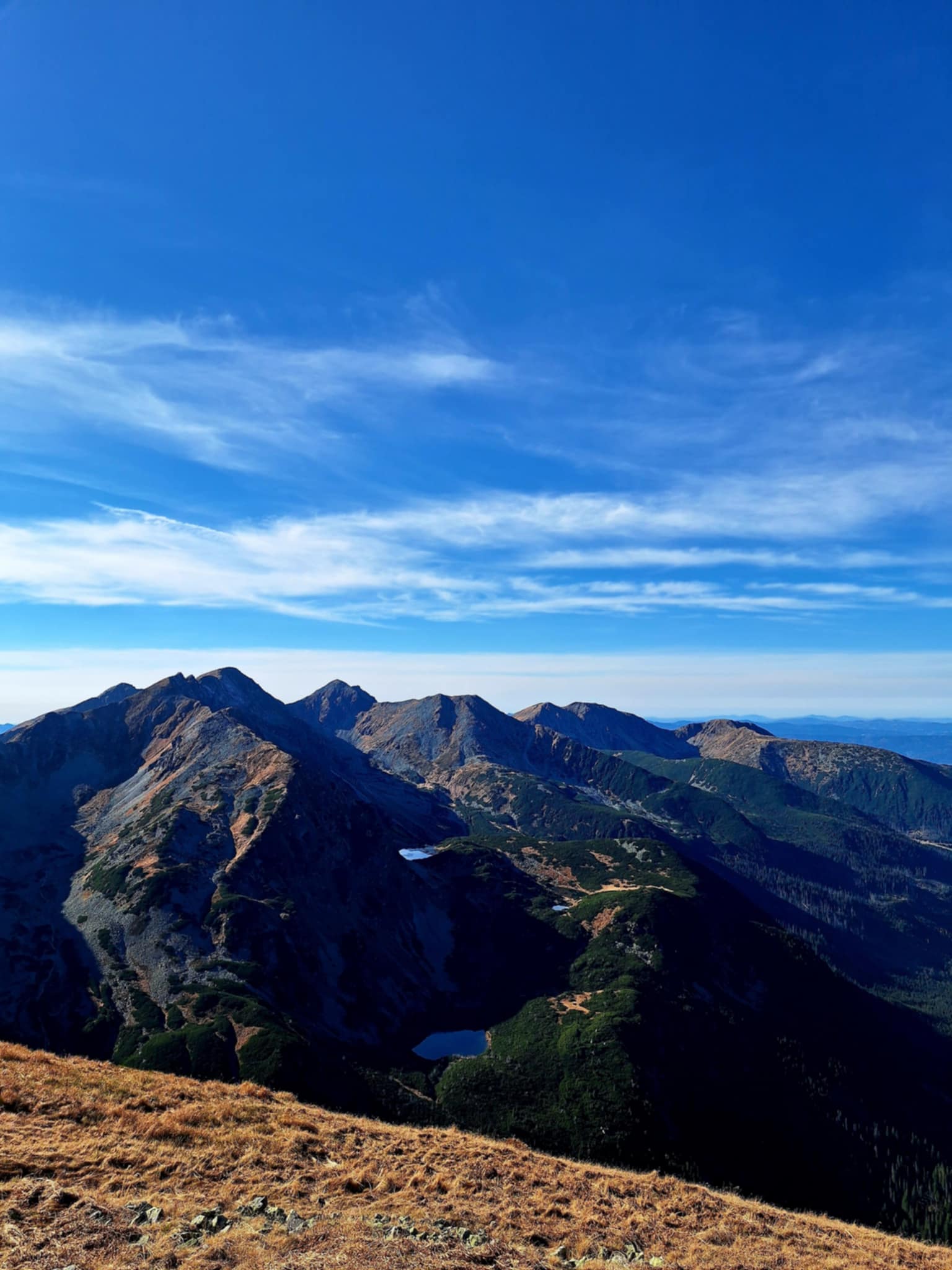
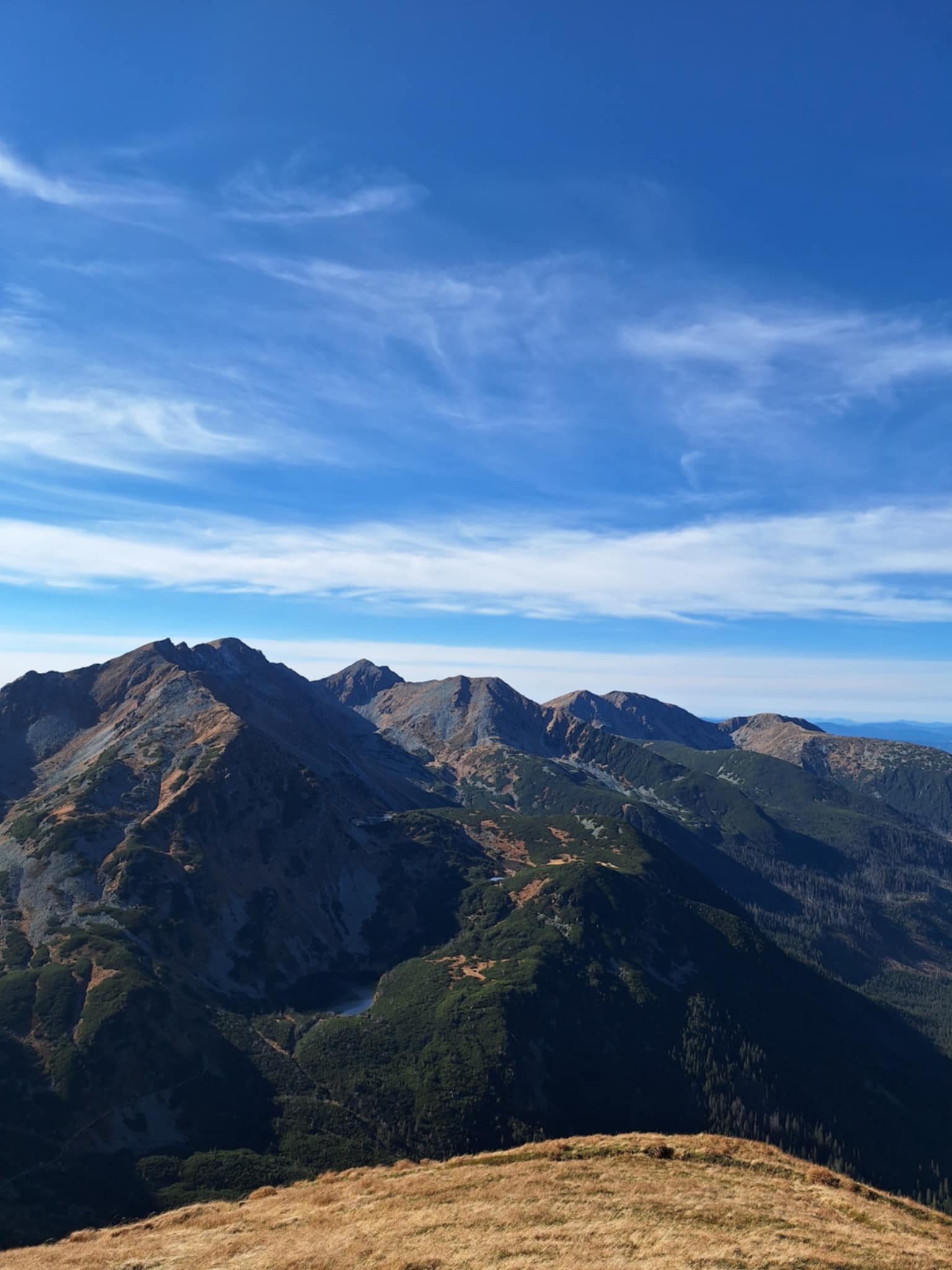
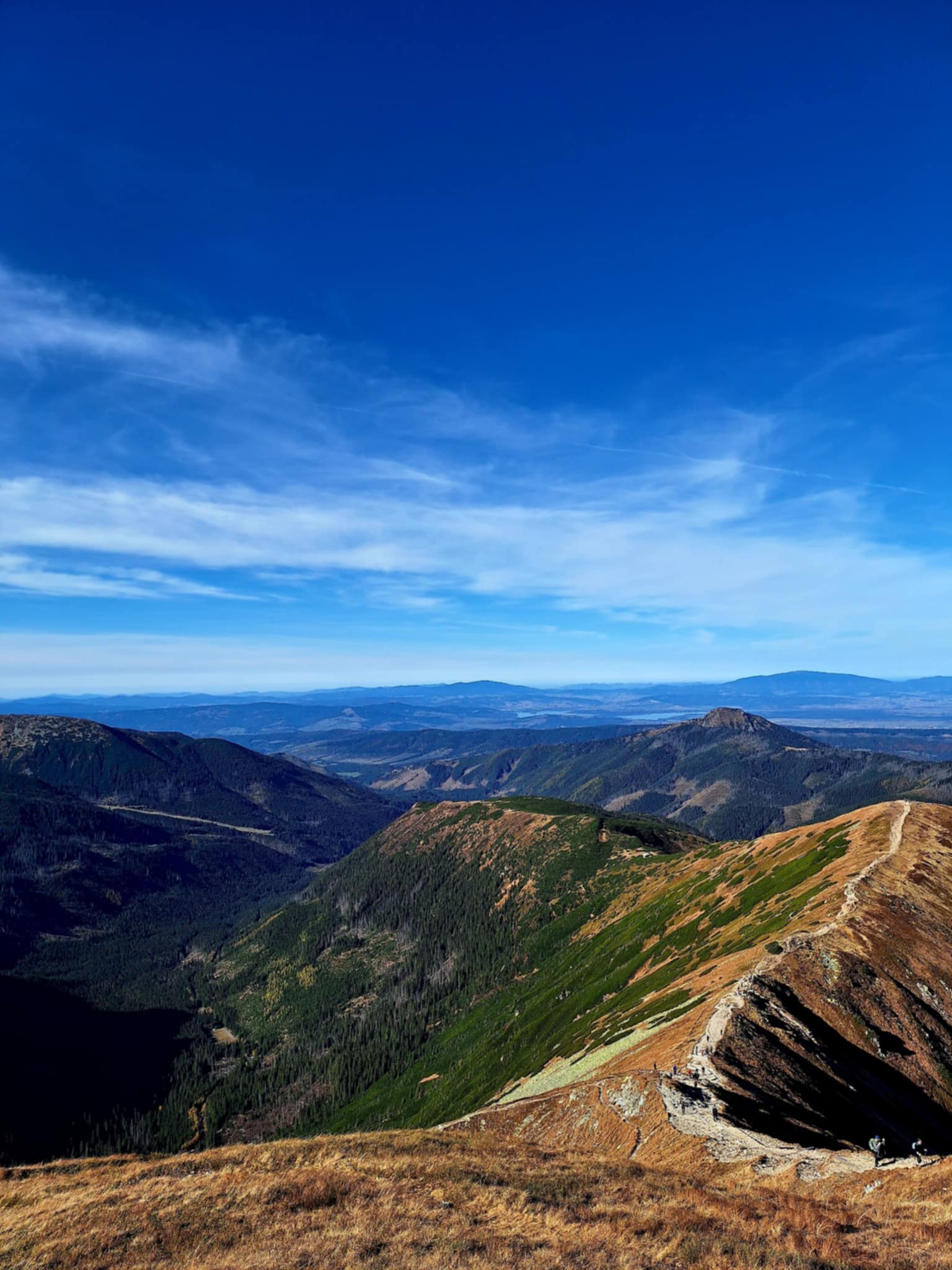
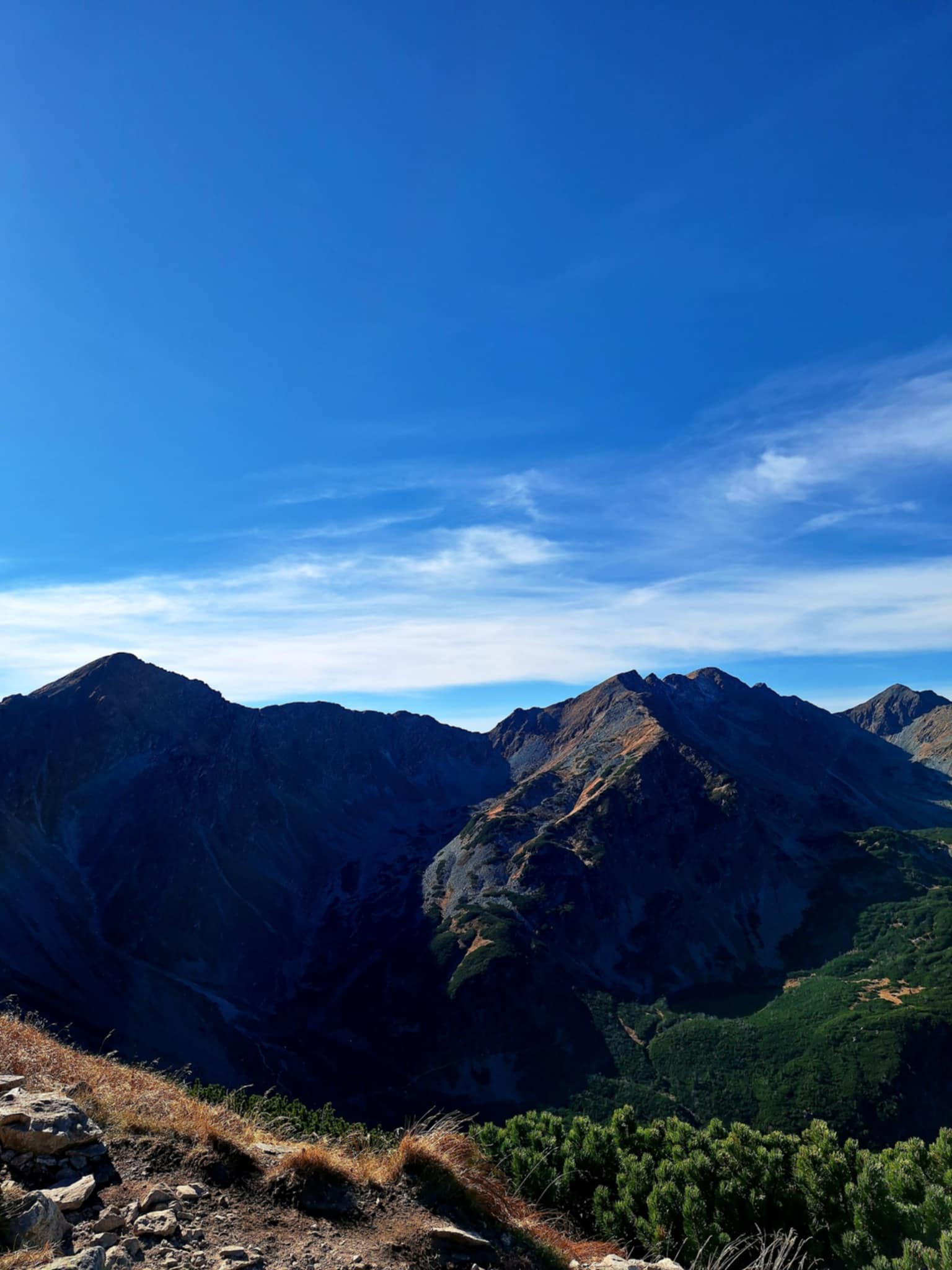
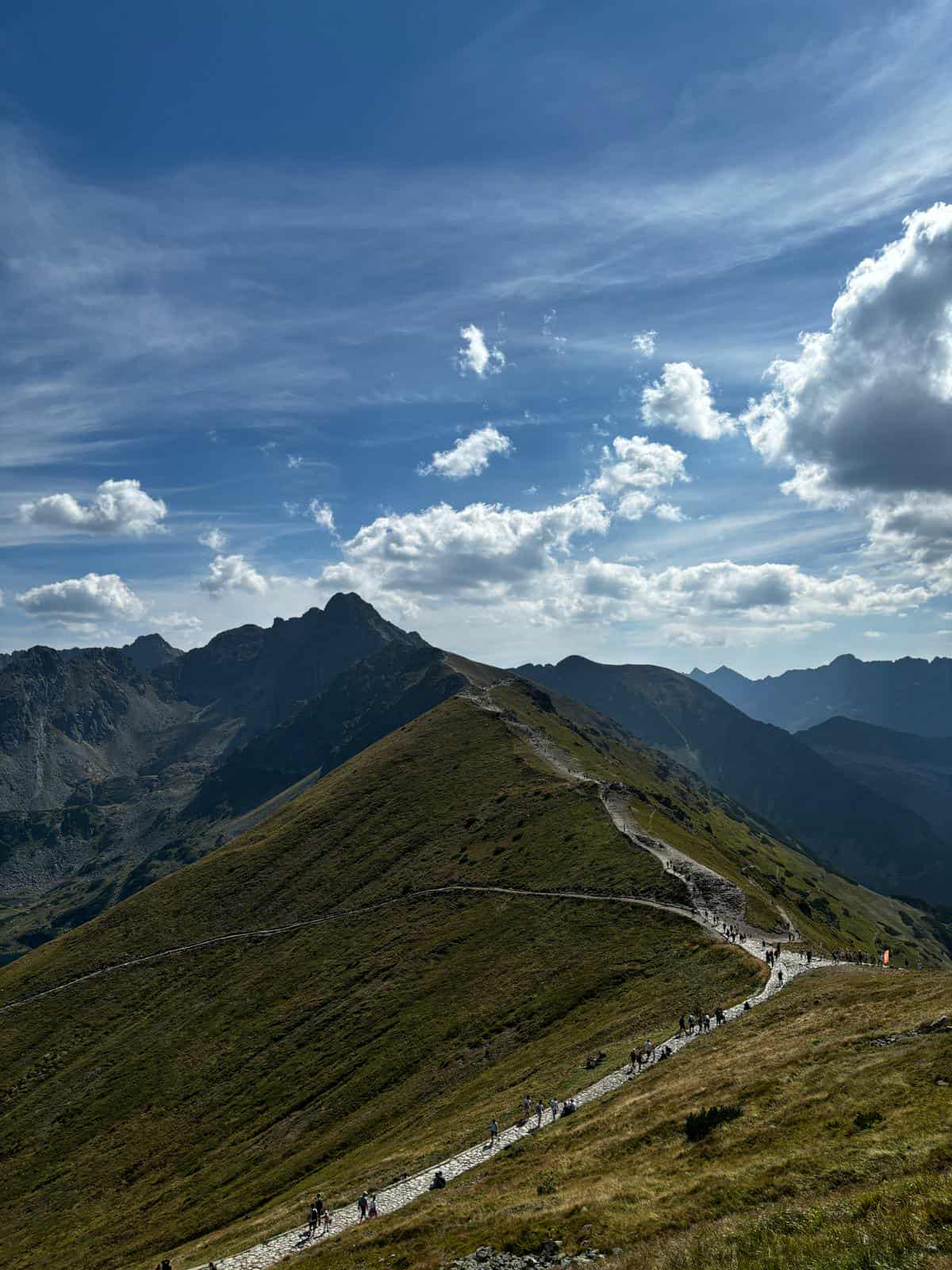
The Tatras rise like a monumental wall along the border between Poland and Slovakia. Formed during the Alpine orogeny some 50 million years ago, they are part of the Carpathian mountain range. Here stands Poland’s highest peak, Rysy, at 2,499 metres above sea level – a place where the clouds feel close enough to touch.
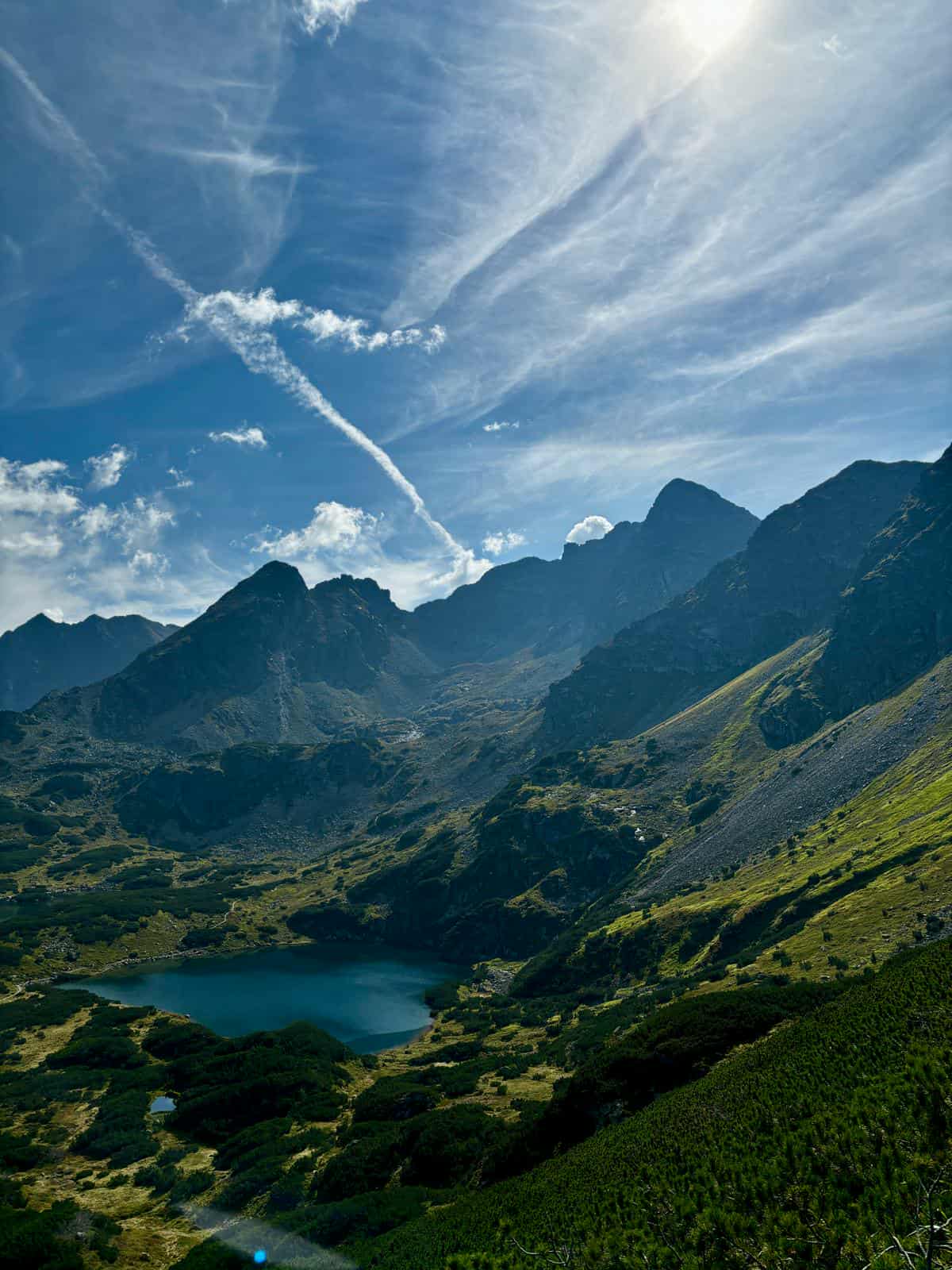
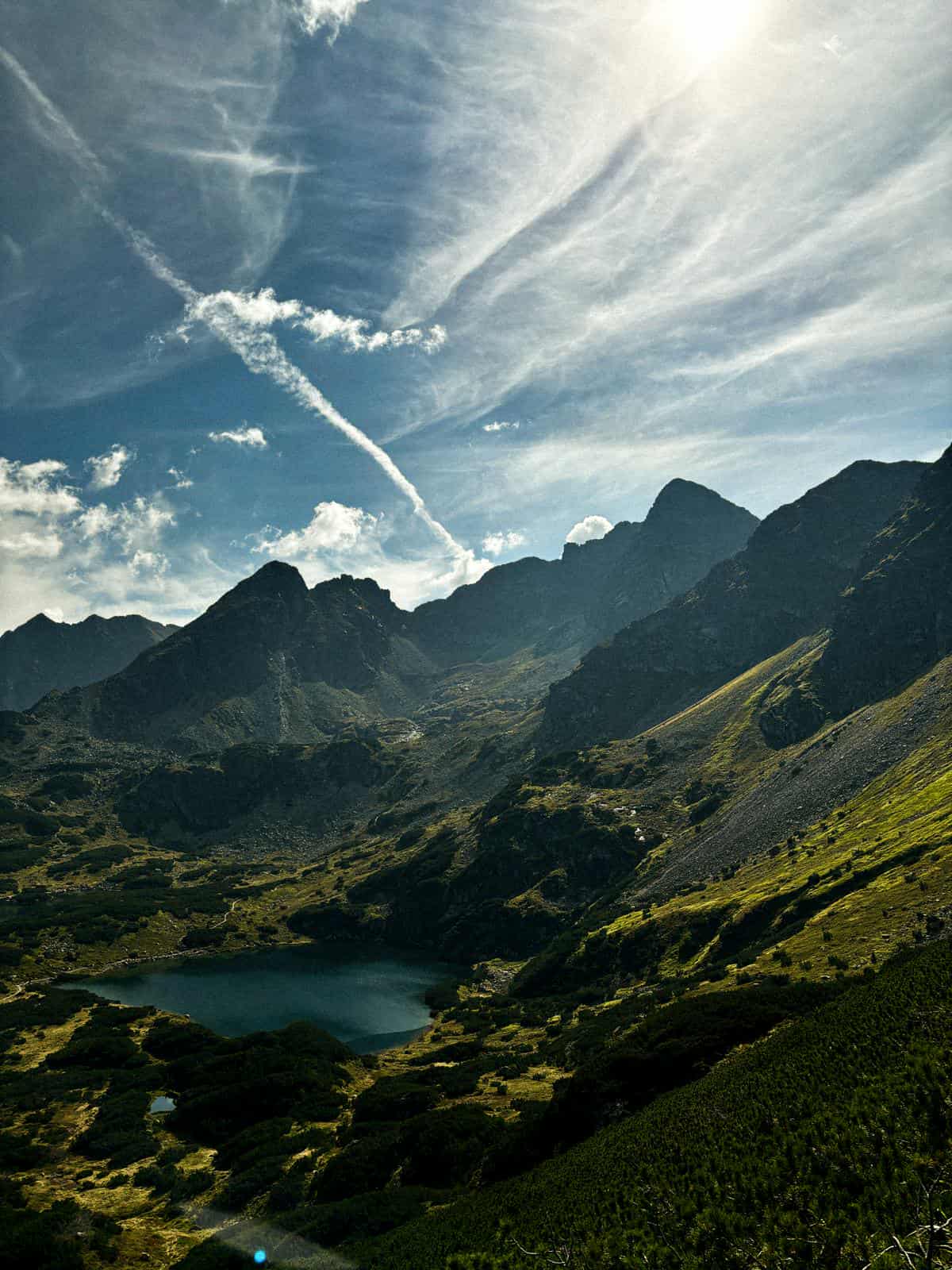
The landscape is dramatic and ever-changing: deep valleys, sheer cliffs, rushing streams, and mirror-like lakes reflecting the sky. Among the most beloved is Morskie Oko (the “Eye of the Sea”), a glacial lake surrounded by towering peaks and often called the jewel of the Tatras. Legend says the lake is secretly connected to the sea, and that its waters sometimes move as if they were breathing. Higher still lies the Valley of Five Lakes – a world of silence and stillness, where only wind and water can be heard. It is said that those who pause here in silence may hear the heartbeat of the mountains.
The Tatras are not only nature – they are also a realm of legend.
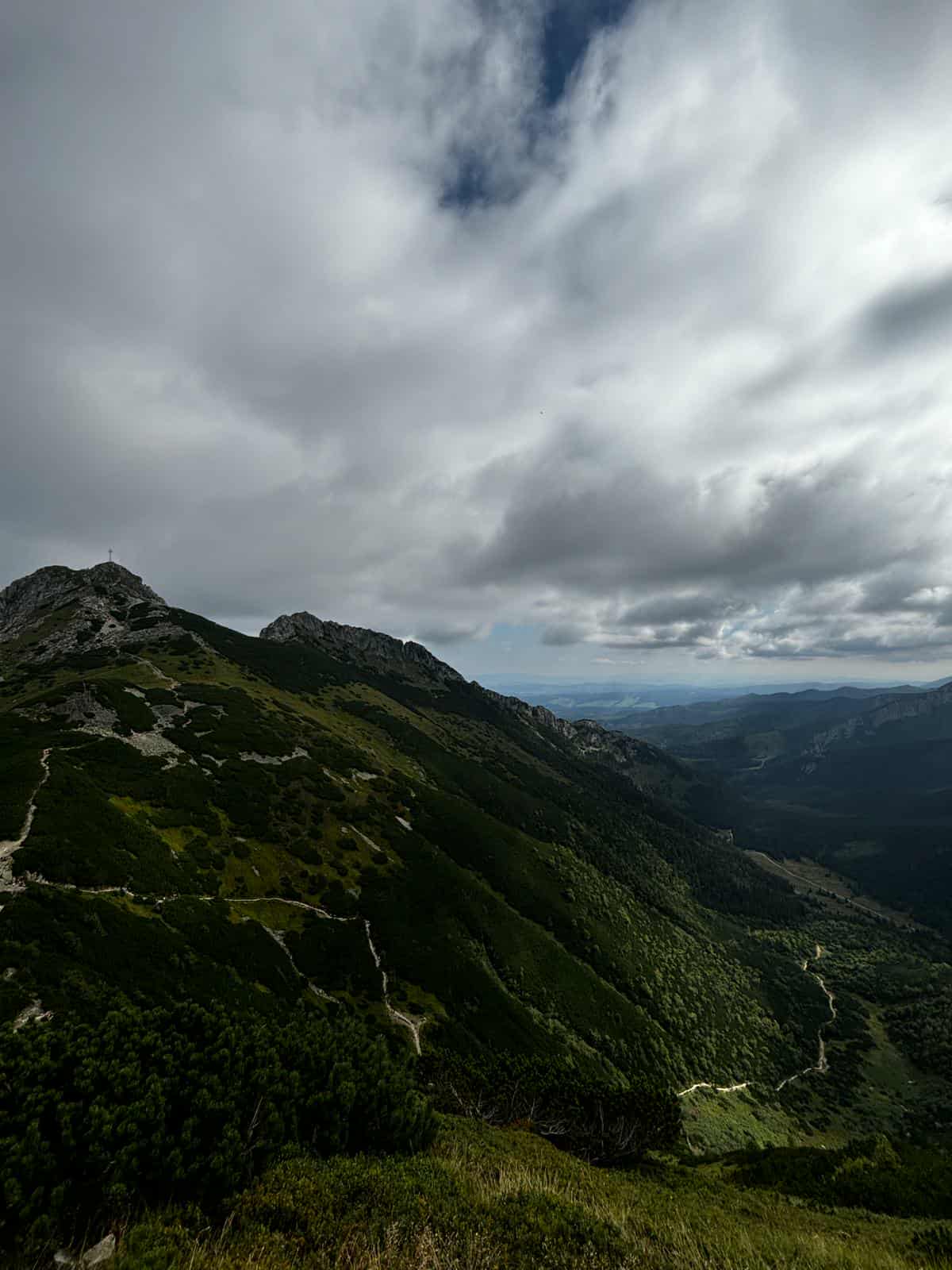
One of the most famous tales speaks of sleeping knights hidden deep within Mount Giewont. One day, the story goes, they will awaken to defend Poland in its greatest hour of need. When one sees the mountain’s reclining silhouette against the sky, it becomes clear why people believed the mountains sleep, yet always remain watchful.
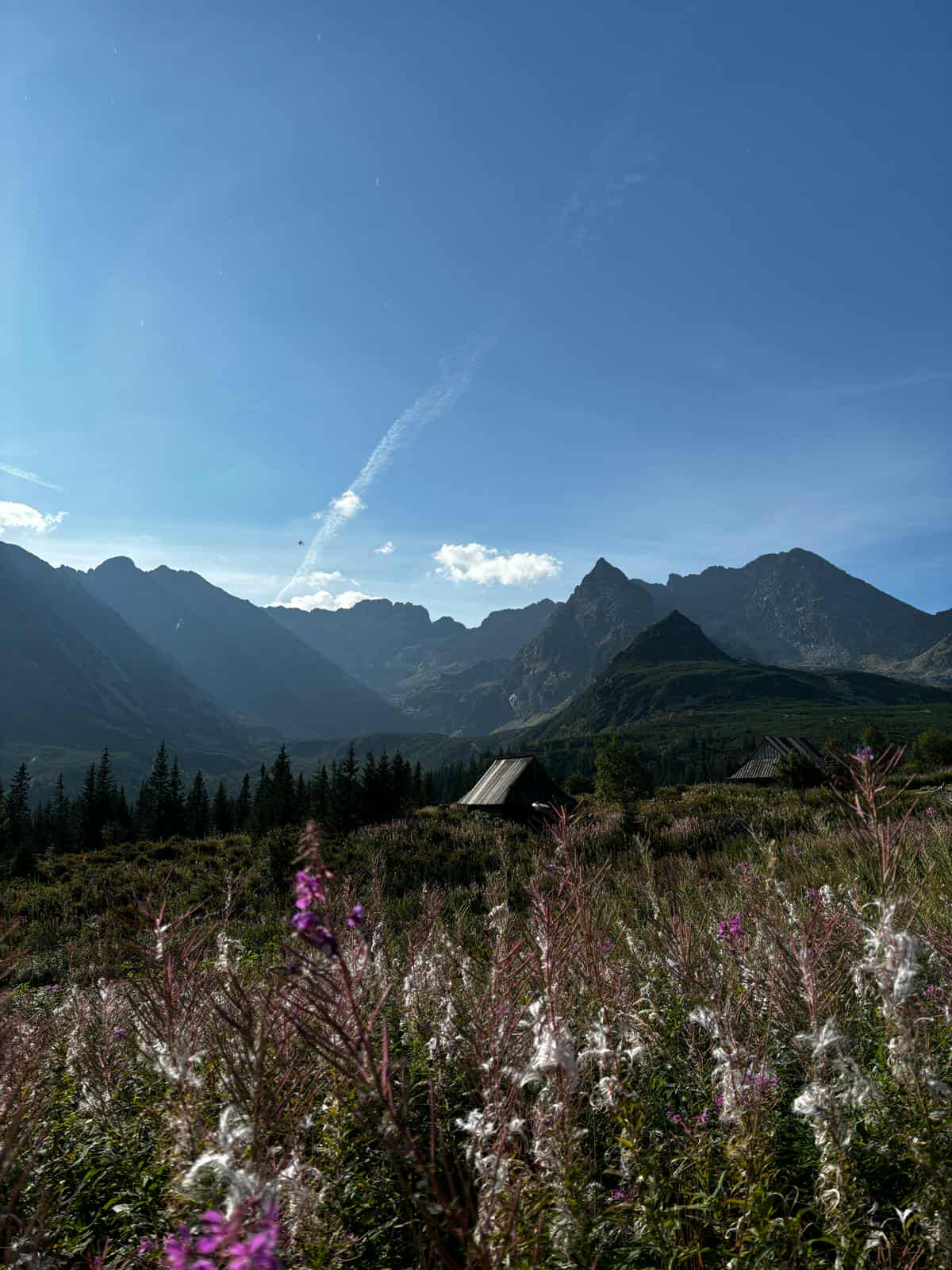
The valleys around Zakopane – such as Kościeliska and Chochołowska – are filled with traces of shepherds, artists, and wanderers. Paths lead through forests and meadows to viewpoints that take one’s breath away. Here, the grandeur of nature blends with human presence: wooden chapels, roadside crosses, and the sound of sheep bells echoing from the past.
To walk in the Tatras is to follow a living route of memory – a reminder of the Earth’s power and of human humility in the face of it.
Zakopane Today – Between Tradition and Modernity
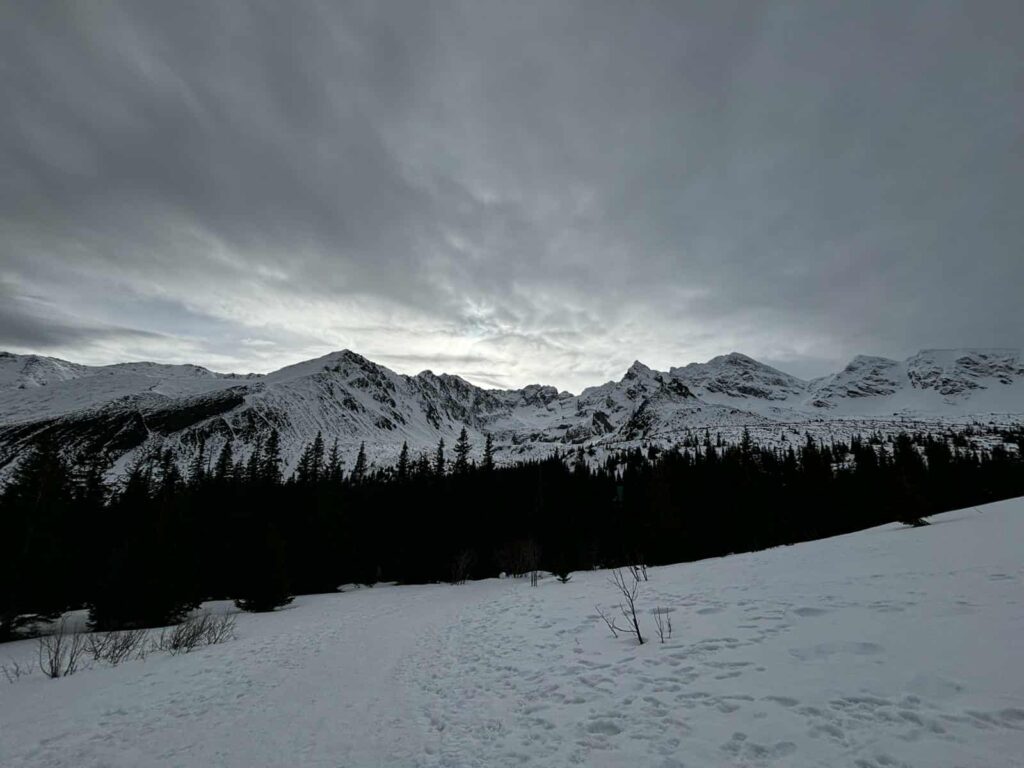
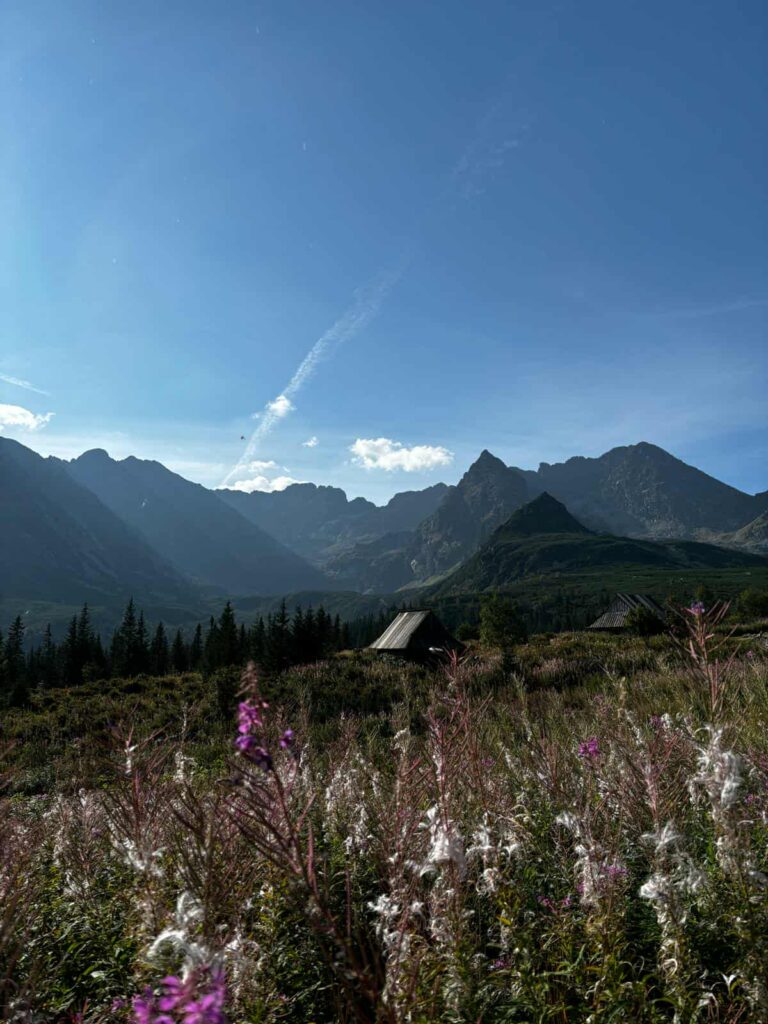
Today, Zakopane is best known as Poland’s winter capital. Each winter, thousands come to ski, walk through snowy valleys, and watch ski-jumping competitions at Wielka Krokiew. Yet the town is just as alive in summer, when alpine meadows bloom, sheep graze, and music fills the air.
Despite mass tourism, Zakopane has retained its soul – though it is not always immediately visible. The town asks to be discovered. Behind souvenir stalls, lights, and noise lies another world: the older town of wood, silence, and art, where nature and humanity still speak the same language. The old and the new coexist, and every corner carries traces of the artistic spark that once drew creators to these mountains. It is still there in the wood, in the song; the spark of the artists, poets, and people who once sought meaning in the mountains. But to feel it, one must dare to stop, listen, and look deeper. For sometimes kitsch and commercialism obscure the true beauty – but it is there, hidden beneath the surface.
”I will return to the mountains,
to the wind that speaks with stone,
to the freedom that dwells in snow.”
(adapted from Kasprowicz)
Zakopane was born from a deep human need to create and to be free – needs as timeless as the mountains themselves. It is not merely a place on the map. It is a story of Poland – and of humanity’s enduring longing for light above the clouds.