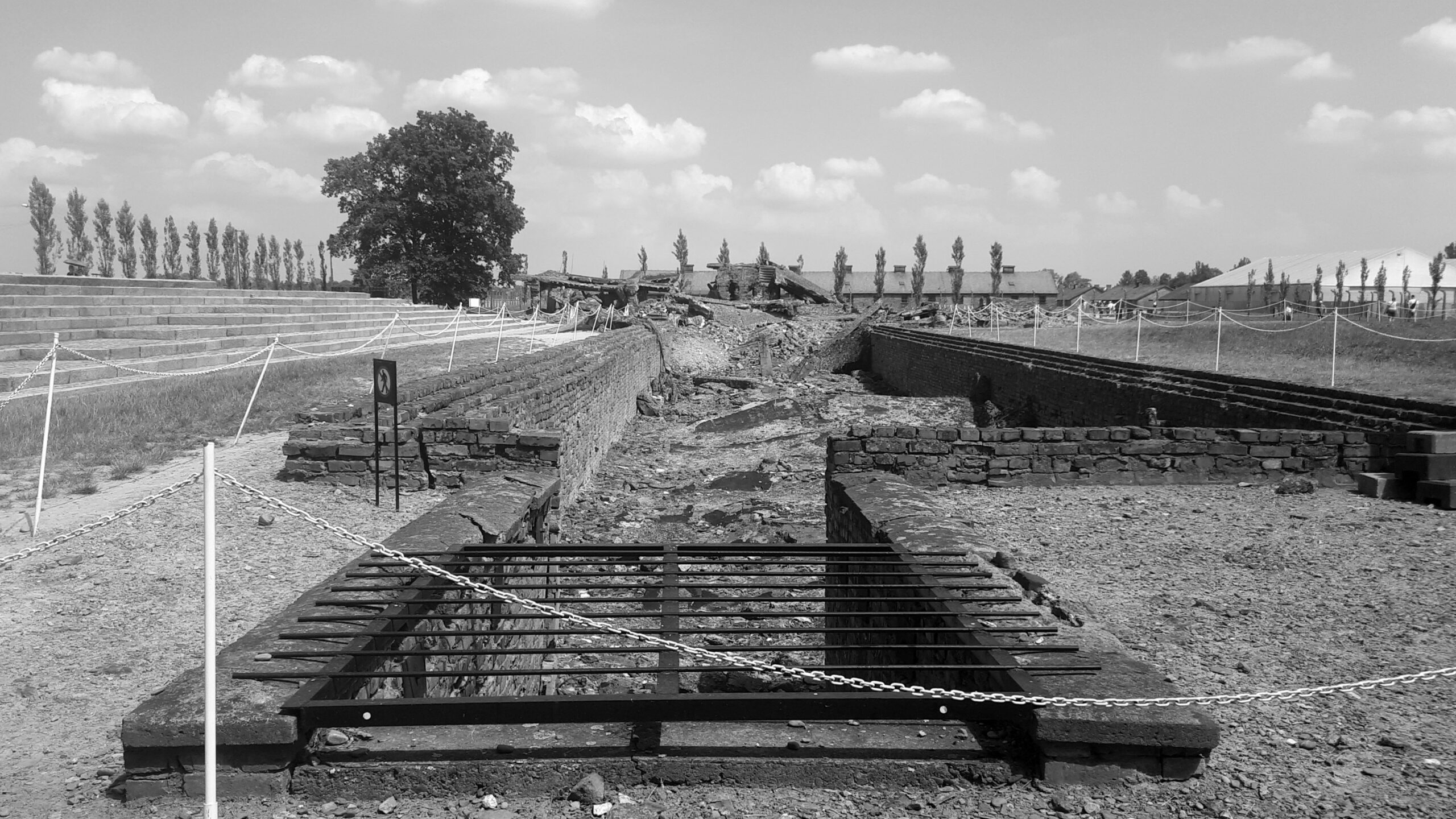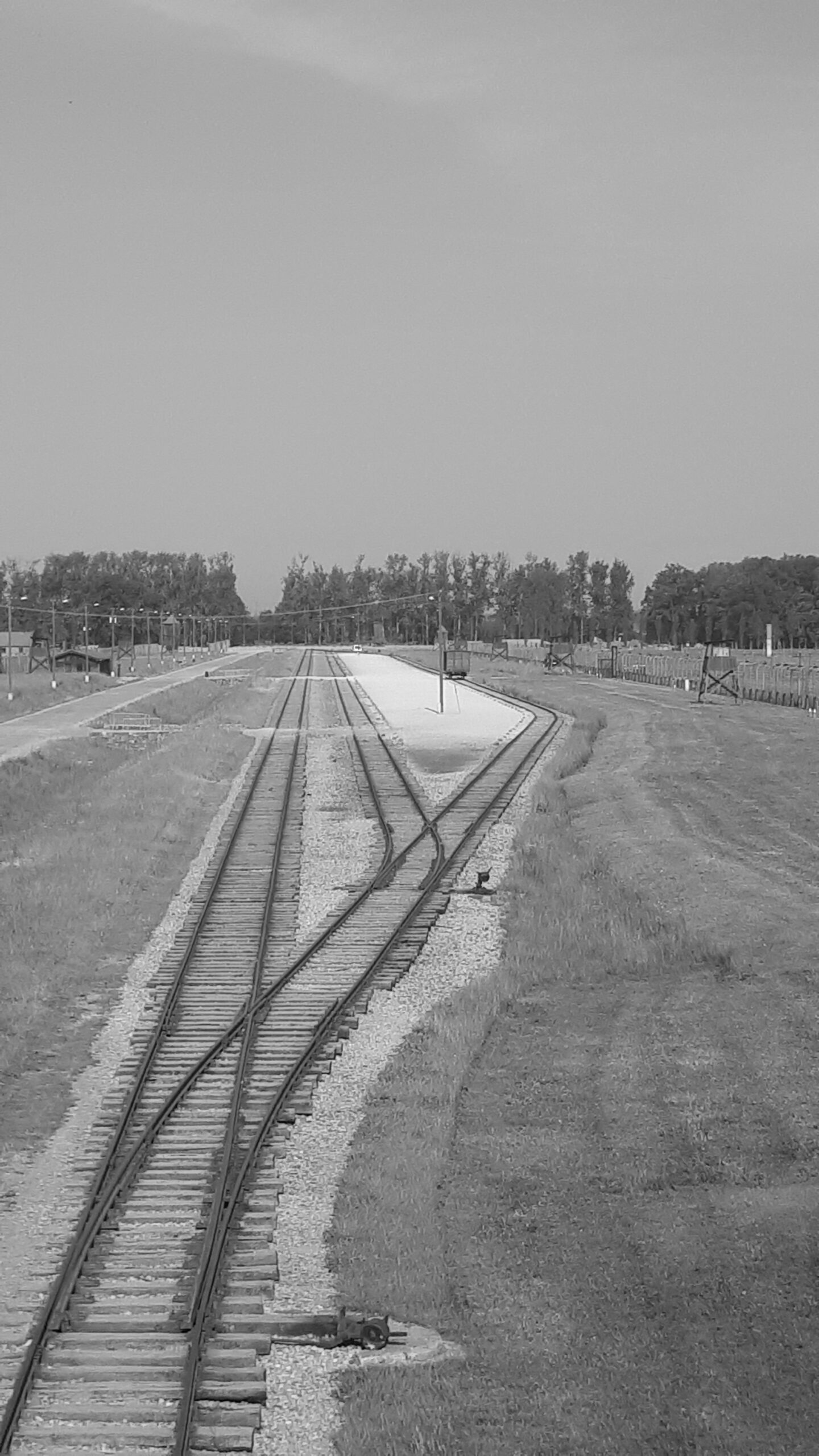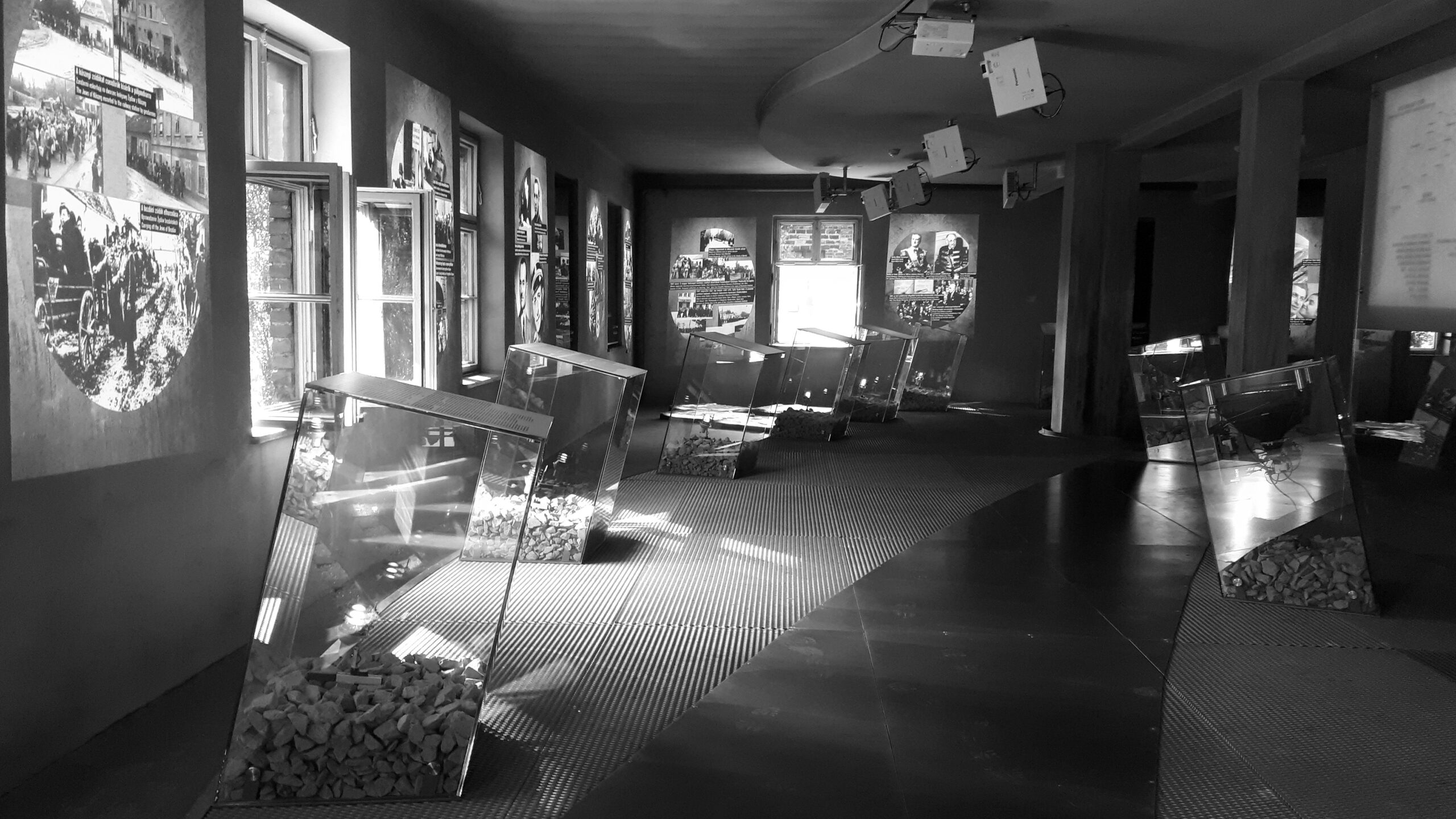

Study Trips to Auschwitz-Birkenau for Groups
For larger groups, we offer several guided study visit formats to Auschwitz-Birkenau. Whether you are a school group, a parish or confirmation group, a company, or another type of institution, we tailor each visit to the age, background, and expectations of the participants. Our goal is to ensure that the historical narrative is both accessible and meaningful for every group.

Pricing Policy
We no longer operate with fixed prices. Each programme is priced individually, based on the size of the group and its available budget. Groups are invited to share their budget framework with us, and we design a programme that fits within those parameters. Pricing is calculated per participant and depends on the number of attendees. Please contact us with an enquiry, and we will respond promptly.
We specialise in organising study trips focused on the Second World War and its relevance today. In addition to the visit to Auschwitz-Birkenau itself, we can arrange complete travel packages that include:
- transport
- accommodation
- restaurant bookings
- sightseeing tours
- museum admissions
- guided tours in Swedish
In short: everything needed for a well-structured and meaningful educational journey.
Guiding Options at Auschwitz-Birkenau
We offer three main formats of guided visits:
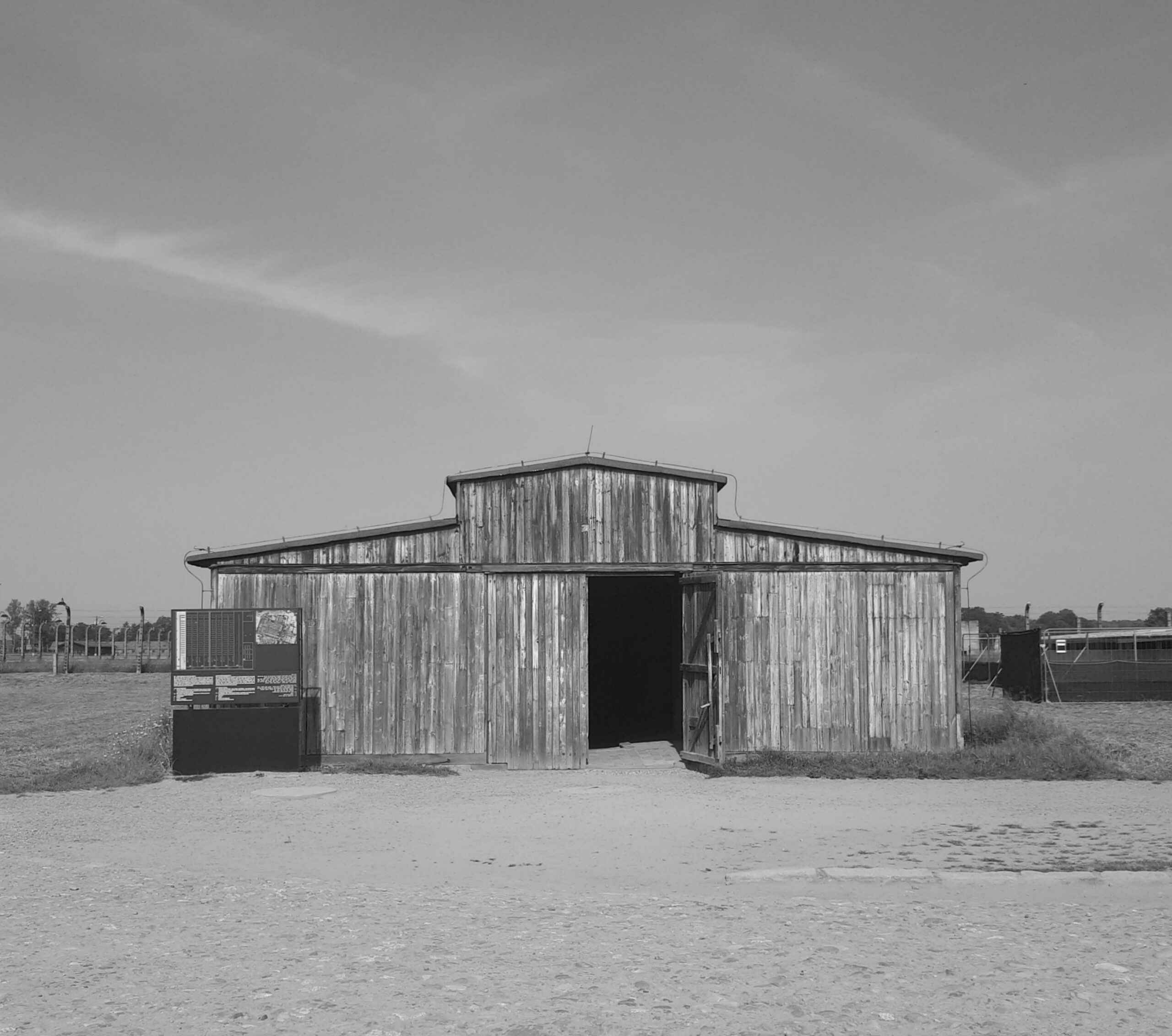
- Standard guided visit (approx. 3.5 hours) – about 2 hours in Auschwitz I, a 30-minute break, and approximately 1 hour in Birkenau
- Extended guided visit (approx. 6 hours) – about 2.5 hours in Auschwitz I, a longer break (with the possibility of lunch), and about 2.5 hours in Birkenau
- Two-day study visit – approximately 4 hours in Auschwitz I on the first day and 4 hours in Birkenau on the second day
Specialist Lectures and Workshops
We also collaborate with the Education Department of the Auschwitz-Birkenau State Museum, which offers in-depth thematic lectures, presentations, and workshops led by specialists.
Available lectures include:
- Operation Reinhardt: The Extermination of Jews in the General Government
- Medical Experiments in KL Auschwitz
- The Origins of KL Auschwitz as a Site of Extermination of European Jews
- Auschwitz and the Holocaust Paradigm in the Context of 20th-Century Genocide
- The Extermination of Hungarian Jews in KL Auschwitz
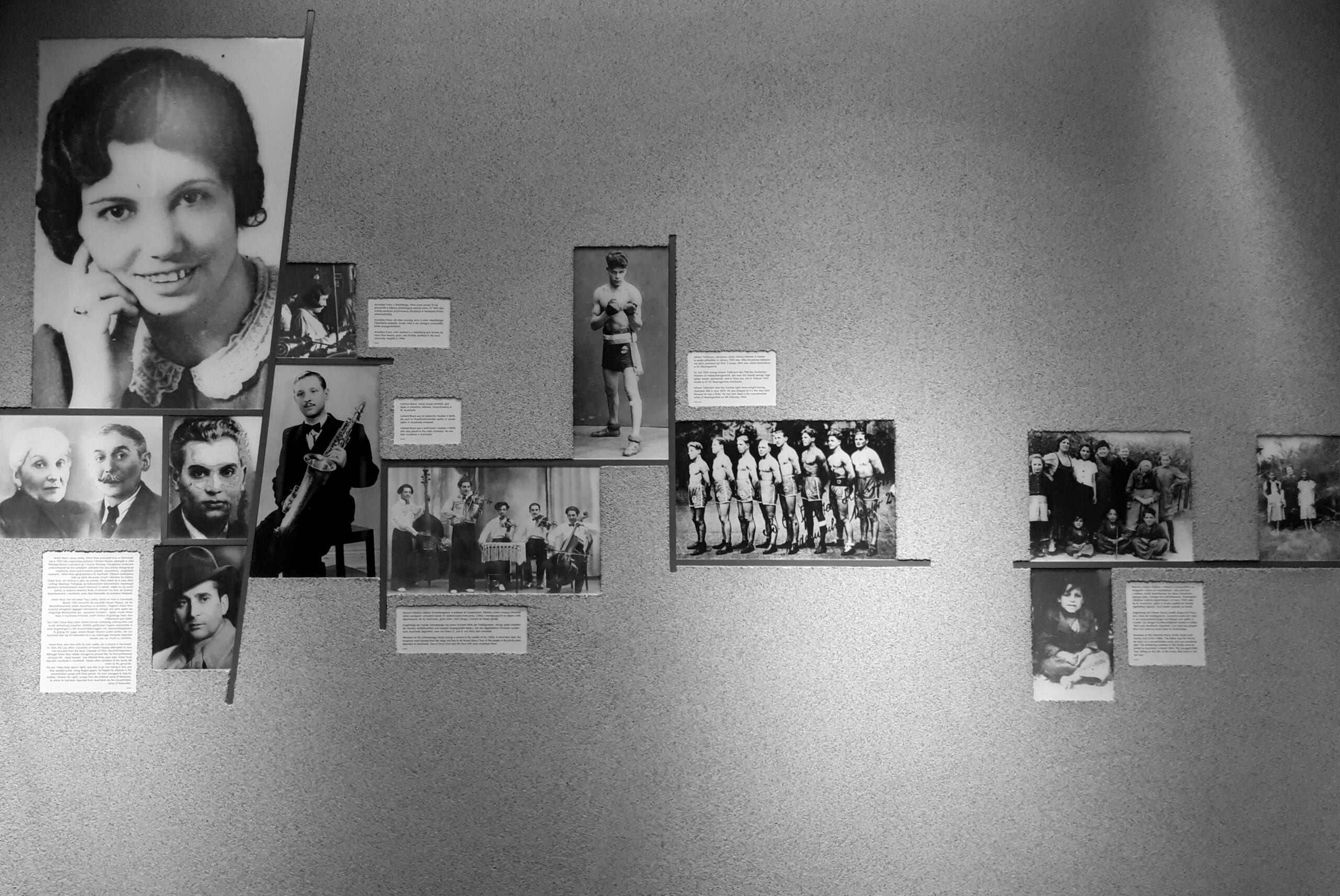
- The Extermination of European Roma
- Media and Symbolism at Auschwitz
- Preserving for the Future: Conservation Challenges at the Memorial Site
Workshop topics include:
- History Recorded in Objects: Reconstructing the Fate of the Deported and Murdered through Personal Belongings
- The Fate of Children in Auschwitz
- The Fate of Women in Auschwitz
- The Individual Confronting Camp Reality: Prisoner Attitudes and Survival Strategies
- Trauma: Life after the Camps
- They Survived to Live: The World after Auschwitz
- “Do Not Be Indifferent!” – Messages from Auschwitz Survivors
- The Extermination of European Sinti and Roma – Workshop at the Roma Exhibition
- Archival workshops based on survivor testimonies, photographs, and historical documents
Multimedia Presentations
- Preserving for the Future: Conservation Challenges at the Memorial Site
- The Role and Meaning of Art in KL Auschwitz
- “Auschwitz Did Not Fall from the Sky” – Historical and Political Context of Nazi Racial Policy
Beyond Auschwitz – Oświęcim and Jewish Heritage
In addition to the camp sites, we also organise visits to locations in the town of Oświęcim connected to Jewish history and martyrdom, including:
- the synagogue,
- the Jewish cemetery,
- the Oshpitzin Jewish Museum.
These visits aim to present Oświęcim not only through the prism of the camp, but also as a typical small Galician town where Jews were once an integral part of local society. They offer insight into Jewish life in smaller Polish towns before the Second World War, while also supporting the preservation of Jewish heritage and education against hatred and intolerance.
The Roma Genocide
When teaching about the Holocaust, the persecution and murder of Roma communities is an essential component. Like Jews, Roma were victims of Nazi racial ideology, though on a smaller numerical scale. We therefore also organise visits related to Roma history and martyrdom, including:
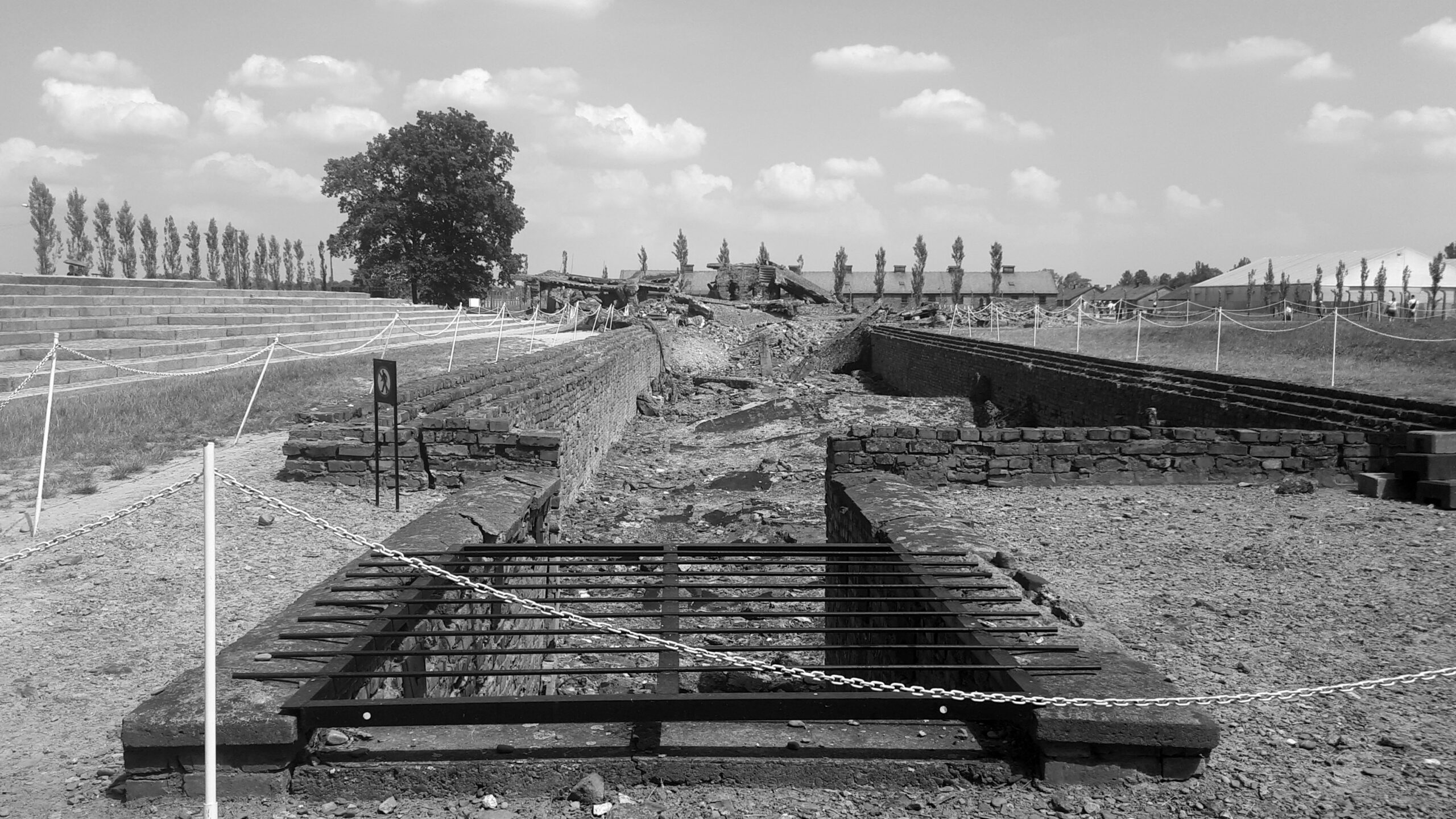
- the Roma section of the Birkenau camp,
- the Roma Museum and Roma Cultural Centre in Oświęcim.
In response to growing interest in minority cultures, human rights, tolerance, and anti-discrimination efforts, Roma organisations have developed exhibitions such as “Cross-Cultural Encounters: Roma Then and Now” and the permanent exhibition “Roma – History and Culture.” These exhibitions highlight the changing fate of Roma communities and draw attention to their long journey and interactions with other peoples.
A Fair and Accessible Approach to Pricing
Finally, we would like to return to the question of pricing. As mentioned, prices are set individually for each group and depend on several factors, including inflation and currency fluctuations. We have therefore adopted a flexible model: groups share their available budget, and we design a programme that fits within it.
We do not want financial considerations to prevent anyone from visiting Auschwitz and engaging with this living local history, which still has so much to say to the world today. We invite you to contact us to discuss the details.
Visit Auschwitz with us — an experienced and reliable organizer of educational travels.