
KL Plaszow – A Place After, A Place Without
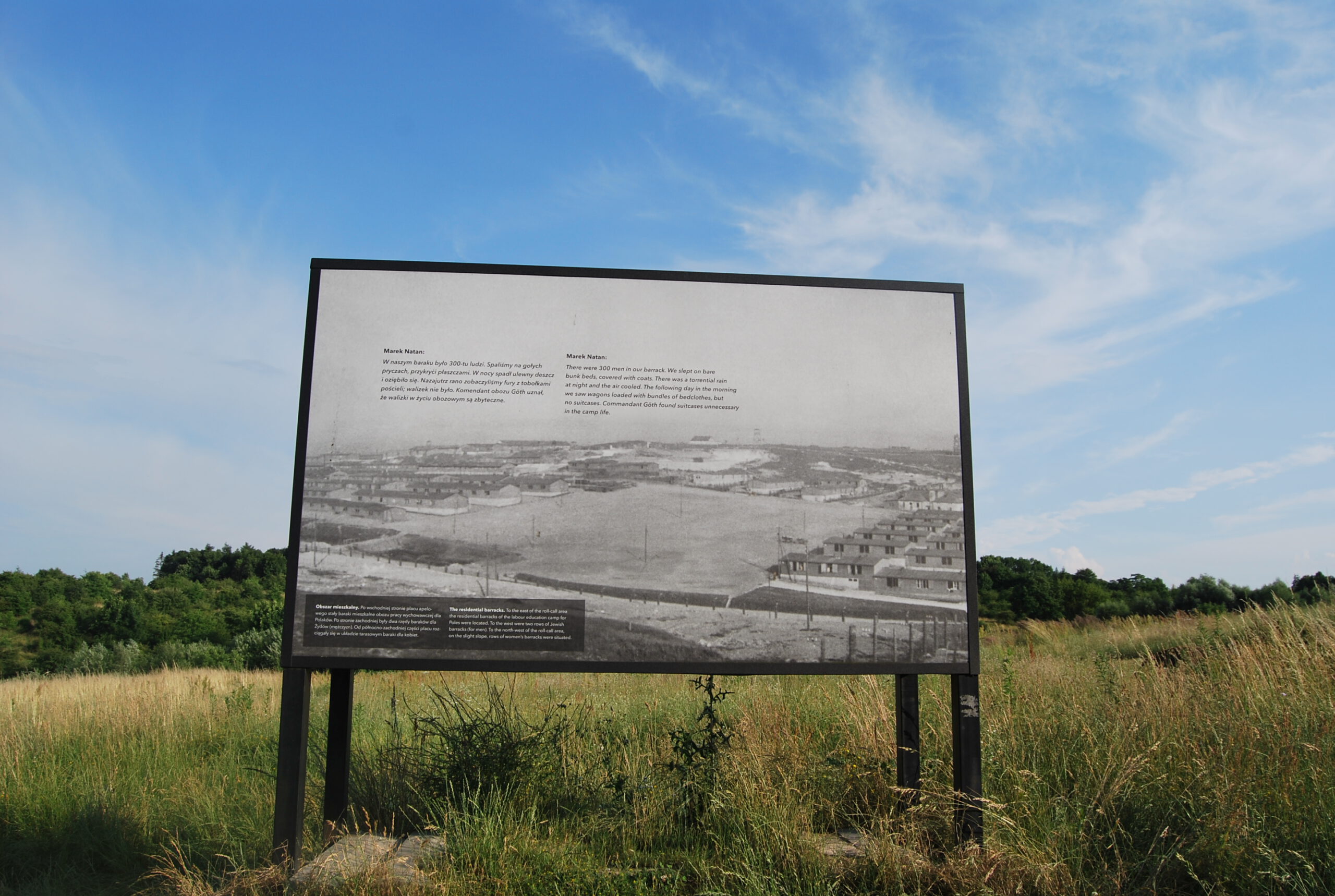
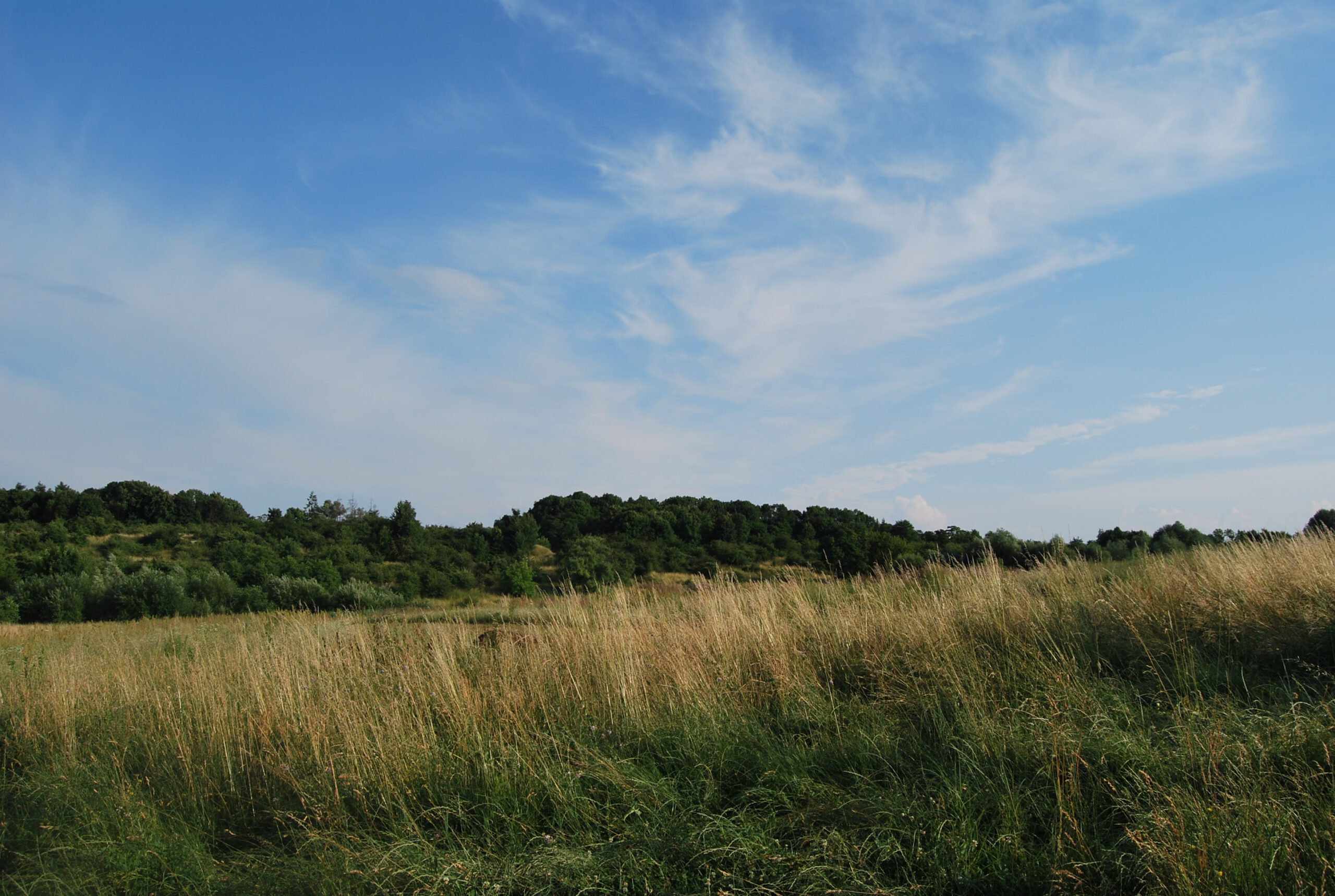
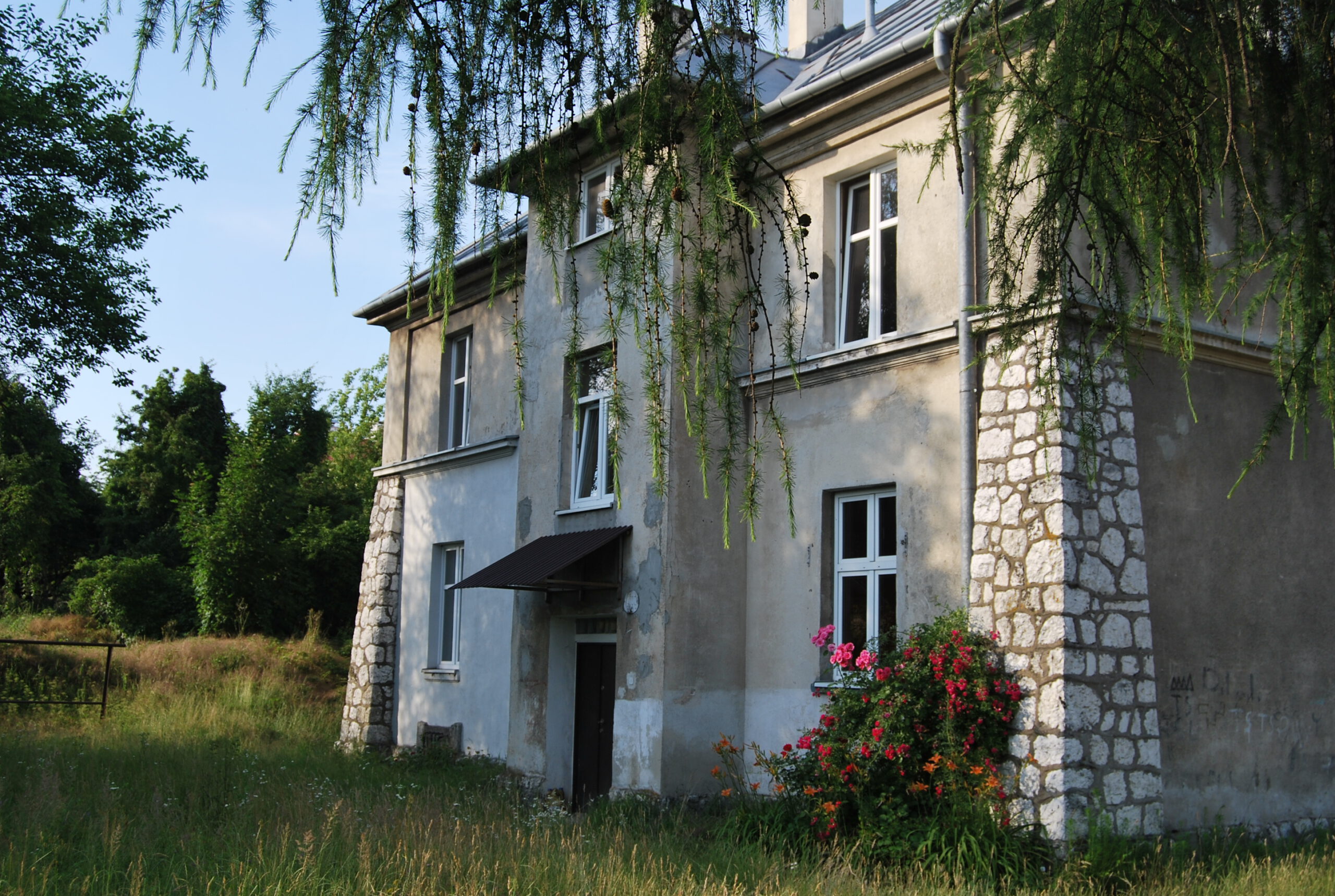
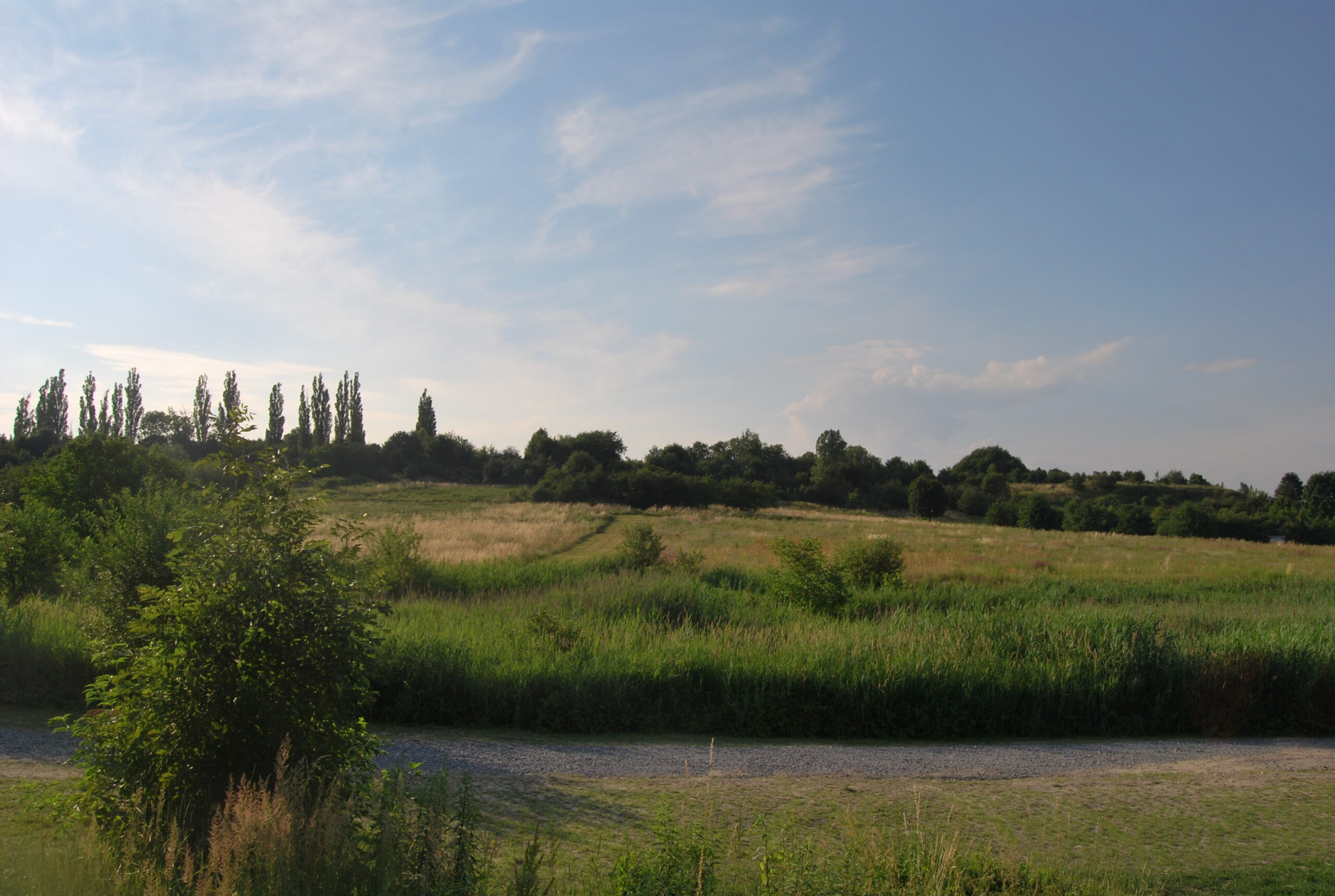
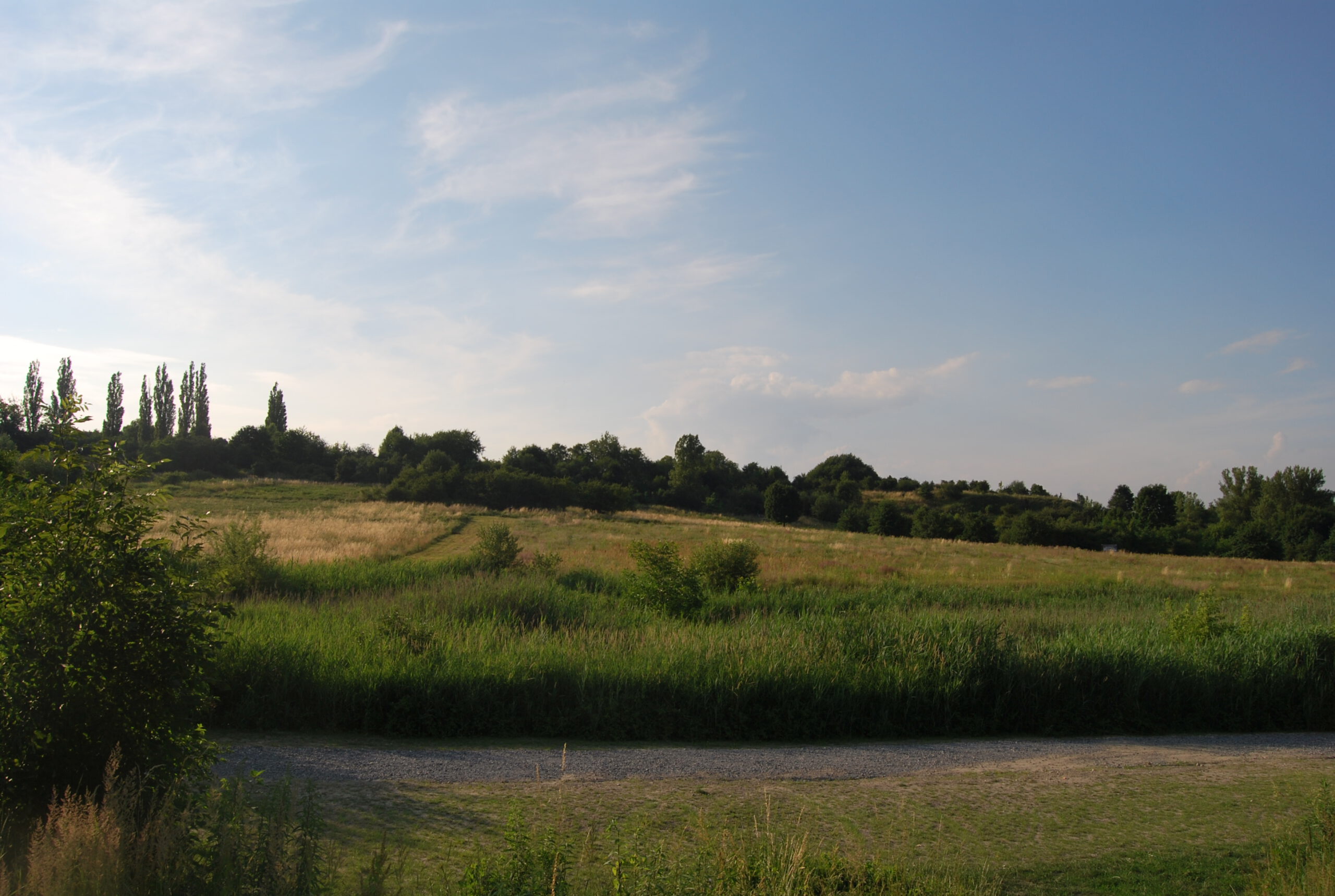
On the outskirts of Cracow stretches an open, seemingly empty landscape. At first glance, there is little to see. Yet those who listen carefully will hear that this place still whispers. Here, among rolling hills and scattered trees, once stood the Nazi labour and concentration camp KL Plaszow. A camp without buildings left behind – but not without memory.
For the first time, we now offer guided tours in Swedish through this deeply moving memorial landscape – a place where real historical events are echoed in the film Schindler’s List, and where the fate of real people can still be felt in the ground beneath our feet.
A Place of Memory – and Memories of a Place
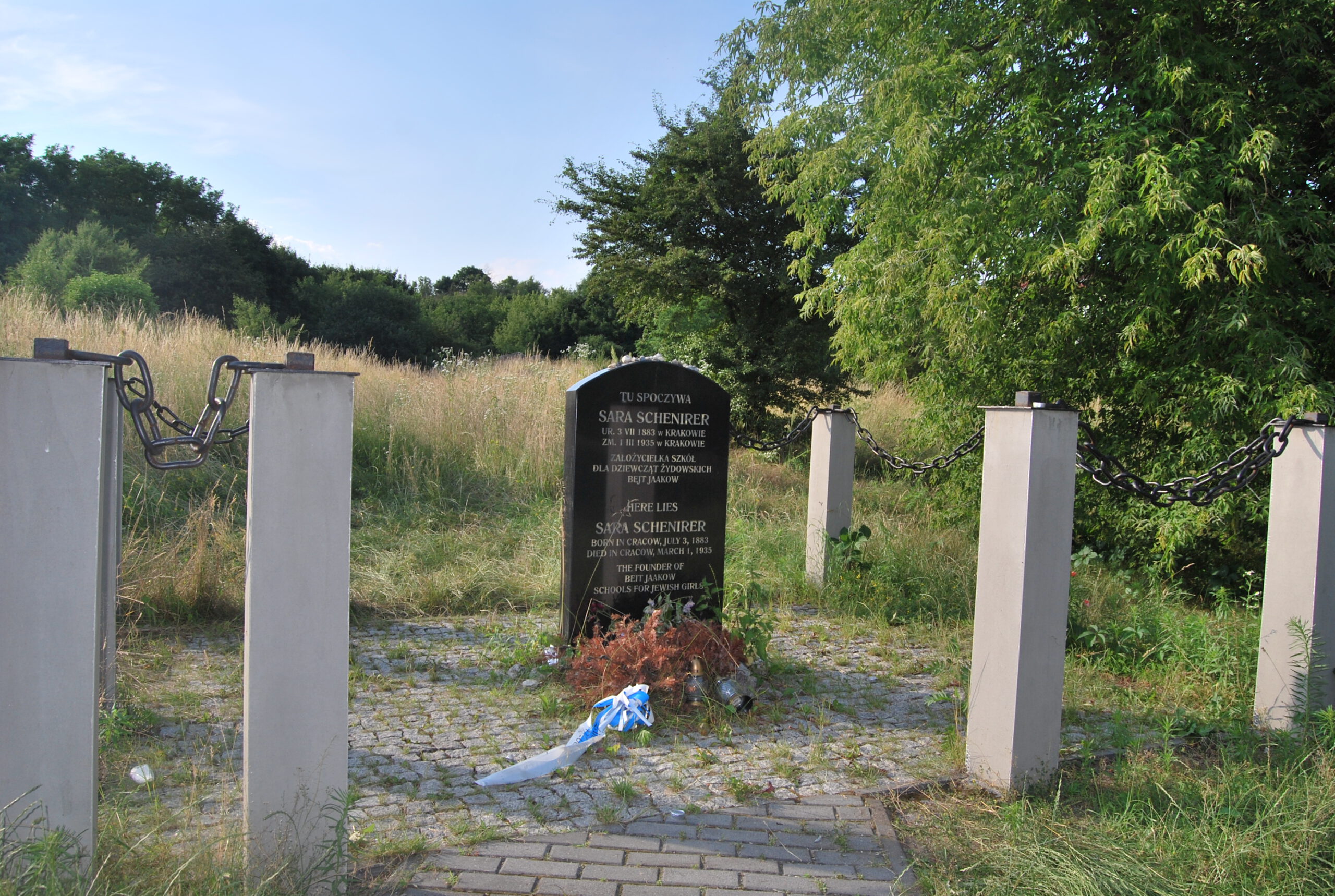
KL Plaszow began to take shape in the autumn of 1942, on land where two Jewish cemeteries had once stood. Tombstones were destroyed, the ground desecrated – a symbolic and deeply painful act that struck at the heart of Cracow’s Jewish community. Initially established as a labour camp for Jews, the site soon evolved into a Nazi concentration camp. Alongside Jews, Poles, Roma, Slovaks, and Hungarians were imprisoned here.
The camp was never liberated. On 14 January 1945, the guards abandoned Plaszow, forcing the remaining prisoners to march toward Auschwitz. Plaszow thus became an extension of the liquidated Cracow Ghetto – a camp where many families and children were held. One of its darkest moments was the so-called “health inspection,” during which 1,200 people, including 300 children, were selected and sent to their deaths in Auschwitz.
A Place of Labour – and of Execution
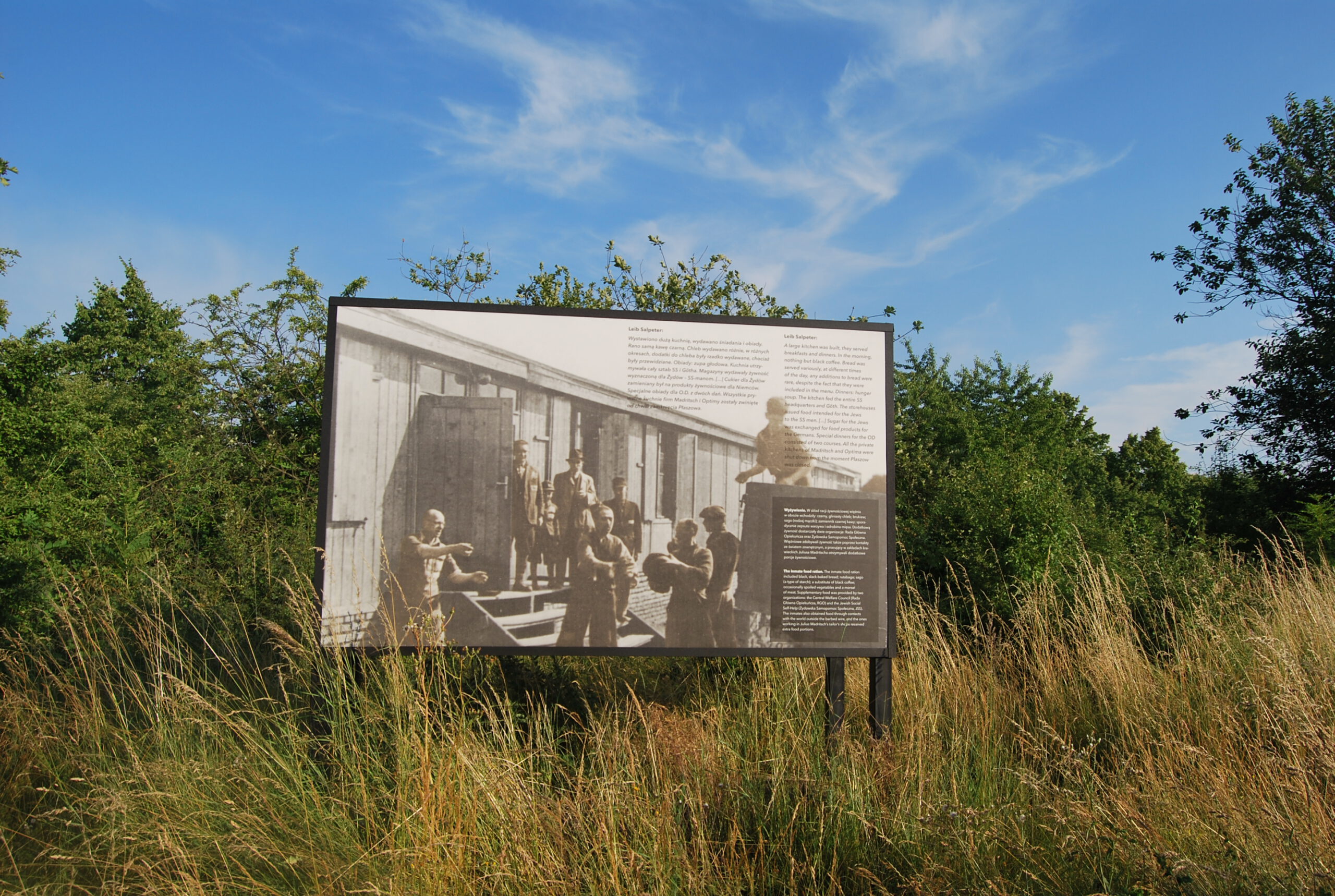
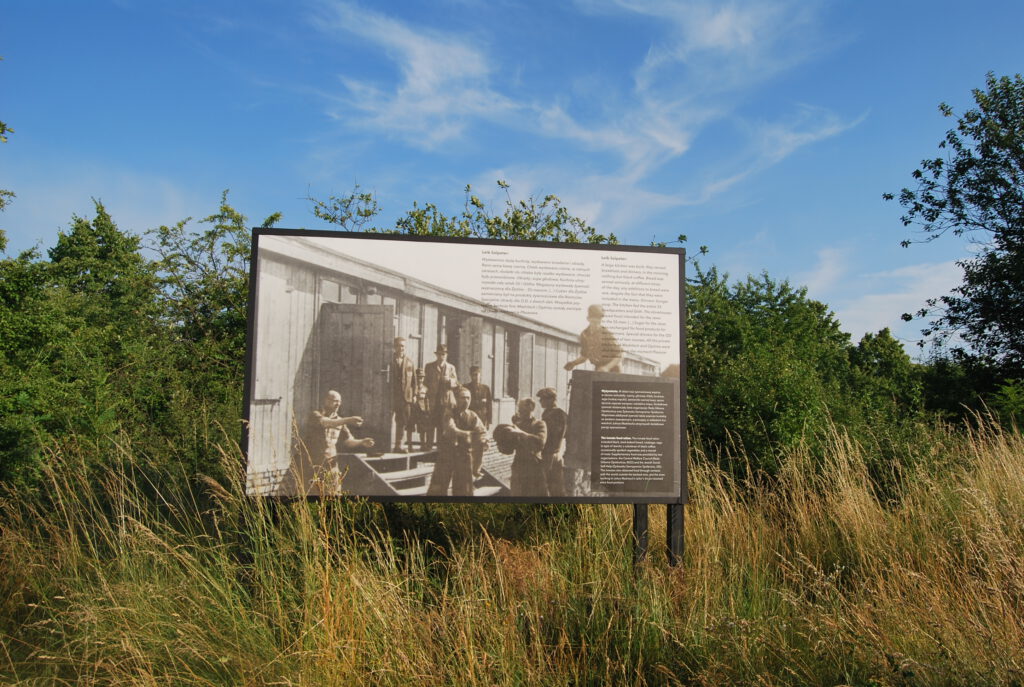
KL Plaszow was a site of systematic forced labour. Large stone quarries operated here, where men and women were compelled to work under brutal conditions, often at the cost of their lives. Women were forced to haul heavy stone blocks – a stark symbol of total dehumanisation.
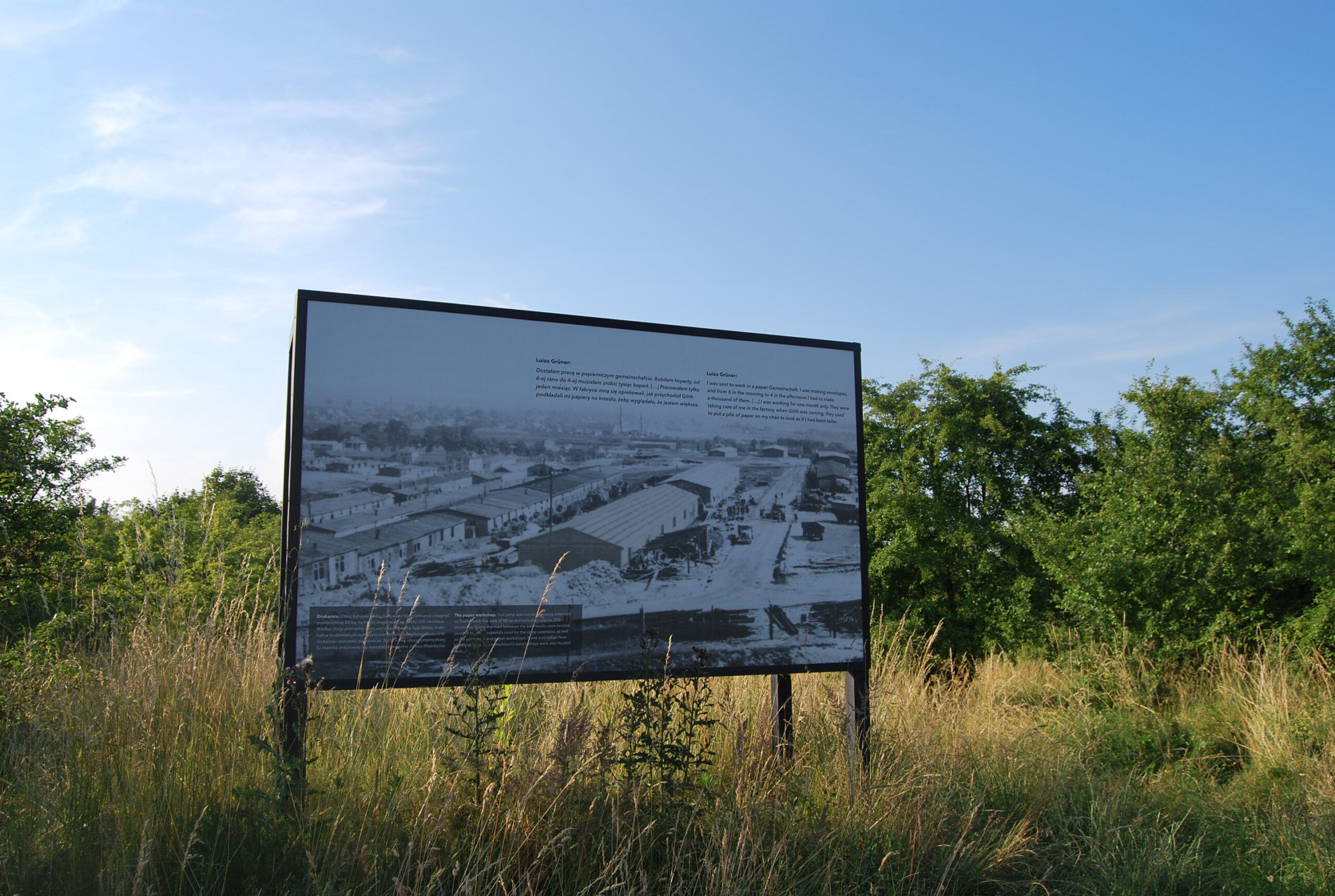
At the same time, the camp contained a wide range of workshops: tailoring shops, watchmakers’ workshops, paper and vehicle repair facilities – all serving the needs of the German war machine. There were also special warehouses where the Nazis stored property looted from Jewish families: clothing, valuables, and household items. These so-called “property depots” stand as tangible evidence of how plunder and murder went hand in hand.
Paradoxically, the camp also had an unusually well-organised medical facility – a small light in an otherwise pitch-black reality.
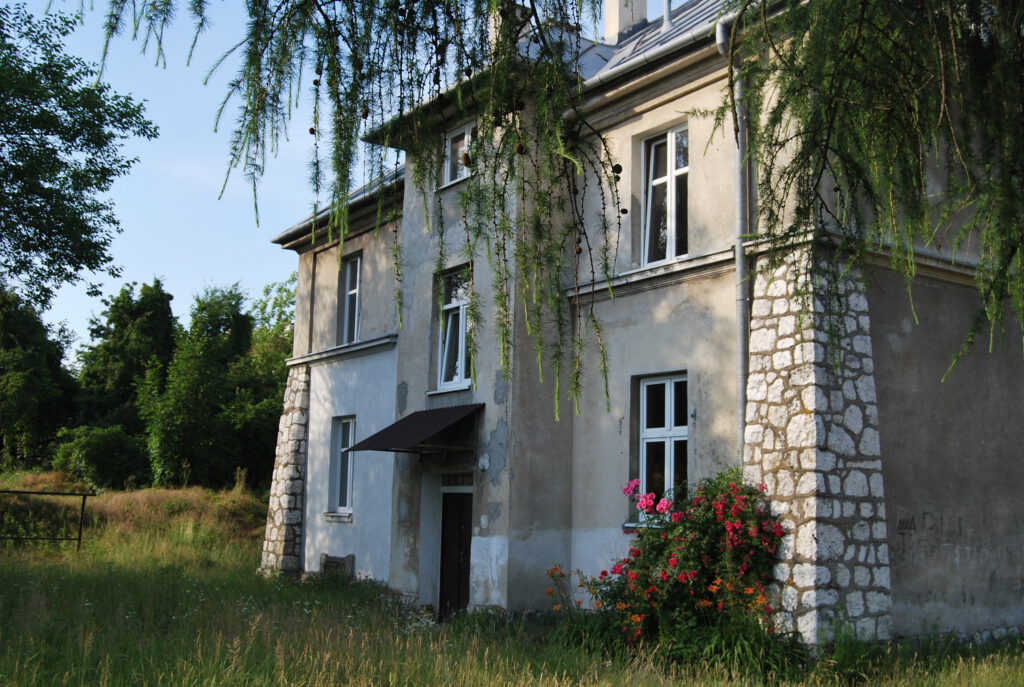
Yet the landscape also bears the marks of systematic killing.
Within the camp grounds, there are three known execution sites. Here, not only Jews from the ghetto and prisoners of the camp were murdered, but also Polish civilians arrested during round-ups in Cracow, as well as inmates transferred from city prisons.
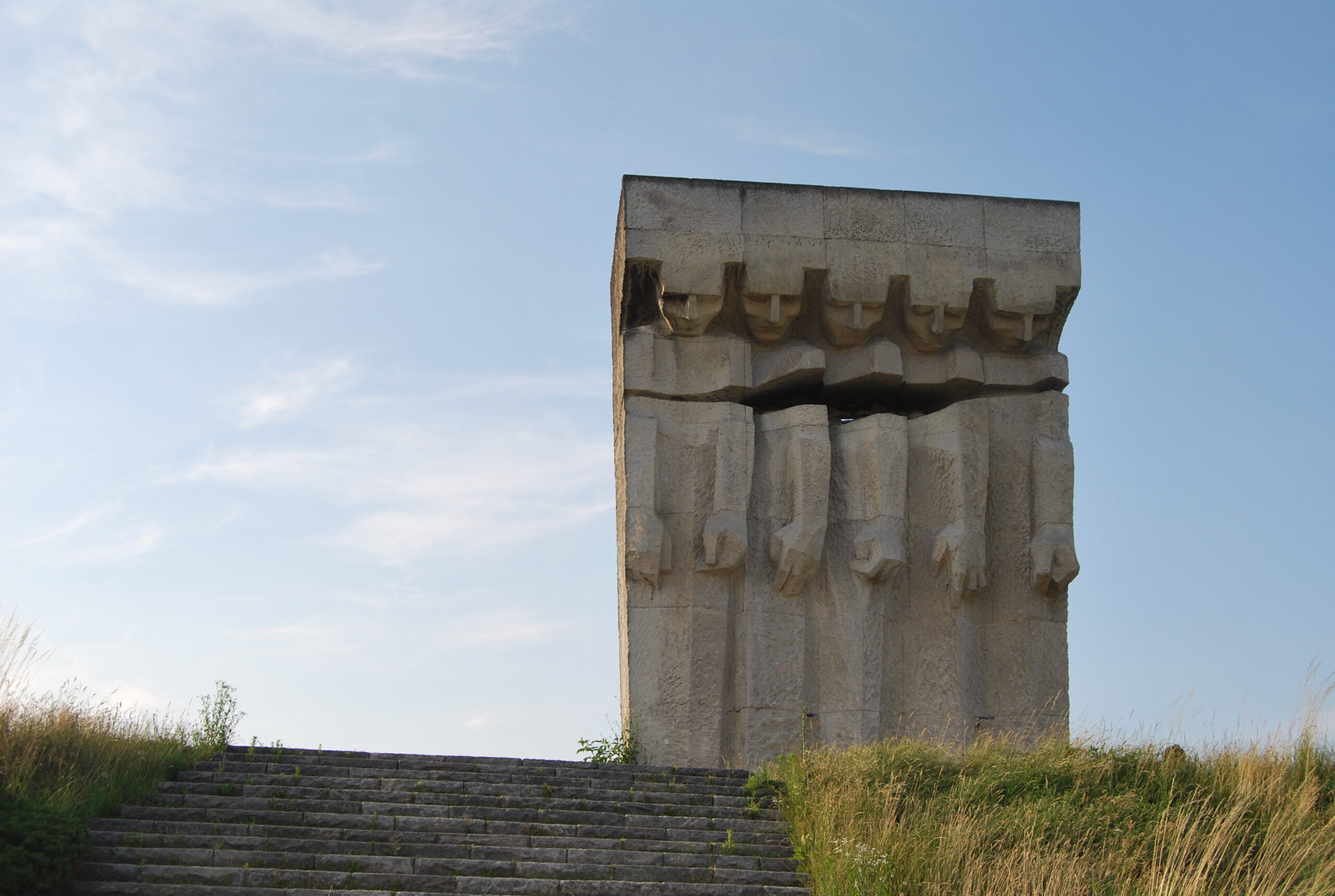
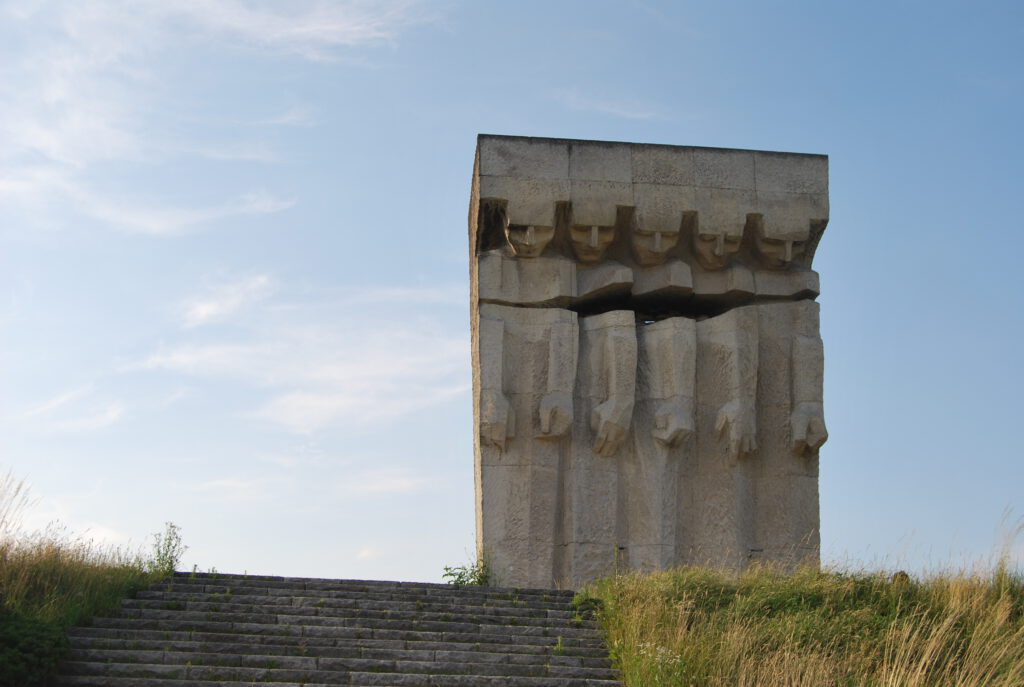
The largest mass executions often took place on symbolically charged dates – Polish national holidays and Christian feast days – underscoring the terror and humiliation inflicted upon the civilian population. Today, these sites are marked by memorial stones and monuments that quietly testify to what occurred, even as the surrounding landscape remains silent.
Amon Göth – The Face of Terror, Beyond the Film
The Nazi camp commandant Amon Göth, portrayed by Ralph Fiennes in Schindler’s List, was no cinematic monster – he was real. Göth embodied the most brutal face of the camp system. From his balcony, he shot prisoners as if they were animals; he robbed the victims and abused even his own subordinates.
Göth was responsible for the bloody liquidation of ghettos, including Cracow’s, and bore direct responsibility for mass murder in KL Plaszow. Arrested by the Nazis in 1944 for corruption, he was ultimately sentenced to death by a Polish court after the war for his crimes – and executed in Cracow in 1946.
Oskar Schindler – A Complex Rescuer Linked to Plaszow
Oskar Schindler, portrayed by Liam Neeson in the film, was initially a member of the Nazi Party and a businessman who profited from the war. Yet his attitude changed. He understood what was unfolding – and chose to act.
After the liquidation of the ghetto, Schindler’s enamel factory became a subcamp of KL Plaszow. There, he attempted to protect his Jewish workers from deportation and death. When Plaszow was to be evacuated, Schindler decided to relocate both his factory and his employees to Brünnlitz, a subcamp of Gross-Rosen. In doing so, he succeeded in saving the lives of approximately 1,200 people.
A Living Silence – Stories That Fill the Void
During our walk through what today appears to be a quiet and empty place, we fill the landscape with stories of real people – men, women, and children of flesh and blood.
Come and listen to those who can no longer speak for themselves. Listen to mothers and fathers, sons and daughters – people whom the camp once tore apart forever, yet who are bound together in memory.
We do not speak only about the site, but above all about the people. Through empathetic and respectful guiding, their stories are brought back to life. It is a deeply informative and emotionally powerful experience – a memorial walk that stays with you long after it ends.
Welcome to walk with us along the paths of memory – in a landscape where silence does not mean forgetting.