
Jewish Cracow – Between Kazimierz and the Ghetto
To walk through Jewish Cracow is to follow the traces of a world that shaped the city for more than five centuries. Here, between Kazimierz and Podgórze, the light of everyday life meets the shadow of history – faith, culture, and tragedy intertwined. It is a journey through the memory of a people, a city, and an identity that never truly disappeared, despite everything.
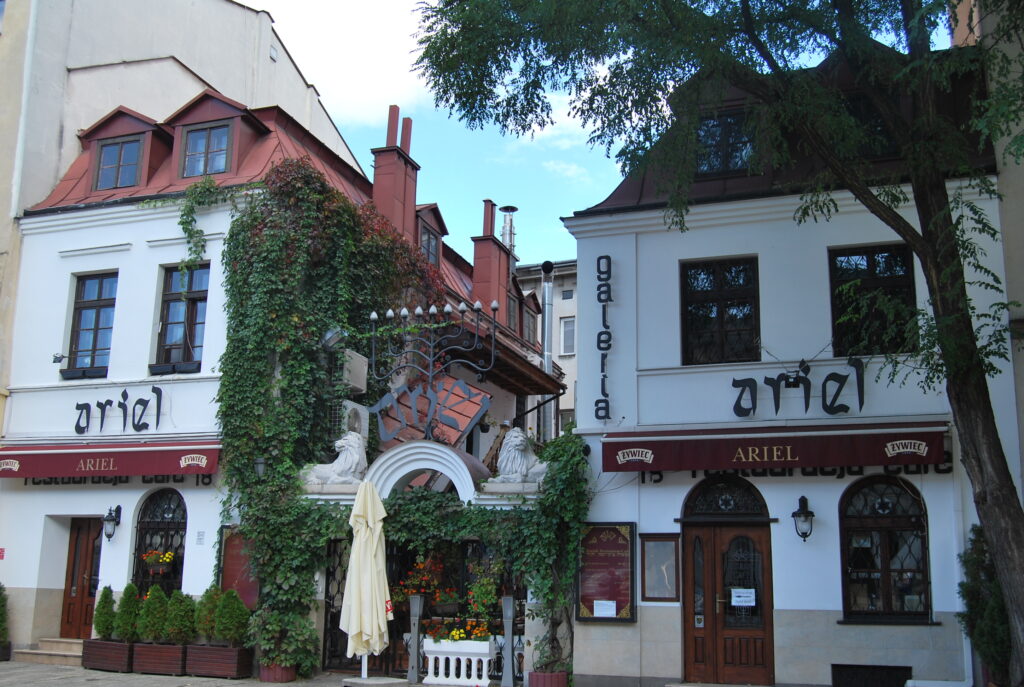
Kazimierz – Where Faith and Daily Life Met
Kazimierz was founded in the 14th century by King Casimir the Great. Originally an independent town, it had its own walls, market square, and churches. Its Christian heritage remains strong and visible to this day. At the same time, when Jews were being expelled from much of Western Europe, they found refuge here, protected by royal privileges. Over the centuries, one of Europe’s most vibrant Jewish centres grew in Kazimierz – a community shaped by trade, learning, and religious devotion. It was a world built on faith and knowledge.
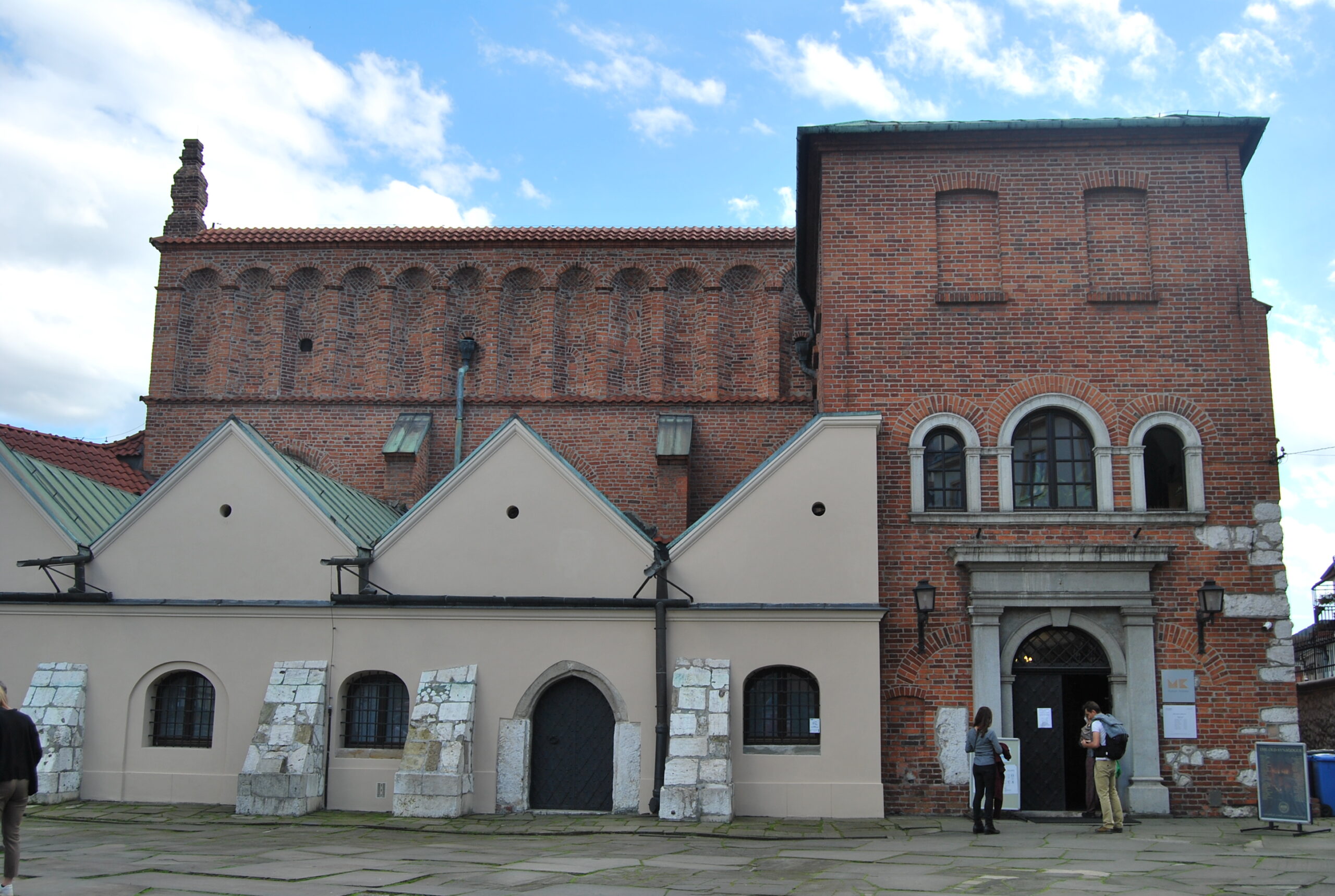
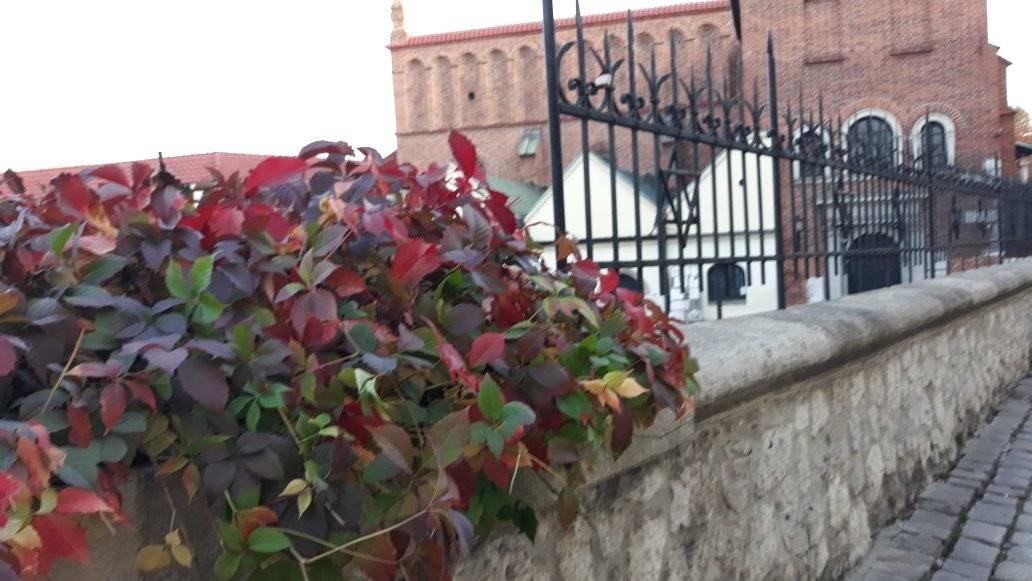
Among those who lived and worked here was Rabbi Moses Isserles, known as the Remuh, one of the greatest Jewish thinkers of Renaissance Europe. His work Mapah, a commentary on Jewish religious law, became a foundational text for Jewish life across the continent. His synagogue and burial site, where ivy creeps over ancient stones, remain places of prayer and quiet remembrance. Even today, they attract Orthodox Jews from around the world, especially on the Sabbath and during major Jewish holidays. Religious life flourished in Kazimierz – kabbalists and later Hasidic dynasties were also active here, spreading their teachings throughout Galicia from the 18th century onward.
Yet Kazimierz was not only a religious centre. It was a universe of everyday life – filled with tailors, bakers, printers, merchants, artists, craftsmen, and families of musicians. Languages blended naturally: Polish, Hebrew, Yiddish, and German. Books were printed in small workshops, the Torah and Talmud were studied in schools, and at home children learned to read from the Book of Psalms. On Szeroka Street, merchants, teachers, Hasidim, and poets crossed paths. The scent of freshly baked bread and fish preserved in barrels mixed with the sound of prayers rising from synagogues. Life followed the sacred calendar – the Sabbath, Passover, Sukkot, Purim – holidays that shaped the rhythm of seasons and of life itself.
Before the Second World War, more than 68,000 Jews lived in Cracow – nearly a quarter of the city’s population. But with the German occupation in 1939, everything changed. Persecution, restrictions, confiscations, and deportations became part of daily reality. Jews were forced to leave their homes in Kazimierz and relocated to a sealed-off district across the Vistula River, in Podgórze – the Cracow Ghetto.
The Ghetto in Podgórze – The Final Chapter
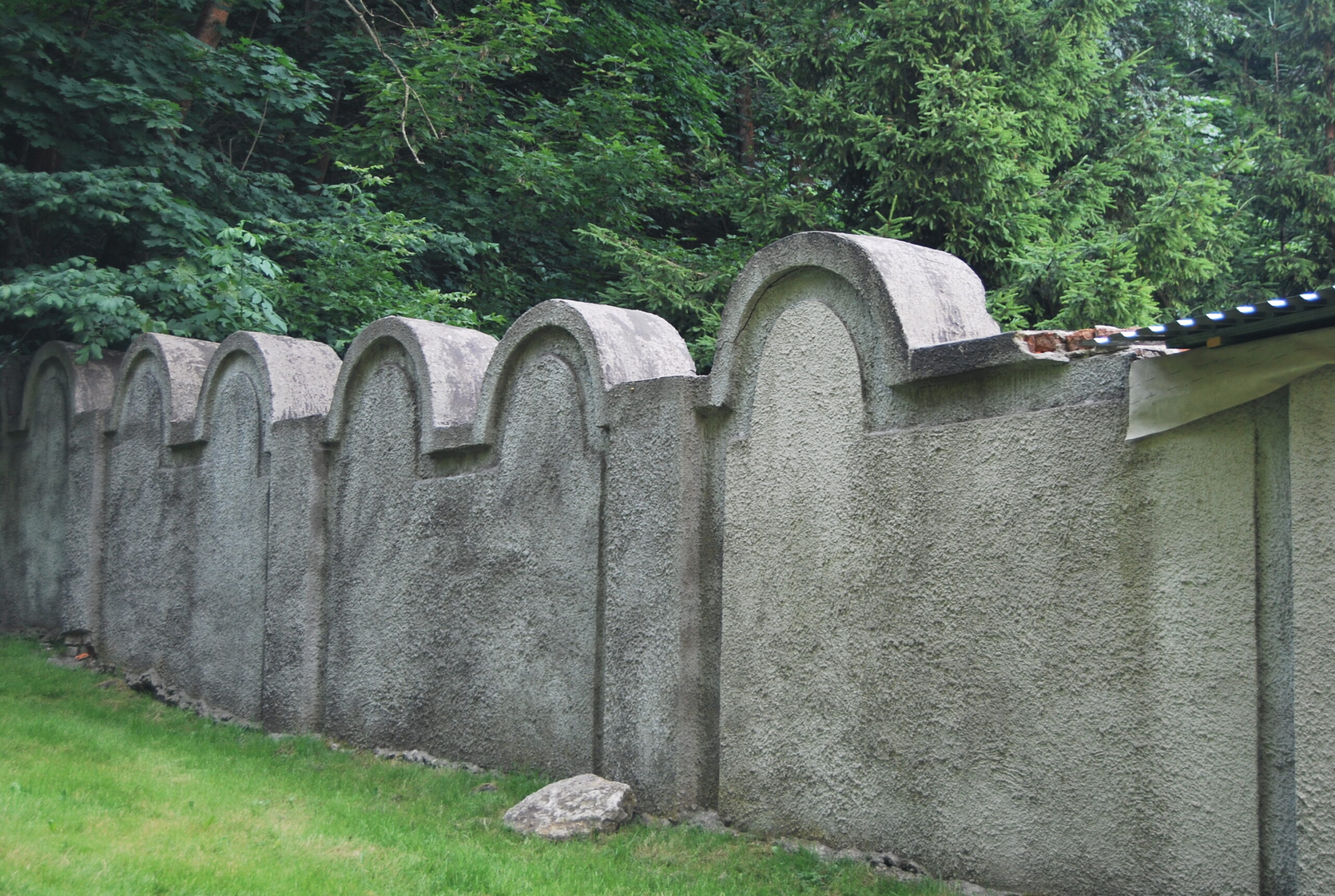
In 1941, the Nazi German authorities decided to establish a ghetto on the southern bank of the Vistula, in the district of Podgórze. Around 17,000 Jews were crammed into an area designed for no more than 3,000 residents. Windows were fitted with bars, gateways were bricked up, and a high wall was erected around the district – its upper edge shaped like Jewish gravestones. Within these few streets, an entire world struggled to survive. Even here, resistance began to emerge.
In June and October 1942, several thousand Jews from the Cracow Ghetto were deported to Belzec, where a Nazi extermination camp operated. In December of the same year, the ghetto was divided into two sections: “A” for those deemed fit for work, and “B” for those destined for death. In the spring of 1943, the liquidation of the ghetto was ordered. Approximately two thousand people from section “B” were sent to Auschwitz. Those from section “A” – thousands of men and women – were deported instead to Plaszow, a labour camp.
A Living Memory – Walking Through History
To walk from Kazimierz to Podgórze is to follow the pulse of history – from song to silence, from everyday life to survival, from loss to rebirth.
Our walk begins at the Remuh Synagogue – the only active synagogue in Cracow today, a place filled with stillness and the echo of prayer. Nearby lies the historic Jewish cemetery, where the graves of the city’s most learned rabbis and kabbalists rest. Time and rain have worn away the inscriptions on the stones, but the spirit of their words endures.
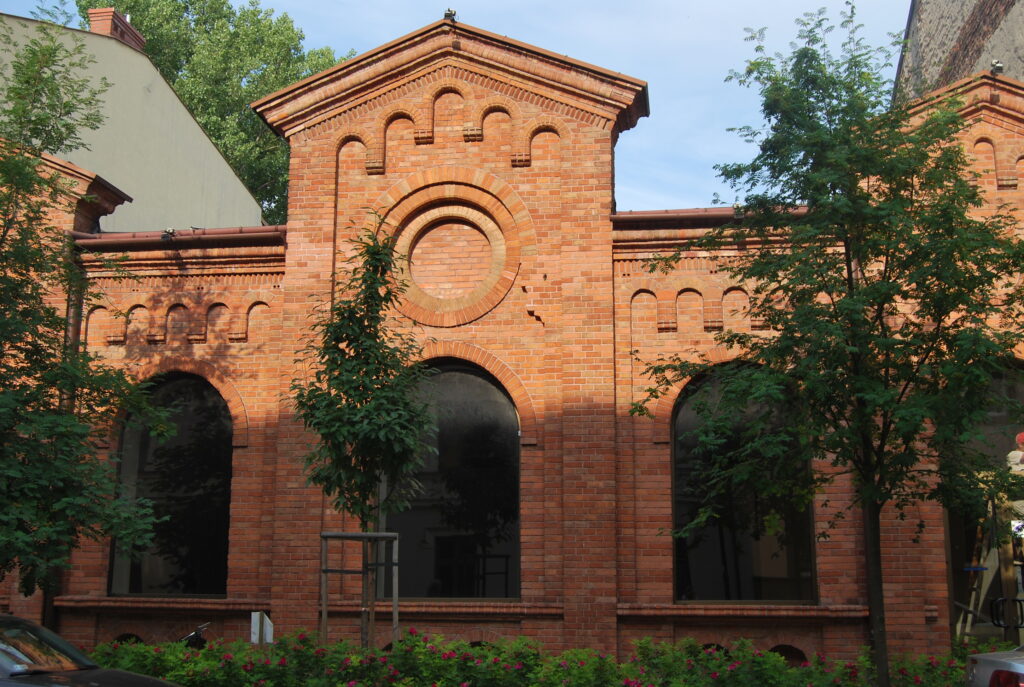
From there, we stroll along the colourful Szeroka Street and through the narrow lanes of Kazimierz, where every doorway carries its own story. We pause at the historic synagogues – the Tempel, Isaac, Popper, and Kupa synagogues – each with its own character and voice. We step into courtyards where traces of murals and inscriptions can still be glimpsed on the walls, pale echoes of a lost world.
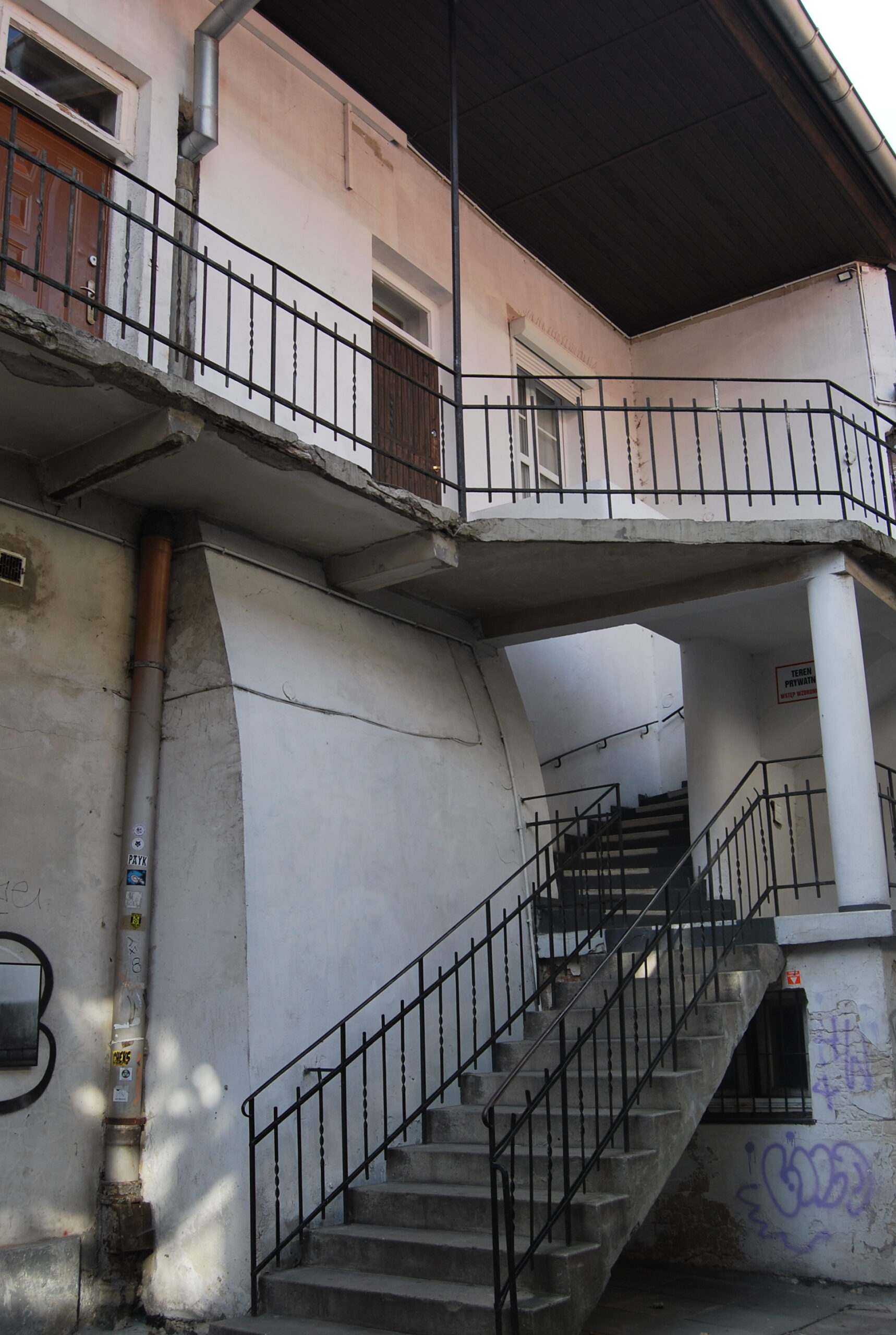
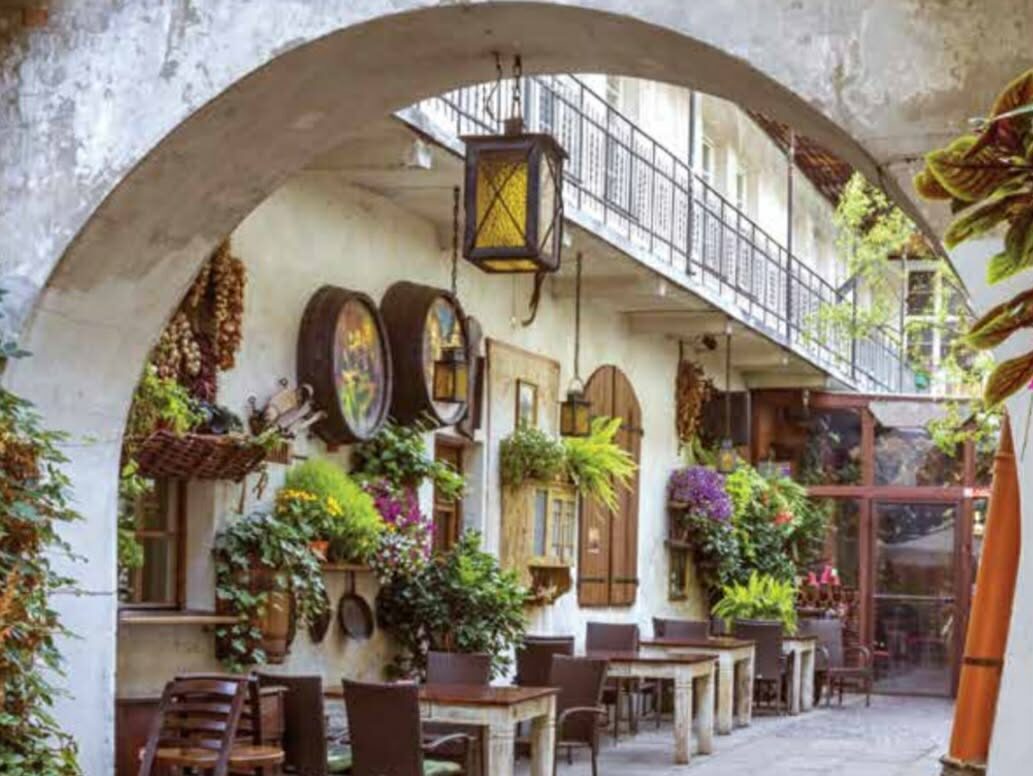
We then continue to the courtyard at Józefa 12, a hidden place where time seems to stand still. This is one of the most characteristic courtyards of Kazimierz, once filled with the rhythm of Jewish daily life – day after day, year after year. It was also here that scenes from Schindler’s List were filmed. Today, it remains one of Kazimierz’s most iconic locations, carrying an atmosphere that is equal parts nostalgia and life.
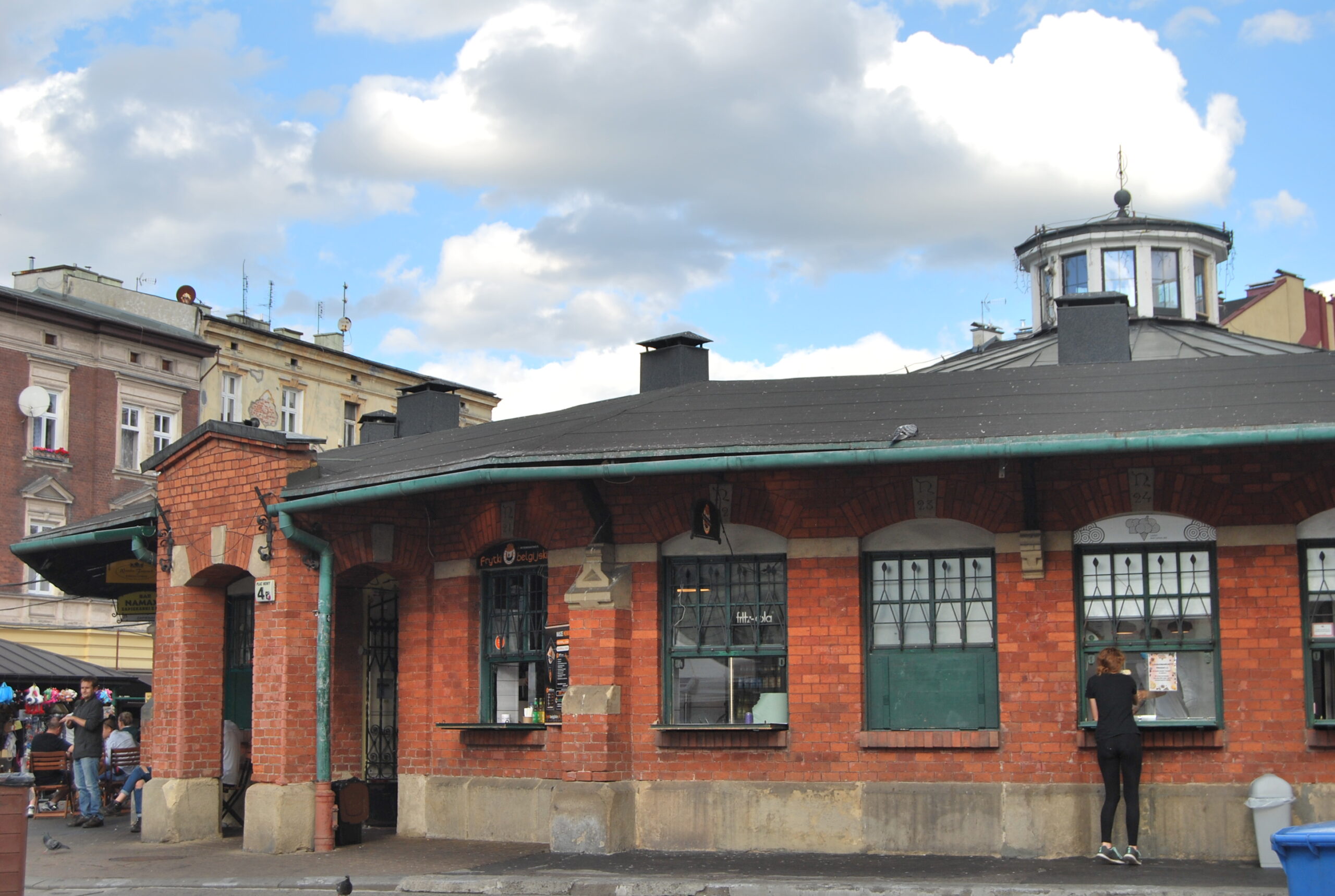
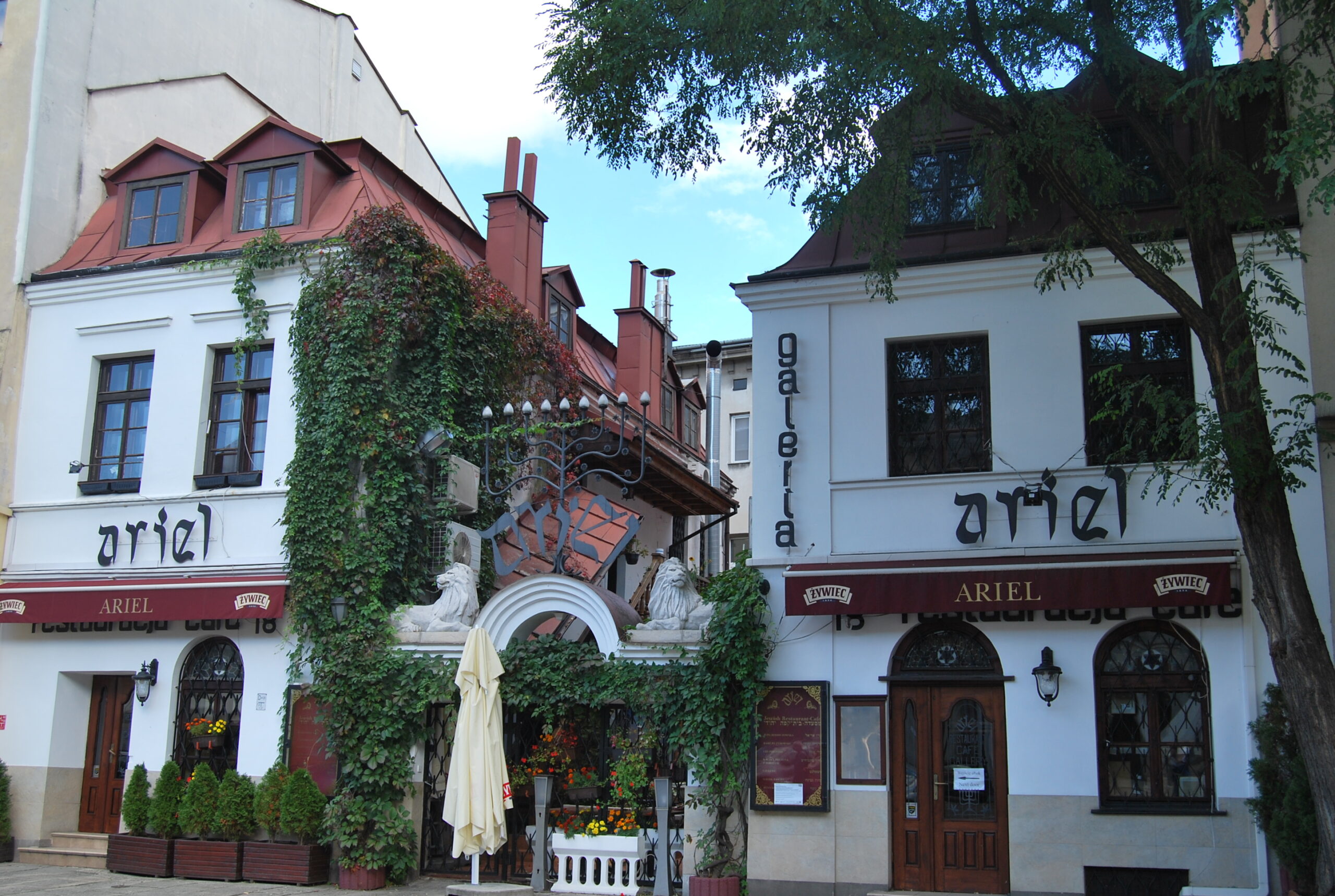
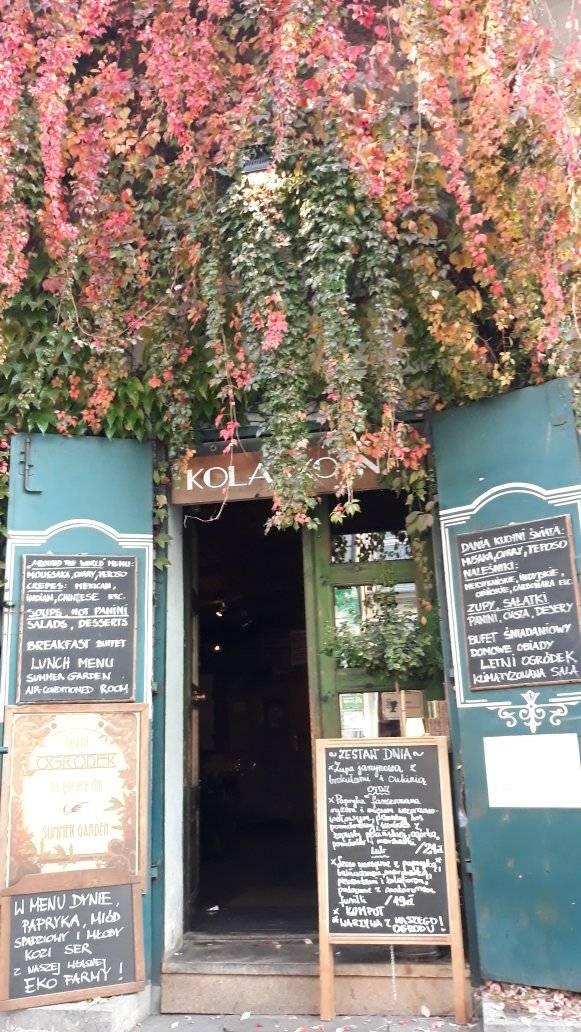
We reach Plac Nowy, the square that for over a century was the heart of Jewish Kazimierz – alive with movement, trade, and encounters. If time allows, we pause at one of the local cafés: perhaps one styled like a Jewish home from the interwar period, filled with old photographs, dark wooden furniture, colourful rugs, and crocheted linens, or a kosher café whose aromas evoke a corner of Jerusalem.
Along the way, we also see fragments of the medieval city walls that once protected Cracow. We tell the stories of the people who shaped Kazimierz – and later Kraków itself: rabbis, merchants, artists, thinkers, scholars, and academics. Their voices have fallen silent, but their presence endures in buildings, in works of art, and in the names of streets.
We then cross the river – over the same bridge that Jews were forced to walk across during the Second World War, when they were driven into the ghetto. We speak of daily life there, of the struggle to preserve dignity and humanity in the midst of despair.
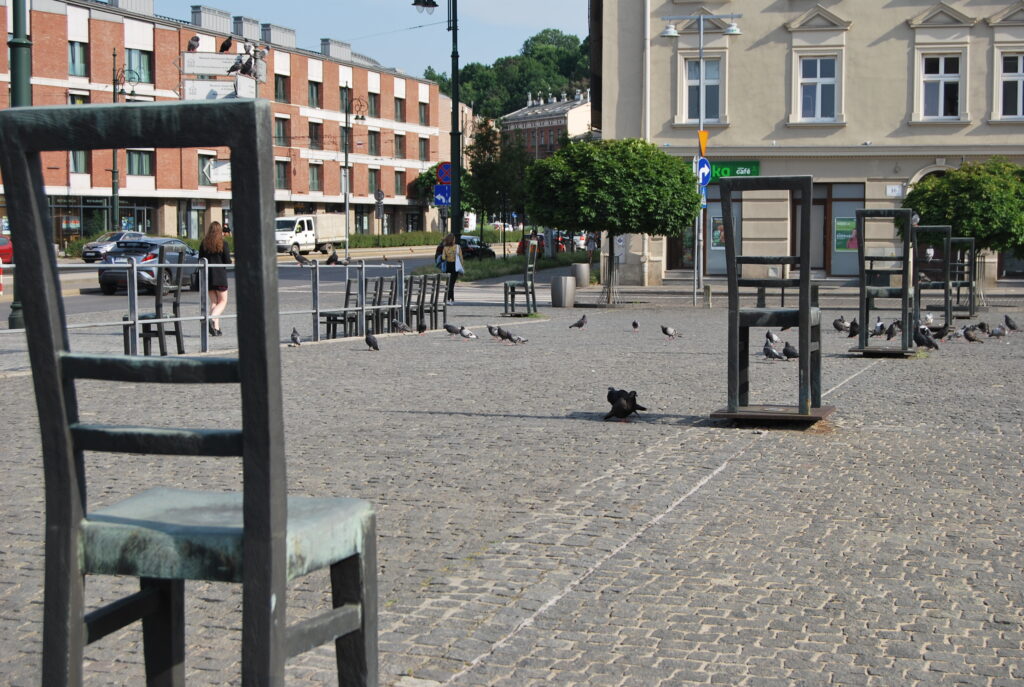
At Ghetto Heroes Square, we stop by the Chairs Memorial – a powerful and symbolic monument to those who were displaced and murdered. It was here that deportations to Belzec took place, and here that some of the bloodiest scenes during the ghetto’s existence unfolded.
We also speak of Oskar Schindler, whose factory stood just a short distance away, and of the concentration camp in Plaszow, where thousands were subjected to forced labour and lost their lives. We walk through the remaining traces of the ghetto and conclude our journey at a preserved fragment of the ghetto wall – silent, yet eloquent, a reminder of what must never be forgotten.
To walk here is to touch the pulse of memory – a reminder that history does not live only in books, but in the stones beneath our feet.