
Discover Cracow – A City That Breathes Through the Centuries
Cracow is widely regarded as one of Europe’s most beautiful cities and is rightly known as the cultural capital of Poland. Here, monumental architecture, thousand-year-old traditions, and a vibrant cultural life come together to create one of the continent’s most captivating destinations. History in Cracow is not confined to museums – it is present in the scent of freshly baked obwarzanki on the Main Square, in the sound of church bells drifting across rooftops, and in the evening light sliding gently over old façades and cobbled streets.
We guide you through this city in a way that brings history vividly to life – through rich storytelling, warmth, and deep engagement. Our aim is not merely to point out buildings, but to open doors to the past. We want you not only to see Cracow, but to feel it: to sense the smell of beeswax candles, to hear the echo of horse hooves on stone, and to imagine merchants’ stalls during the bustling market days of the Middle Ages.
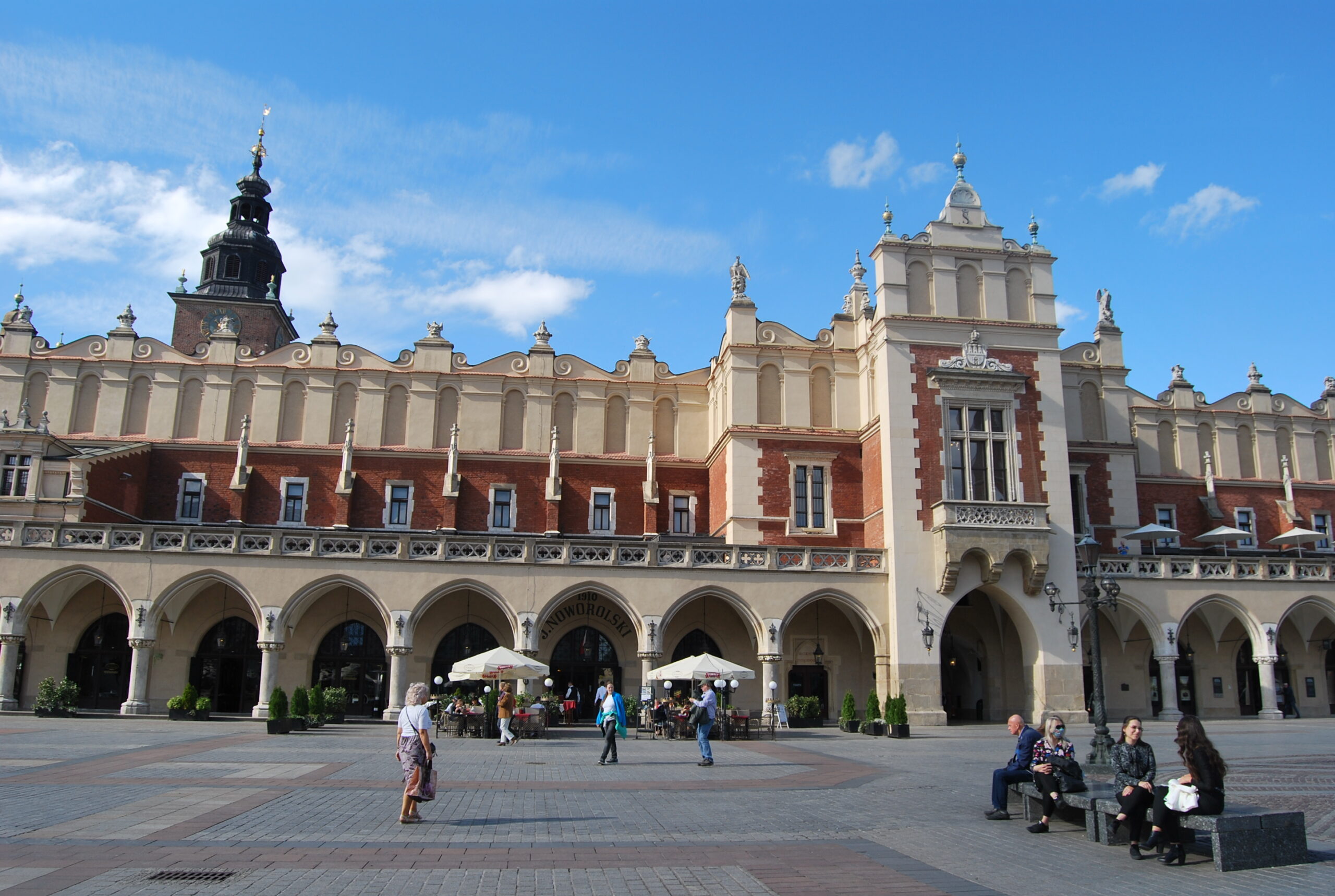
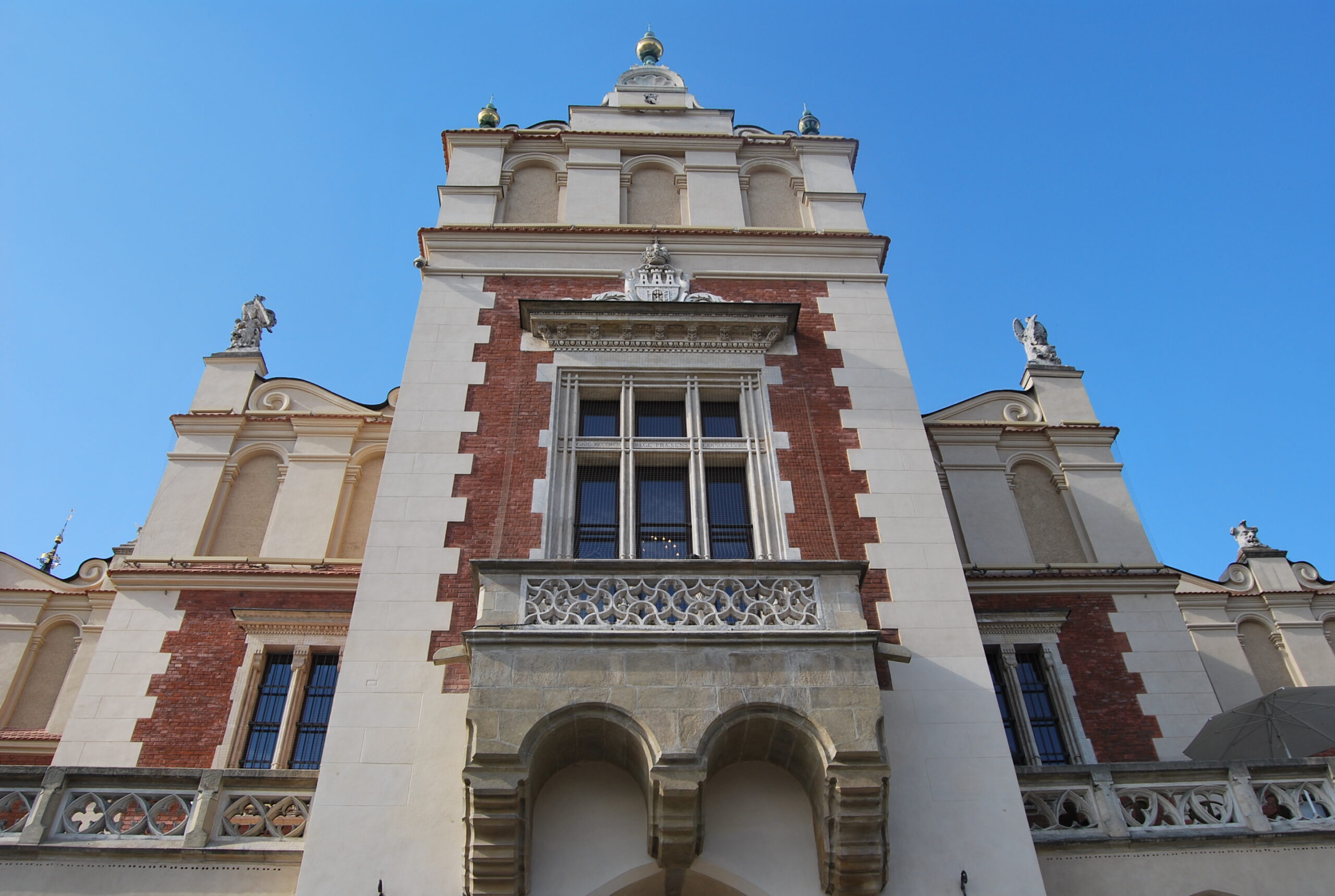
Our tour begins in the Old Town – Cracow’s timeless heart, a living open-air museum where every street carries its own story. On the Main Market Square rise the majestic Cloth Hall, where as early as the 14th century merchants traded silk, spices, furs, and amber – the “gold of the North.” Situated at the crossroads of major trade routes, Cracow became a natural meeting place for people, languages, and ideas. Polish, German, Latin, and Hebrew could all be heard in its streets. Although it lay far from the sea, Cracow was even connected to the Hanseatic League, a testament to its economic importance. St. Mary’s Basilica, with its monumental altarpiece and soaring star vaults, still tells the story of a city that shaped its soul through faith and beauty.
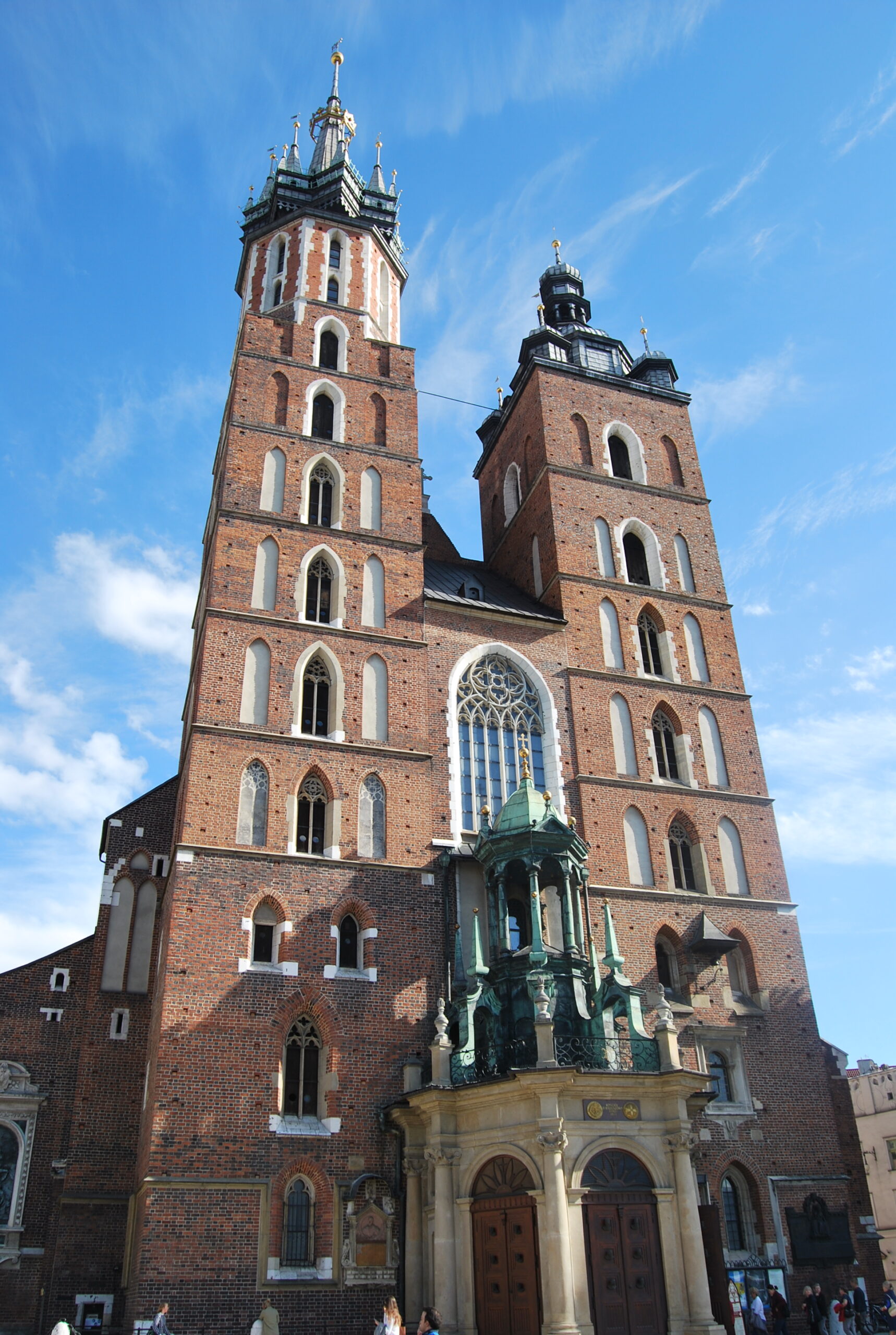
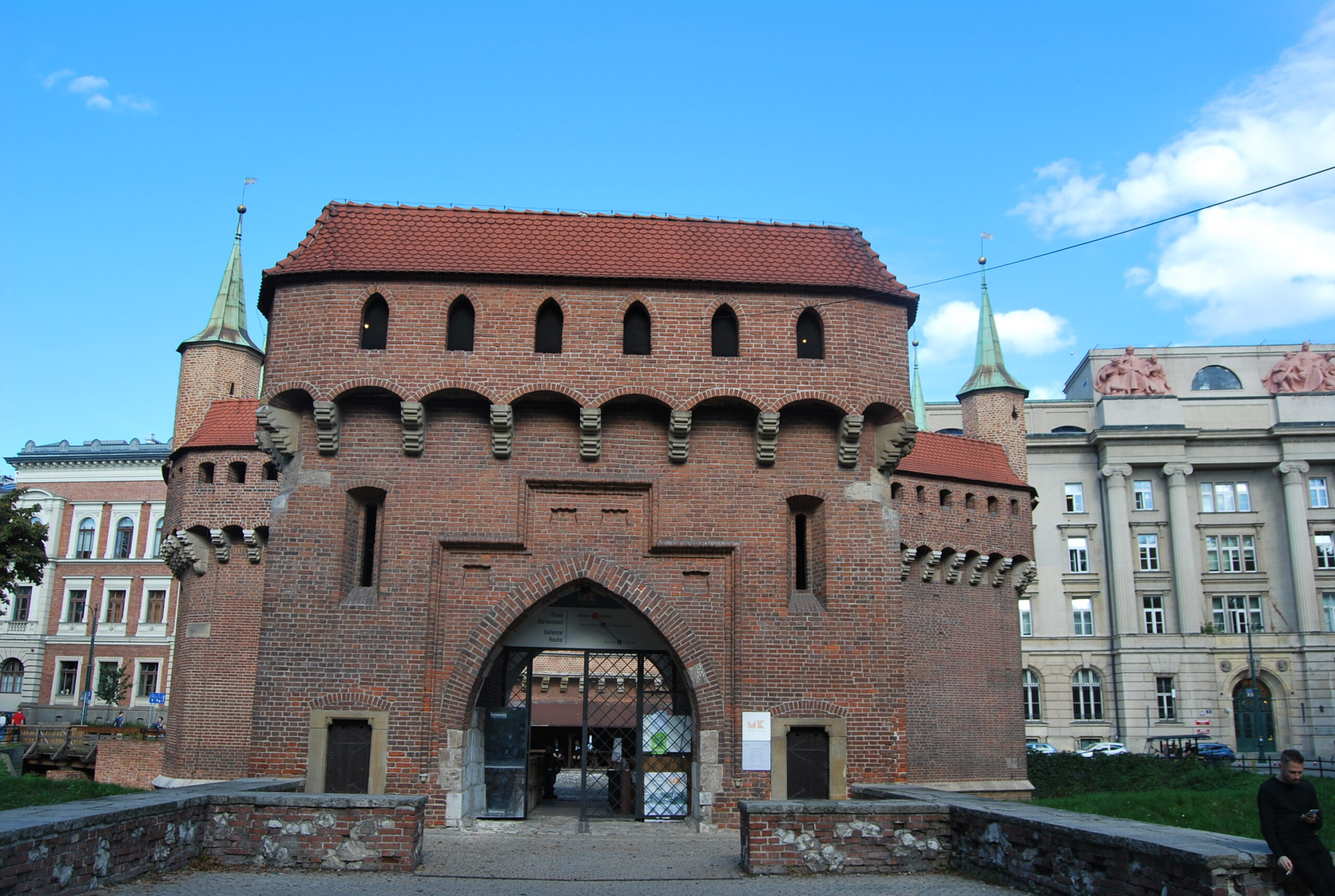
The city was built under Magdeburg Law, which gave it a harmonious, almost geometric layout: a vast central square from which straight streets radiate like sunbeams. Unlike many northern Hanseatic towns, Cracow was conceived as a city of balance and order, with the market square as its living pulse. A vibrant, multicultural world emerged here – a miniature Europe where craftsmen, artists, and scholars met. In Gothic gateways echoed the footsteps of merchants and pilgrims, and at dusk torchlight cast a red glow on stone walls. Every street, courtyard, and fragment of brick still breathes this era – a medieval landscape of faith, labour, and dreams.
We then continue to Collegium Maius, one of the oldest buildings of the Cracow Academy, founded in the 14th century. During the 15th and 16th centuries, Cracow experienced its golden age. It was the flourishing capital of a kingdom stretching from the Baltic Sea to the Black Sea. At the royal court and at the Jagiellonian University, artists, scholars, and diplomats from across Europe crossed paths. In the quiet cloisters, the scratch of quills on parchment could be heard, while in the evenings the glow of oil lamps danced across Renaissance halls.
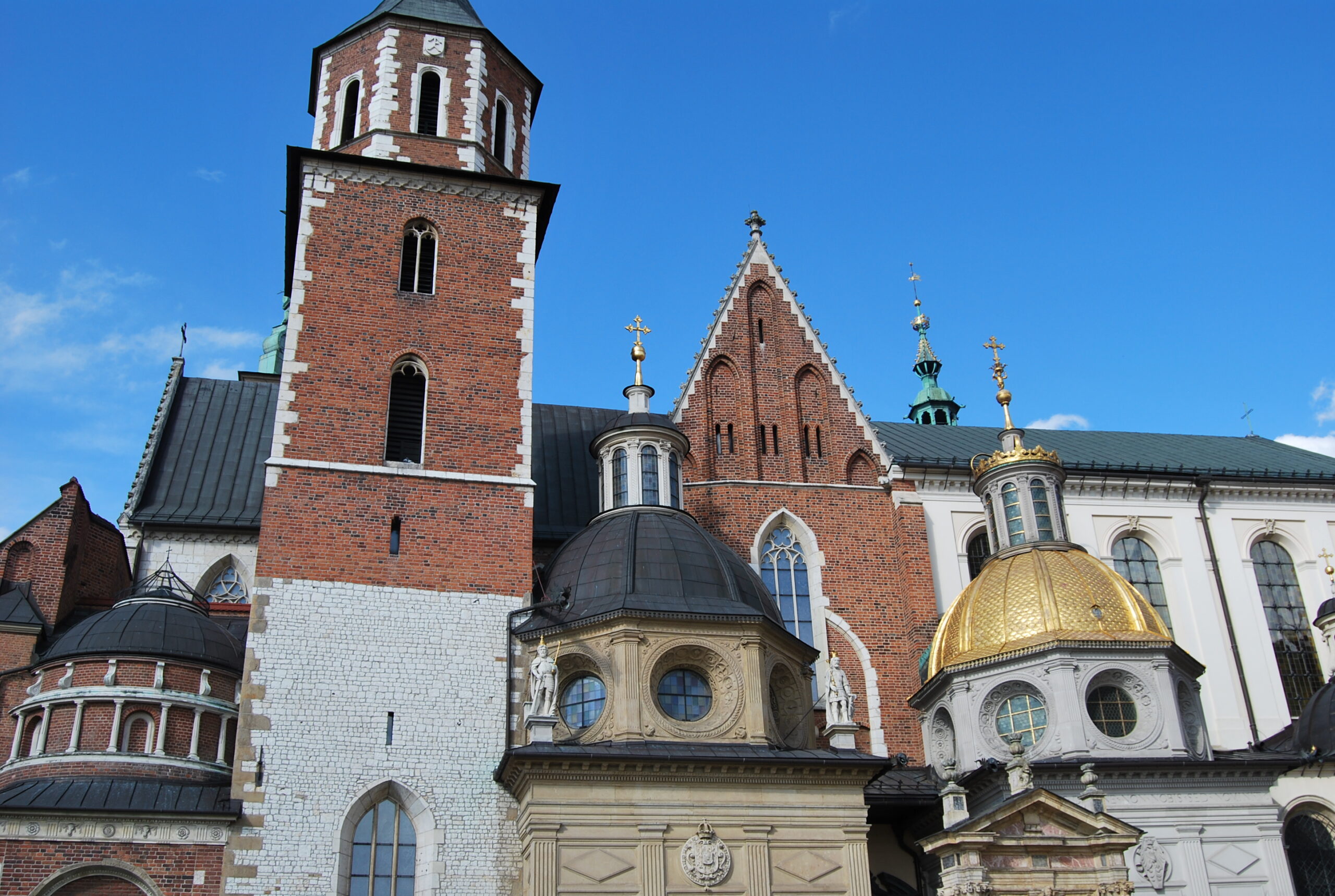
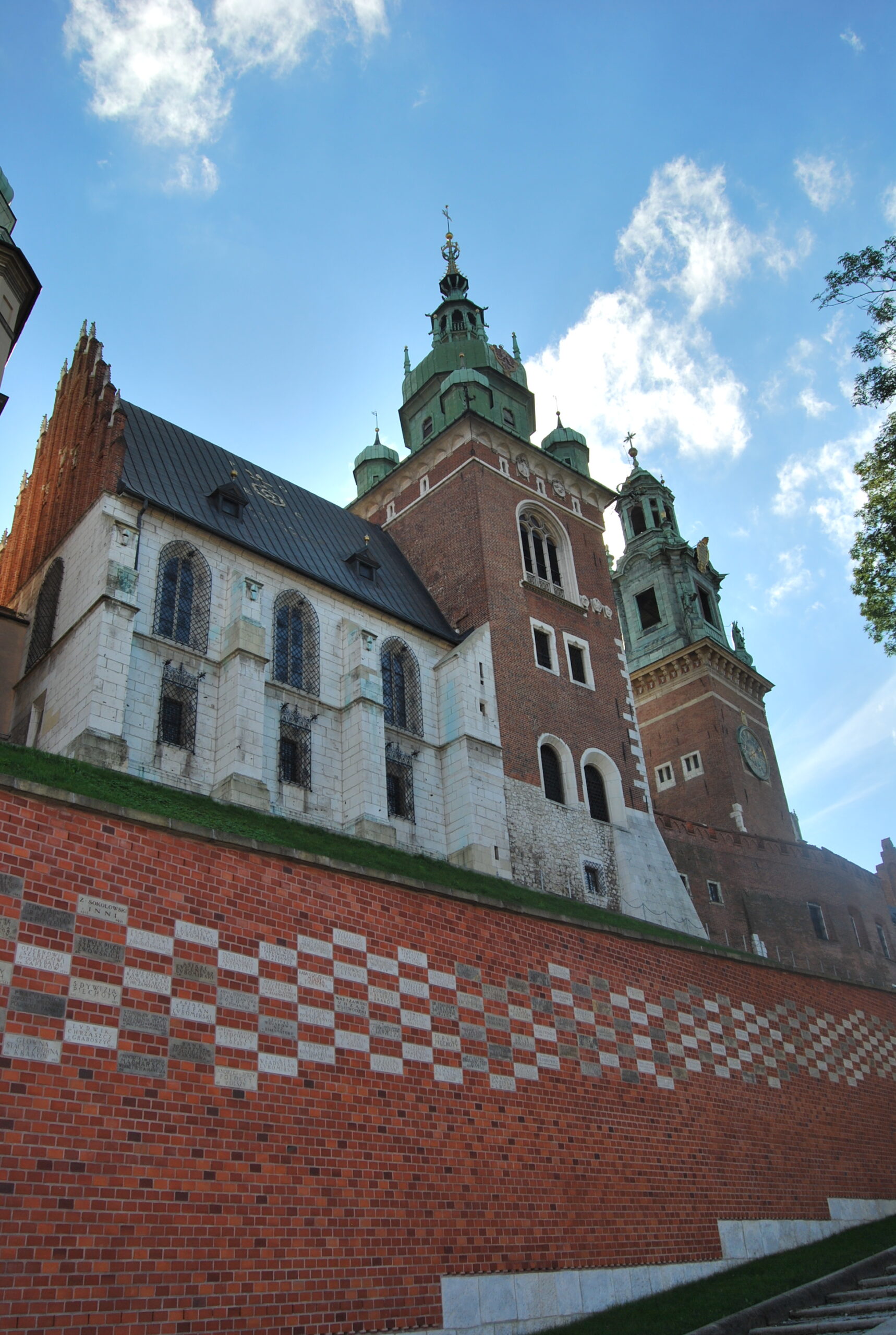
From there, we move south of the Old Town, where Wawel Hill rises above the Vistula River – a limestone outcrop crowned by the Royal Castle and Cathedral, the very heart of Poland in stone and faith. It was here that kings were crowned and buried, where the fate of the kingdom was decided, and where Polish history took on its spiritual form.
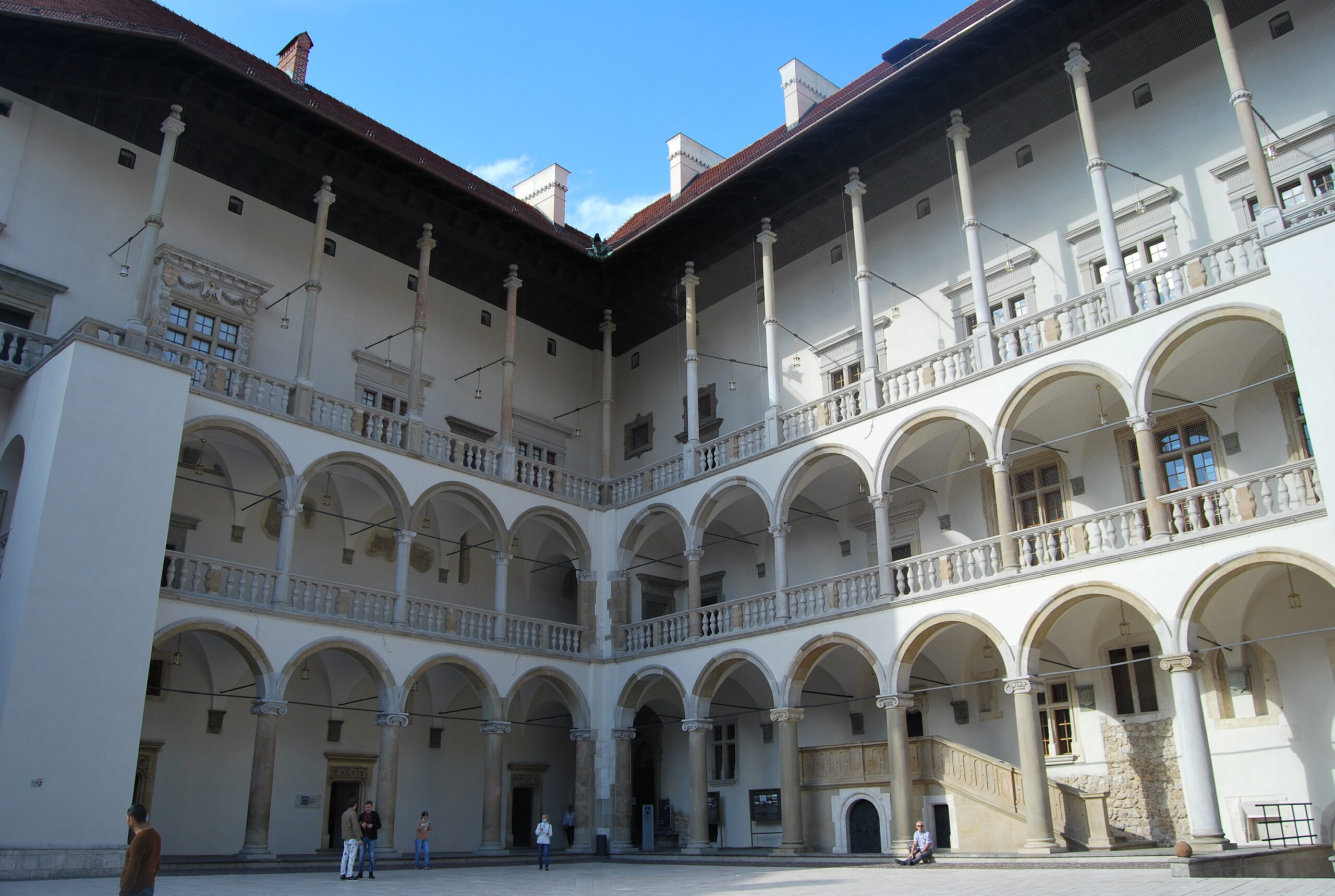
Yet every splendour casts a shadow. From the 17th century onward, both Poland and Cracow gradually lost their political power. The royal court moved to Warsaw, trade declined, and the city slipped into quietness. But Wawel remained – a silent guardian of national memory. Even as power shifted elsewhere, the spirit stayed behind. The cathedral on Wawel Hill became a national mausoleum, a sacred space where kings, poets, and heroes found their final rest. Monarchs, artists, and thinkers lie here – people who carried the Polish soul through years of darkness.
Then came the war. When Nazi Germany invaded Poland in 1939, Cracow was chosen as the capital of the so-called General Government. The occupiers considered the city “German” in character: Goths had settled here as early as the 5th century, and in the 13th century Cracow had been rebuilt under Magdeburg Law, a German urban model. The Nazis searched for traces of a “German medieval heritage” in the city’s structure, architecture, and art. They admired Cracow’s order, classical proportions, and almost timeless beauty – and for this reason, the city was spared from destruction. Gothic churches, Renaissance façades, and bridges across the Vistula survived the war. Yet beneath the surface unfolded another story – one of oppression, courage, and silent resistance. The medieval streets remained, but they carried the weight of sorrow. Even today, the echo of that suffering can still be felt in Cracow.
After the war, Cracow rose once more. The city’s soul – resilient and proud – found new life. Monuments bear witness to memory and strength: the poet Adam Mickiewicz watches over the Main Square, and the Grunwald Monument stands as a symbol of victory. But Cracow does not live solely in its past – it recreates and reinterprets itself every day. In the Cloth Hall Gallery, masterpieces of 19th-century Polish art are displayed; on Wawel, treasures of the Renaissance and royal splendour await; and in the Czartoryski Museum, Leonardo da Vinci’s Lady with an Ermine shines as one of Europe’s greatest artworks. Here, the history of European art meets the Polish soul.
Cracow is also a city of discovery. Beneath the surface – in the cathedral crypts and under the stones of the Main Square – archaeological excavations continue to reveal layer upon layer of the city’s past. Roads, coins, vessels, and walls emerge, reshaping our understanding of Cracow’s role in European history. This is a city still searching for its roots, where every new discovery opens another window into the past.
For Cracow is more than walls and monuments – it is a living heritage. It is the sound of the trumpet call from St. Mary’s Tower echoing across the square every hour. It is the scent of beeswax, the taste of obwarzanki, the shadow of clouds drifting over the Vistula River. It is the story of a people who always rose again, and of a city that never stopped dreaming.
Our guided tour of Cracow is more than a walk – it is a journey through centuries and senses. Over the course of two hours, we lead you through the city’s most fascinating places: the Main Square, its churches, Wawel Hill, and streets where time seems to stand still. We do not merely recount facts – we tell vivid stories of real people who shaped the city. With warmth, colour, and presence, we help you see, hear, and feel the winds of another age.
For Cracow is not a city you simply visit.
It is a city where history comes alive.
A city to be experienced – with all the senses.