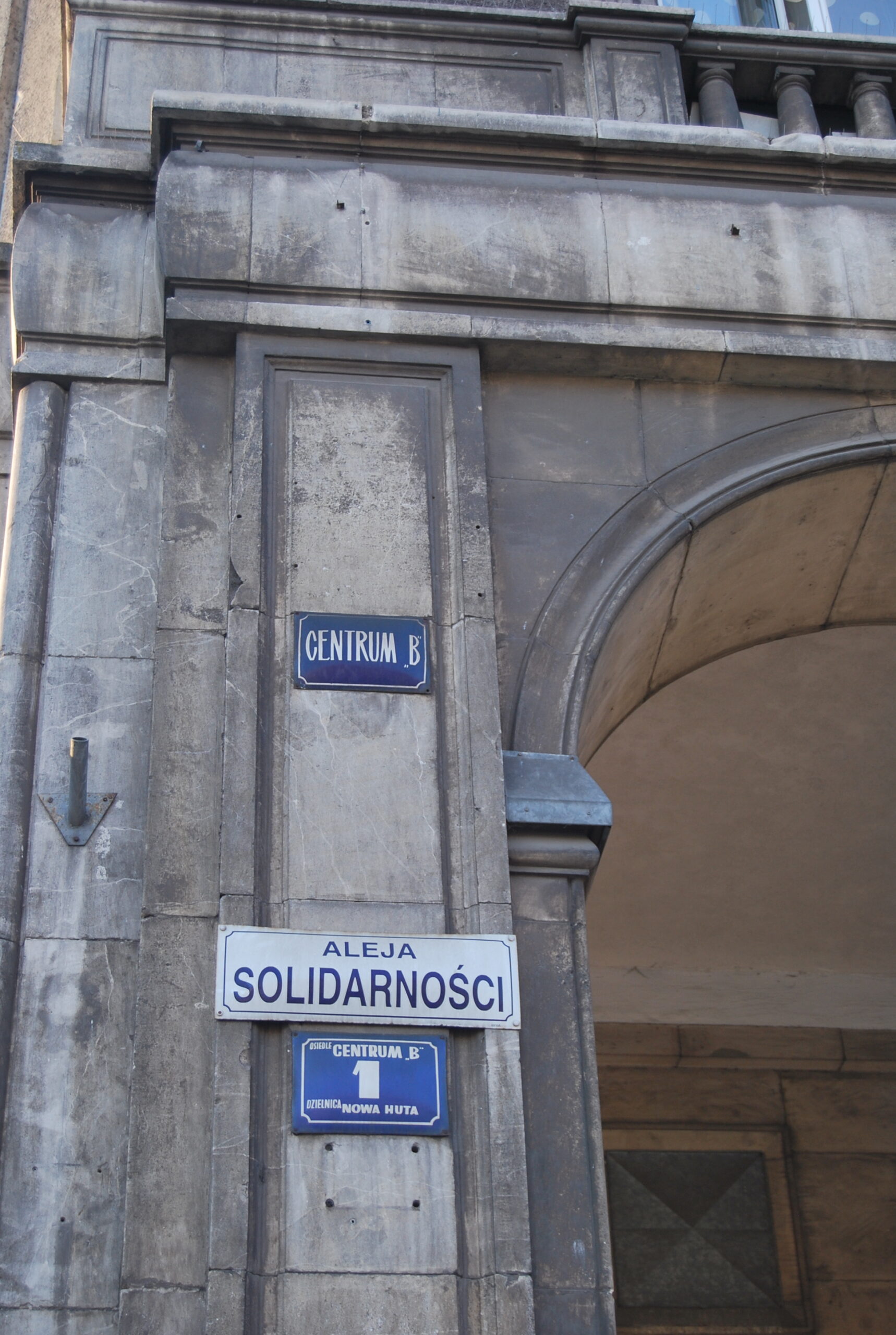

Nowa Huta – The City That Defied Its Creator
To visit Nowa Huta is to step into an alternative reality – a city built on an idea, a vision of the future, a utopia meant to give birth to the “new human being.” Here, east of Cracow’s historic centre, the first fully planned city of socialist Poland rose after the Second World War – the city of the promised, radiant future.

A City Born of Ideology
The idea of building Nowa Huta emerged as early as 1945, as part of Soviet-driven industrialisation policy. Steel was to become the symbol of progress, strength, modernity – and above all, power. Joseph Stalin himself declared that steel production must stand above all other human activities, as it was the path to economic victory and military dominance. But Nowa Huta was more than an industrial project. It was meant to be a city without God, without tradition, without old values – a new world where church bells and crosses would have no place.
With its churches, universities, culture, and faith, Cracow represented “old Poland.” Nowa Huta was to become its opposite – the city of the new socialist human being, built on obedience, collectivism, and belief in the future. Propaganda declared boldly: “It is Cracow that lies next to Nowa Huta, not the other way around.” History, however, had the final word. The city that was meant to be soulless ultimately became a stronghold of the human spirit.
Youth – Builders of the Future
The communist authorities placed special emphasis on young people. Youth were to become the hope of communism – its soldiers and its prophets. Thousands of volunteers arrived: students, workers, members of youth organisations. They broke production records, competed in labour campaigns, and proudly carried the slogan “300 percent of the norm.” For many, this was not merely propaganda. It was a genuine opportunity for work, housing, and a sense of dignity. Many later remembered this period as a youthful dream of building a new Poland.
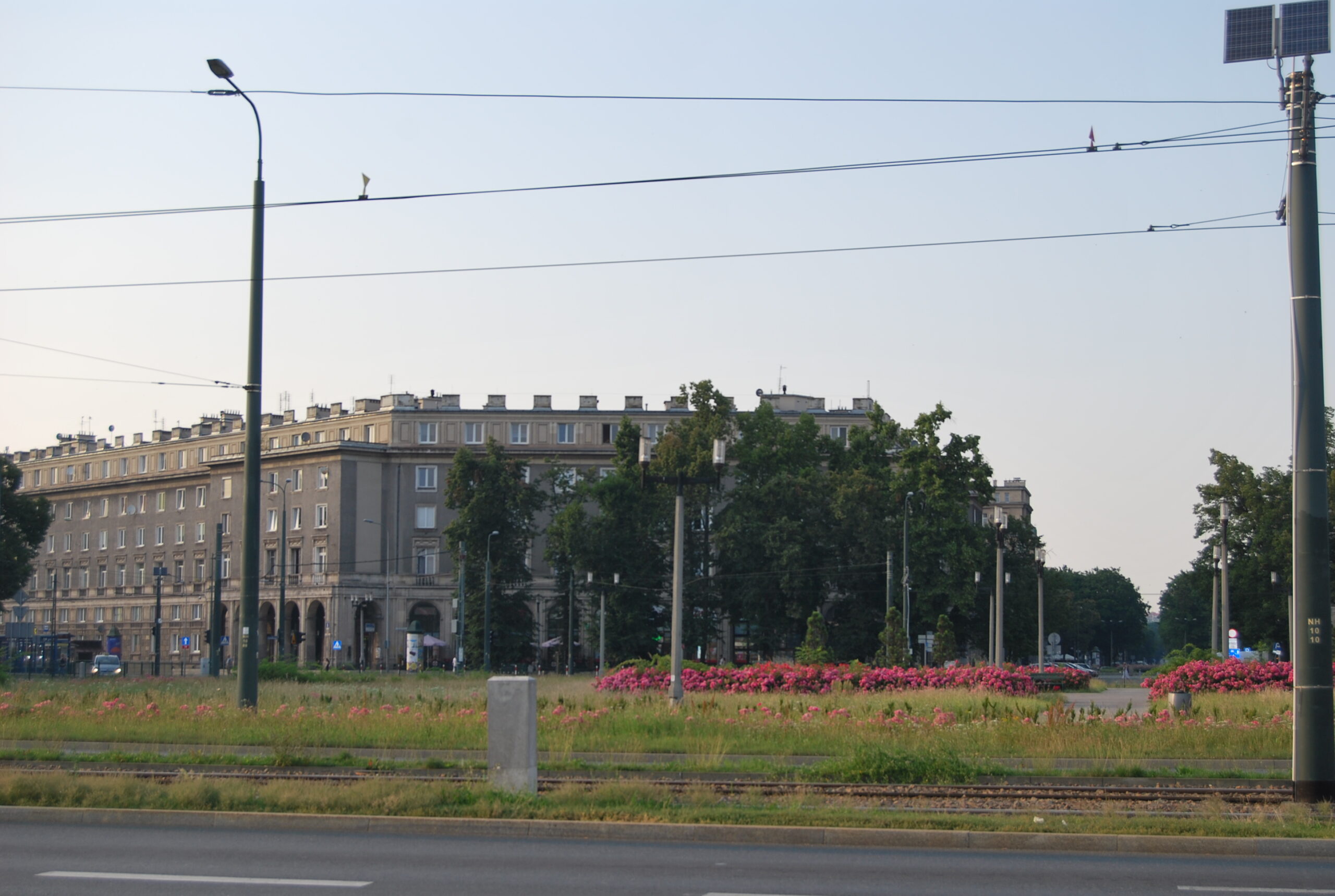
Chief architect Tadeusz Ptaszycki designed Nowa Huta as a functional and harmonious city. Its layout was conceived as a geometric circle, with Plac Centralny at its heart, from which streets radiate like sunbeams. The city was intended to be monumental yet humane, compact yet green – built for community.

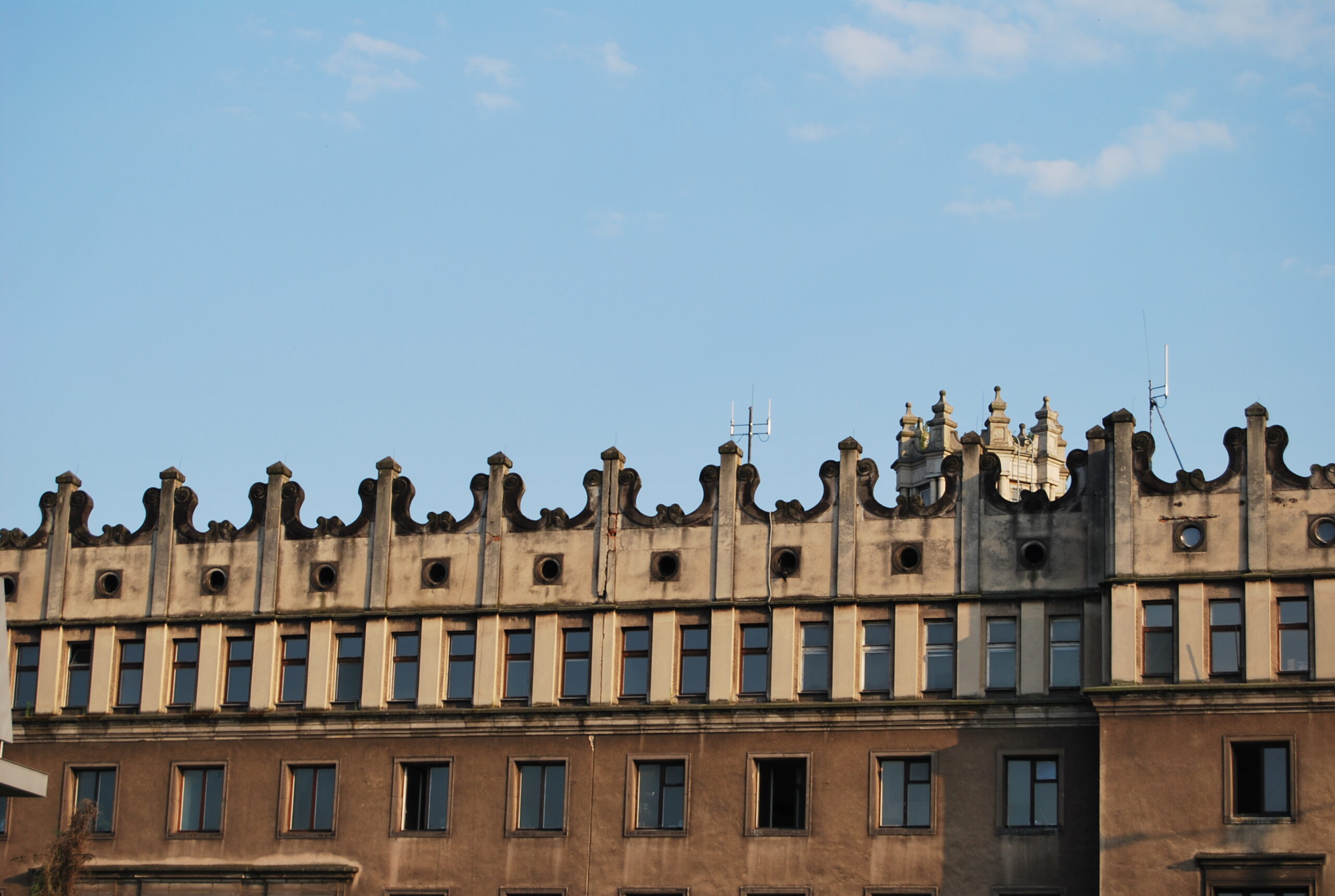
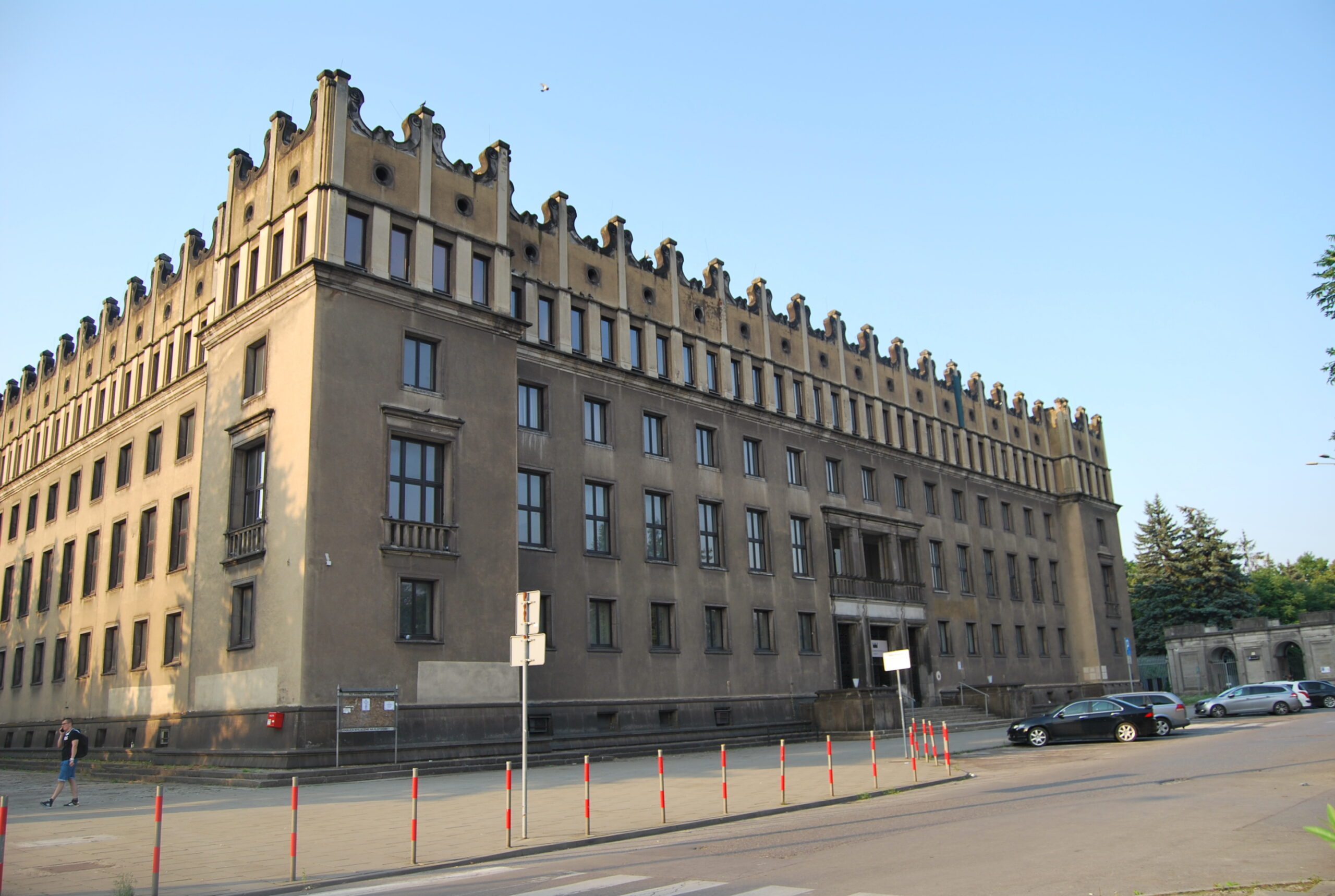
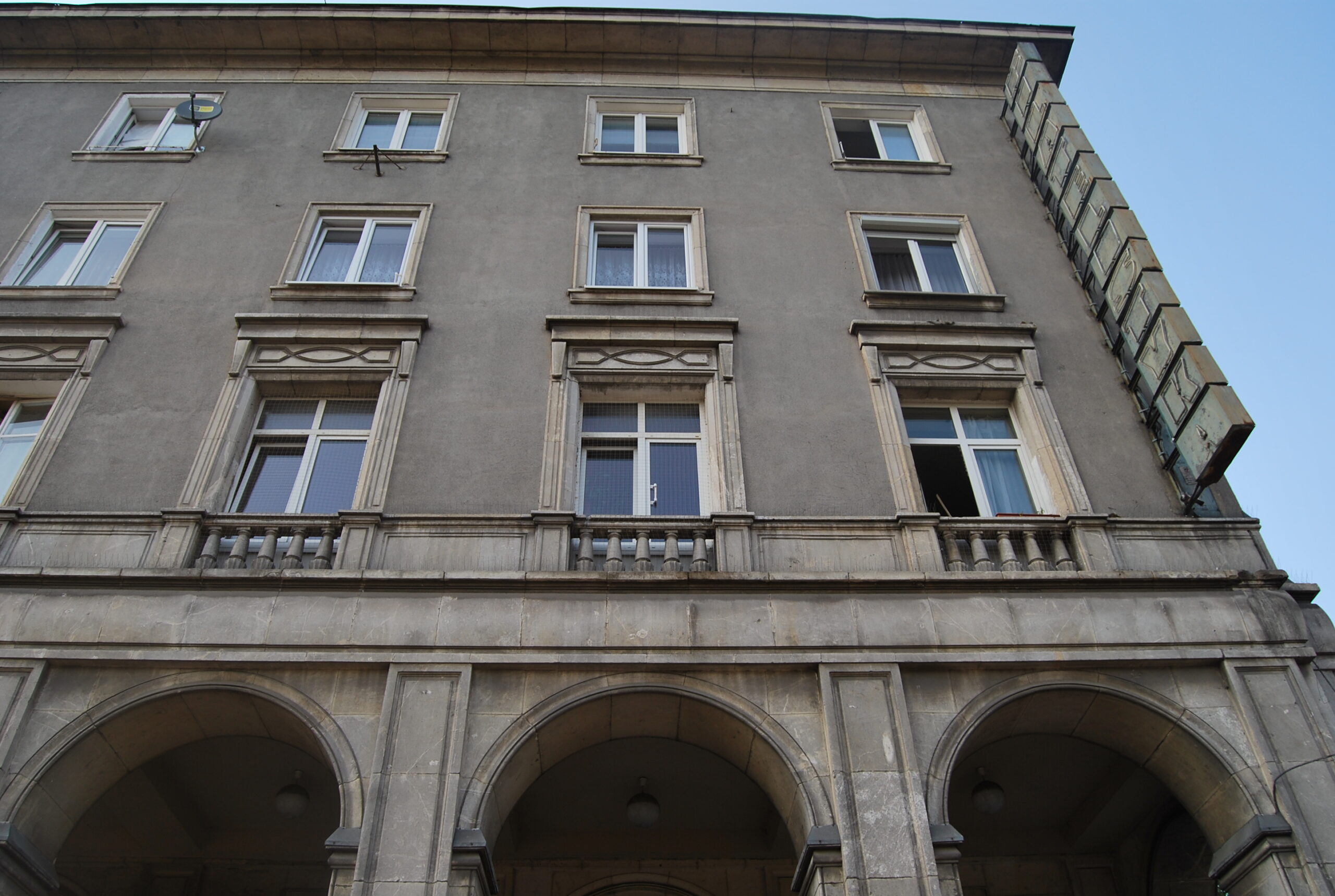
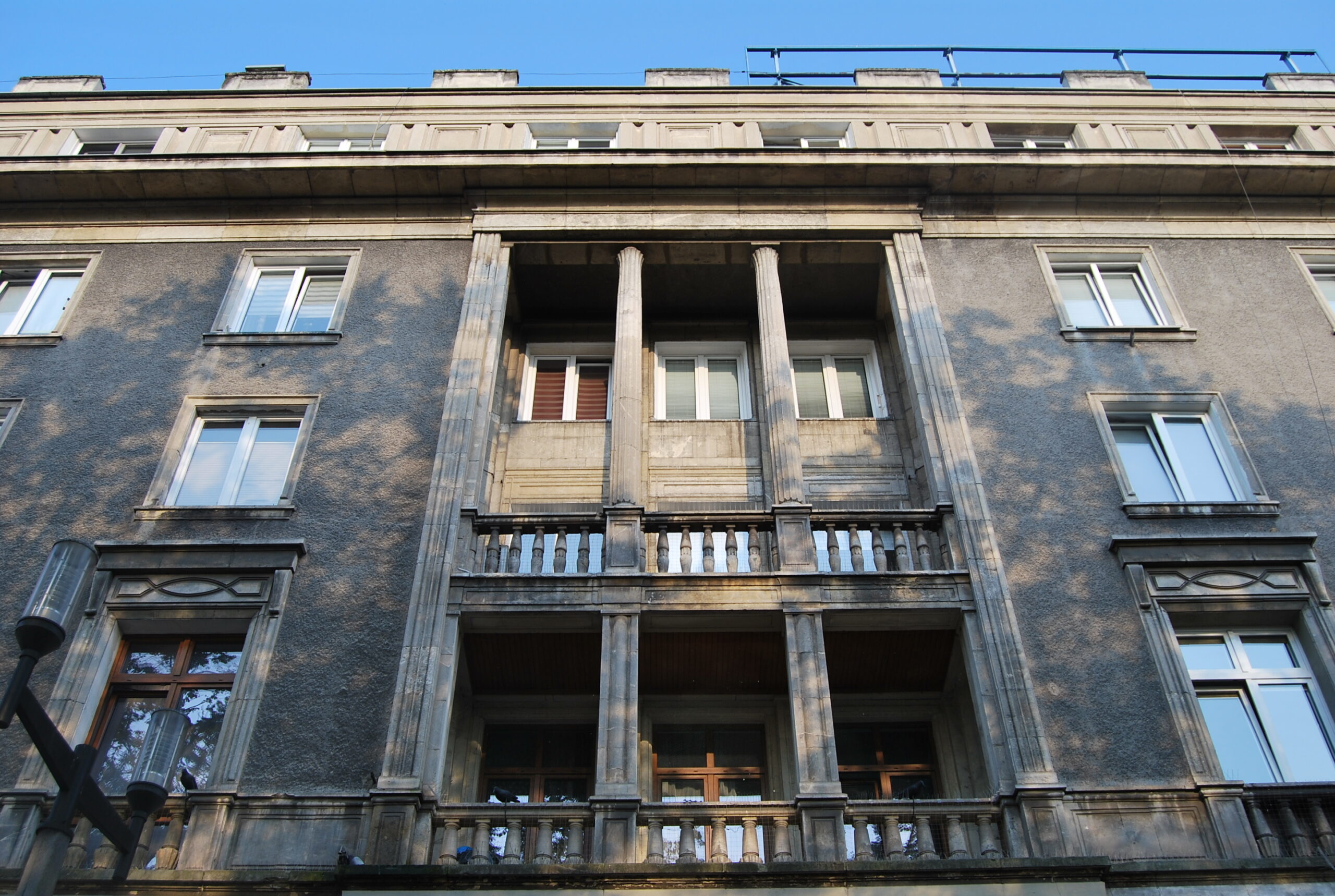
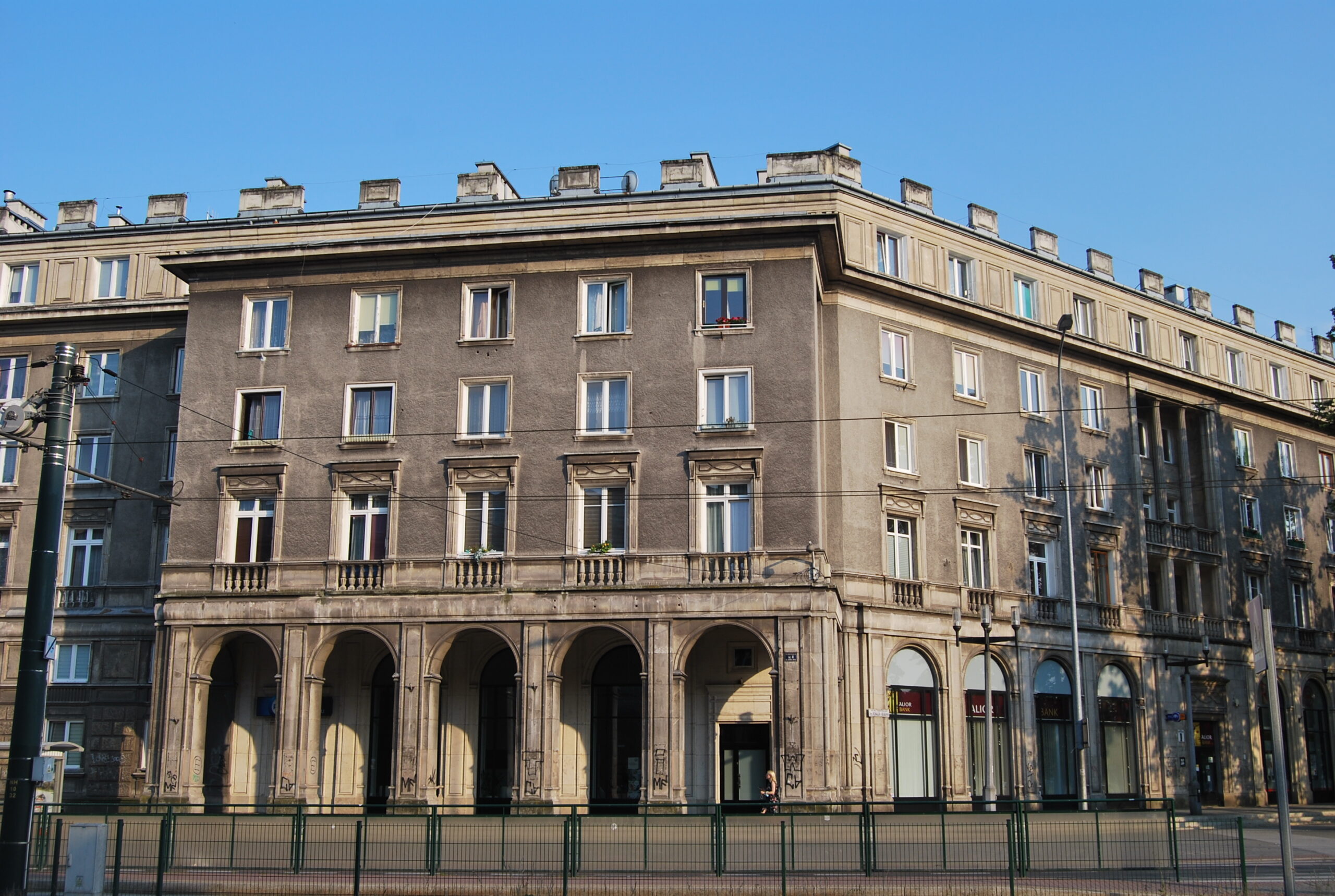
Soon, however, the Party demanded a more ideological form. The architectural style was to become Socialist Realism: buildings with columns, attics, strict symmetry, blending Gothic austerity, Renaissance dignity, and Baroque massiveness. The characteristic semi-circular forms, arcades, and vaults echoed Cracow’s Renaissance architecture – such as the Cloth Hall or Wawel – but here they carried a radically different meaning. They were meant not to honour the past, but to surpass and negate it: to demonstrate that the new era no longer needed bourgeois faith or tradition. There was to be no visible distinction between workers’ and officials’ housing – equality was to be built into the walls themselves.
Around Plac Centralny, theatres, cultural centres, and Party headquarters were planned. Many of these buildings were never realised, yet the urban structure itself – with its quarters, squares, gardens, and broad avenues – still makes Nowa Huta one of the most unique examples of urban planning in the former Eastern Bloc.
Life in the New City
In its early years, life in Nowa Huta was harsh. Everything was lacking: shops, pharmacies, culture, transport. People arrived from all over Poland – some from cities, but most from rural areas. Many had lost their homes and land after the war and were forced to adapt to life in collective housing estates. It was a world of contrasts: ideals and poverty, dreams and alcohol, solidarity and violence. In the 1950s and 1960s, cows could still be seen grazing near Plac Centralny.
Gradually, however, a distinct local identity emerged. Residents began to feel pride in their city, their labour, and their everyday resilience.
For a long time, Cracow’s traditional elites viewed Nowa Huta’s inhabitants with disdain, labelling them “godless Reds” or “peasants who did not know how to live in a city.” The communist authorities encouraged these divisions – it was convenient to set the old city against the new. Yet in the 1980s, when the struggle for freedom intensified, the people of Cracow and Nowa Huta finally stood side by side.
A City of Faith and Resistance
Nowa Huta was designed to be a city without churches – a laboratory of atheistic ideology. But people needed faith. They gathered for prayer in parks, carried crosses through the streets, and fought for years for the right to build a church.
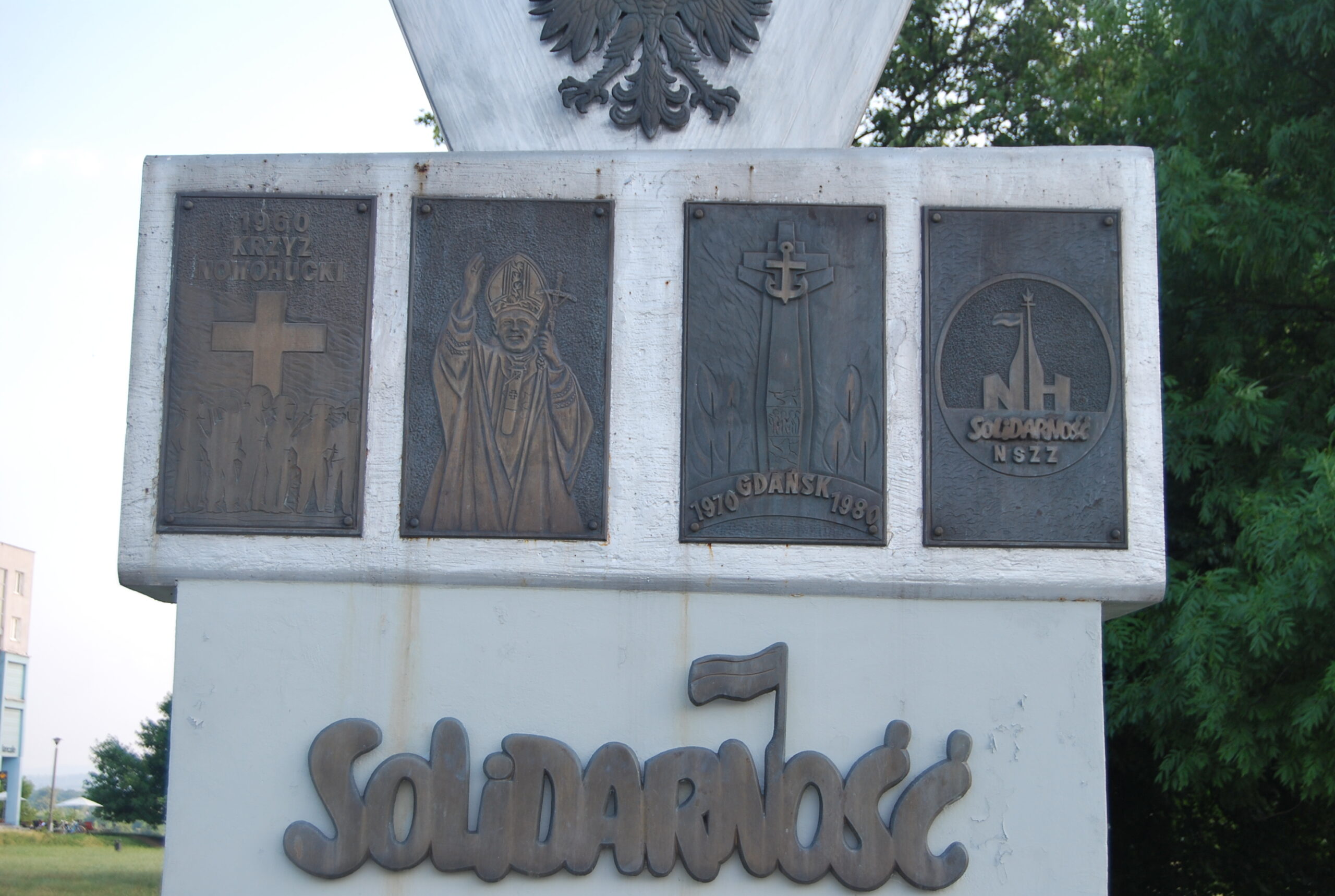
Their victory came in 1977, with the completion of the Church of the Lord’s Ark (Arka Pana). Built of concrete, steel, and unwavering belief, it became not only a place of worship but also a centre of resistance. Here preached Archbishop Karol Wojtyła – the future Pope John Paul II – defending the human right to dignity and spirituality.
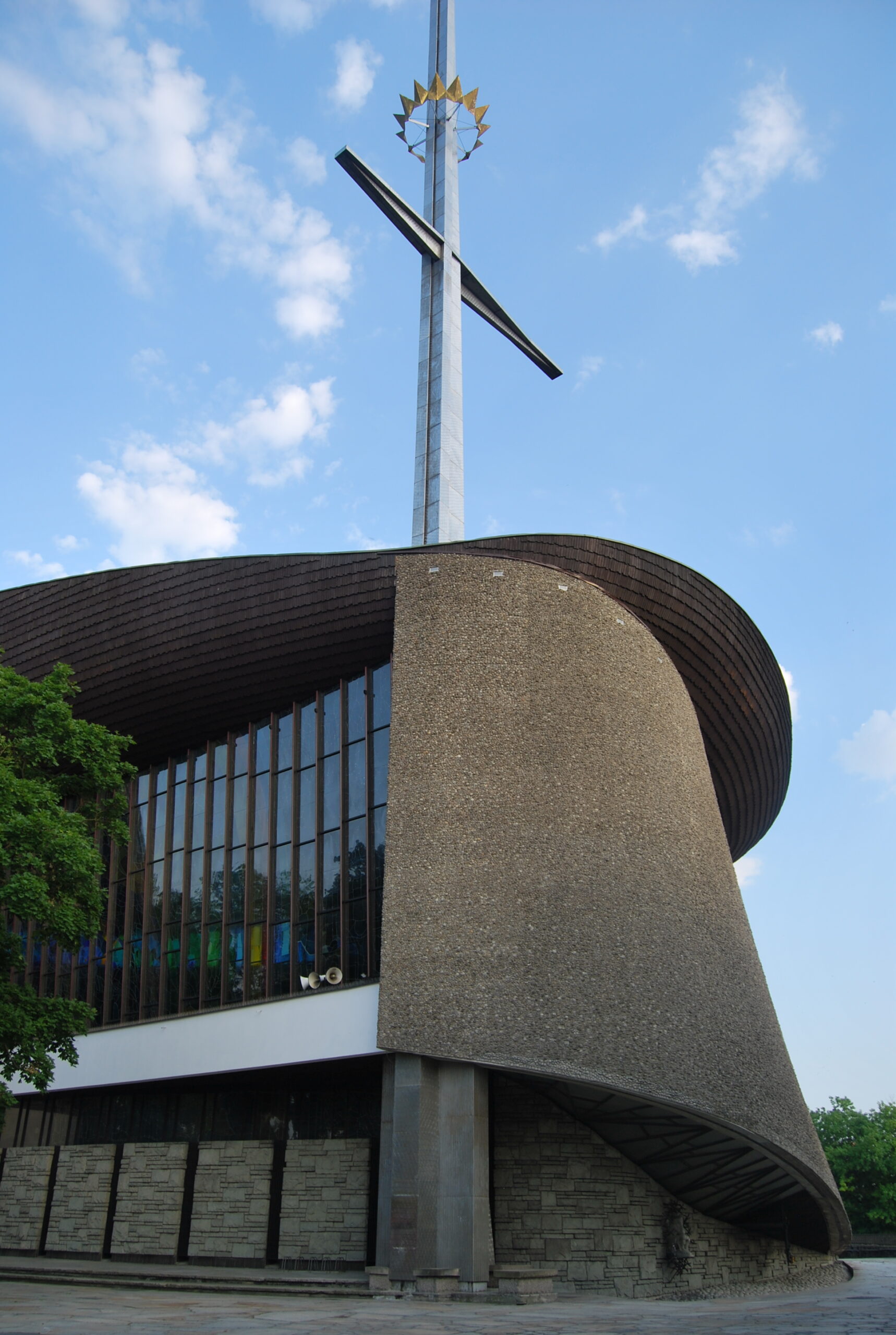
During the period of martial law in the 1980s, the church and its surroundings filled with thousands of believers. Protests, songs, and solidarity were born here – not through violence, but through courage. The city that was meant to be without God ultimately became sacred ground for faith and freedom.
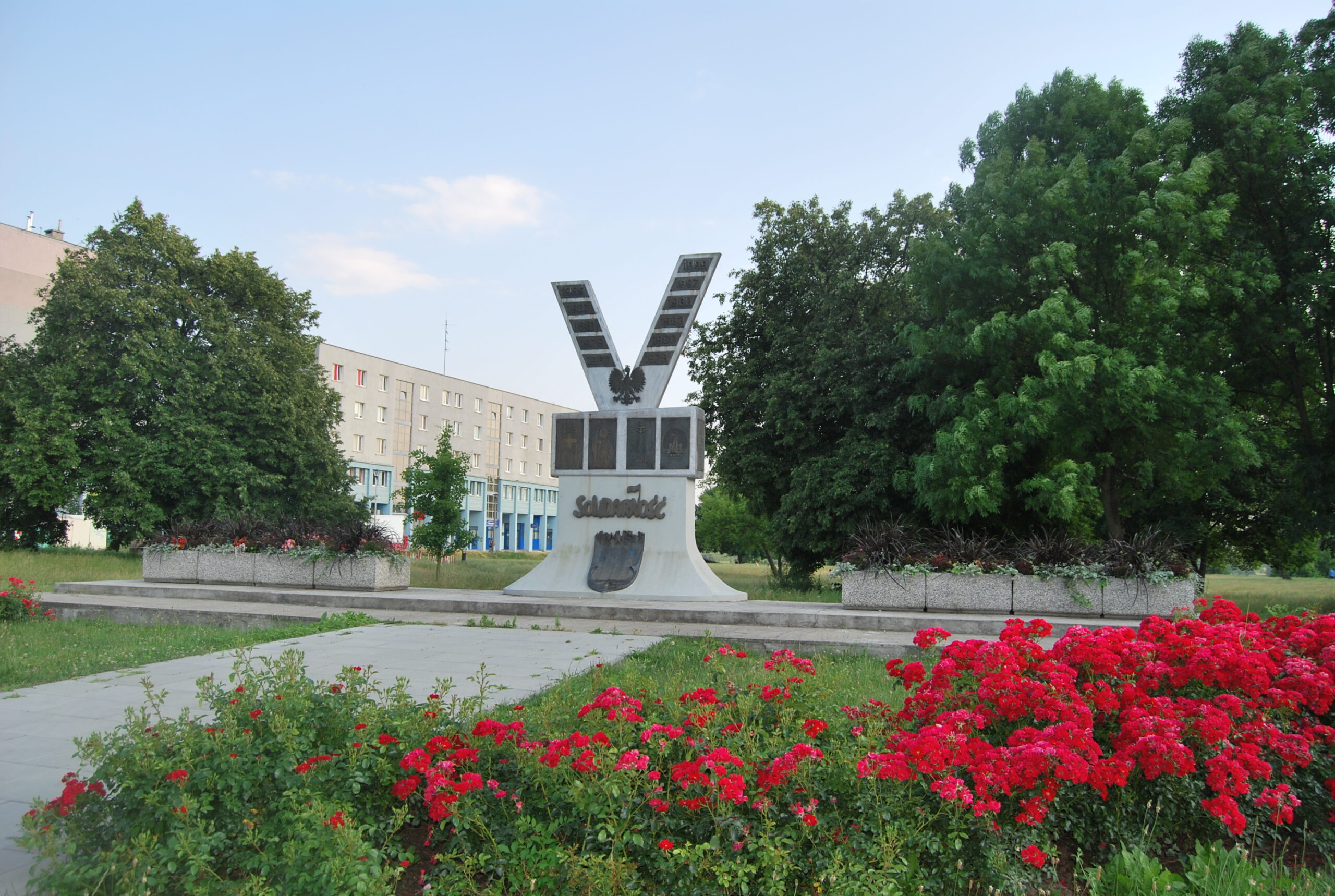
At the nearby steelworks, nearly forty thousand people were once employed – the industrial heart of Poland. It was also here, among sparks and steel, that the Solidarity movement grew strong. More than thirty thousand workers joined the movement despite intimidation, persecution, and censorship. Nowa Huta became one of the strongest bastions of Poland’s fight for freedom – proof that even a city built for obedience could become a place where independence burned brightest.
Guided Tour of Nowa Huta – Traces of a Communist Dream
A visit to Nowa Huta is a journey through layers of history – from ideological utopia to human reality. During our guided walk, we explore:
- Plac Centralny – the heart of the city, defined by radiant symmetry and monumental porticoes, where the dream of a socialist future began.
- Aleja Róż (Rose Avenue) – once planned as a grand parade boulevard; today lined with cafés, trees, and memories. This was also the site of Poland’s largest statue of Lenin, now removed and relocated to High Chaparral Park in Sweden.
- The Church of the Lord’s Ark (Arka Pana) – an architectural miracle and a powerful symbol of faith in an age of enforced unbelief.
- The PRL Museum (Museum of the Polish People’s Republic) – located in the former Światowid cinema, revealing the absurdities and everyday realities of life under communism.
- The Steelworks (Kombinat) – the colossal industrial complex that once embodied Poland’s socialist ambitions, its silhouette still dominating the horizon.
Nowa Huta Today – A City of Contrasts
Today, Nowa Huta is experiencing a quiet revival. Historic housing estates are being renovated, parks are blooming, and artists, photographers, and guides are rediscovering the district with curiosity and respect. Cafés furnished in communist-era style are filled with young voices, theatre groups perform in concrete cultural centres, and the streets pulse with new life.
Nowa Huta is no longer the ideological symbol it once was. It has become a living monument to human resilience – to the ability to create meaning where meaning was meant to be erased. The city that was supposed to exist without God, tradition, and values became instead a stronghold of faith, dignity, and Solidarity.
Here, steel meets roses, concrete meets prayer, history meets the future. Nowa Huta is a chapter of Polish history that can be seen, felt, and understood – not through monuments alone, but through people. It is the city that was built to shape humanity, yet ultimately revealed what it truly means to be human. For a difficult legacy is still a legacy – and, like all the places we speak of, Nowa Huta is another layer in the city’s memory, where understanding and reconciliation may grow.