
Schindler’s Factory – History You Can Truly Experience
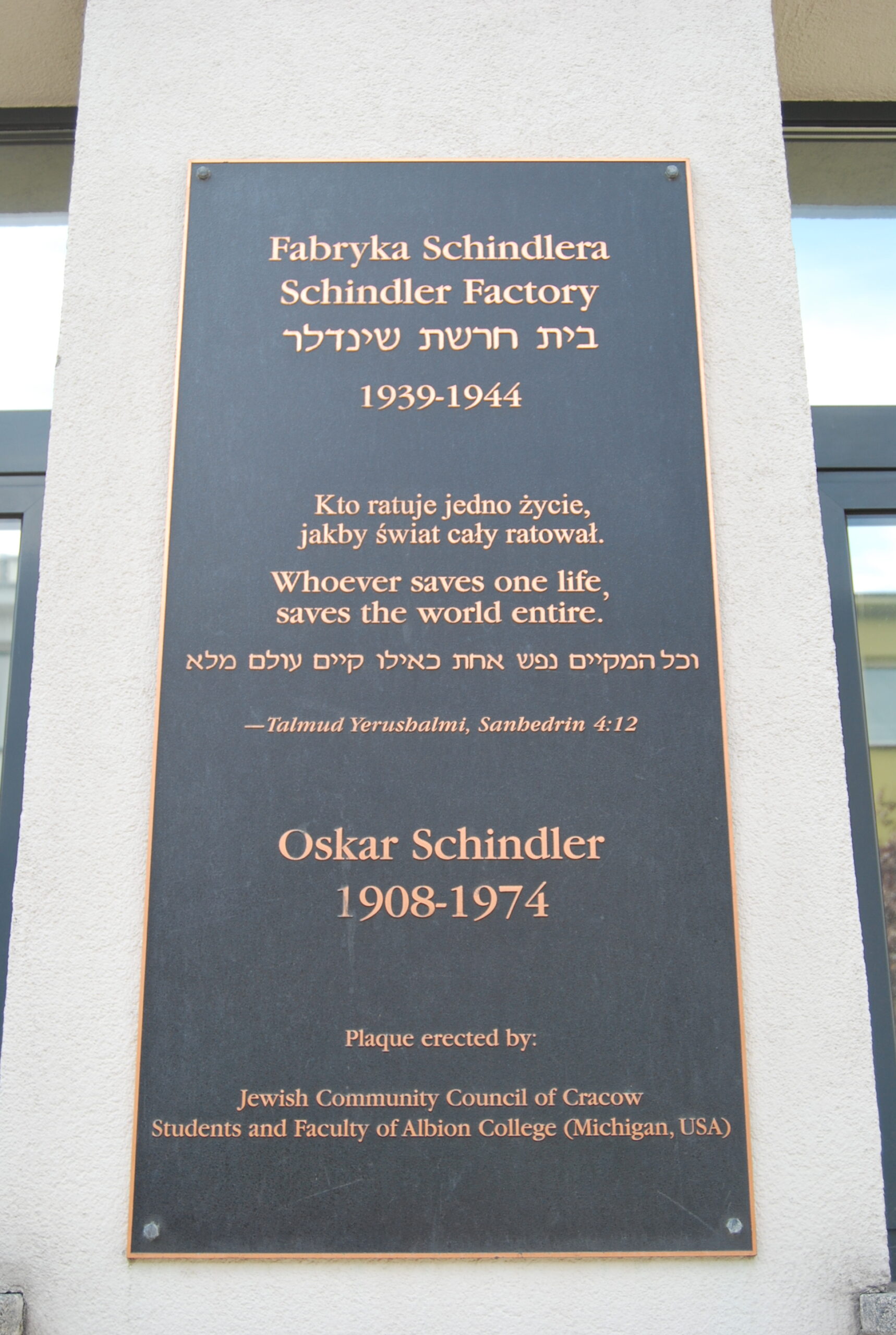
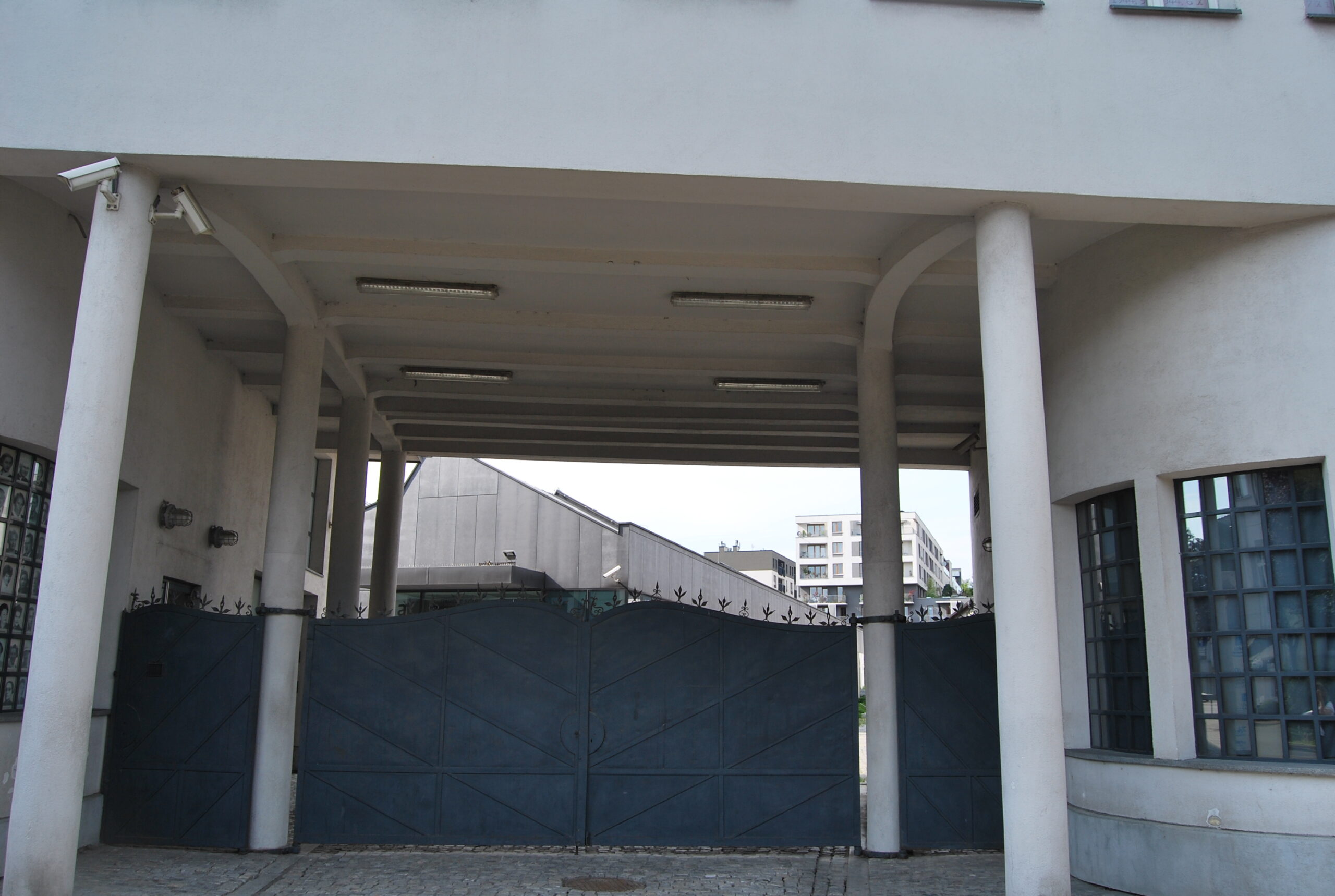
Among Cracow’s many museums, there is one that affects visitors in a way few others do. Schindler’s Factory – a name that evokes strong emotions, vivid images, and difficult questions. Located in the former enamelware factory in the Podgórze district, the museum is today one of the most visited sites in the city. It is not merely a museum – it is a story of human dignity in the darkest chapter of Europe’s history.
A Nazi Who Changed His Path
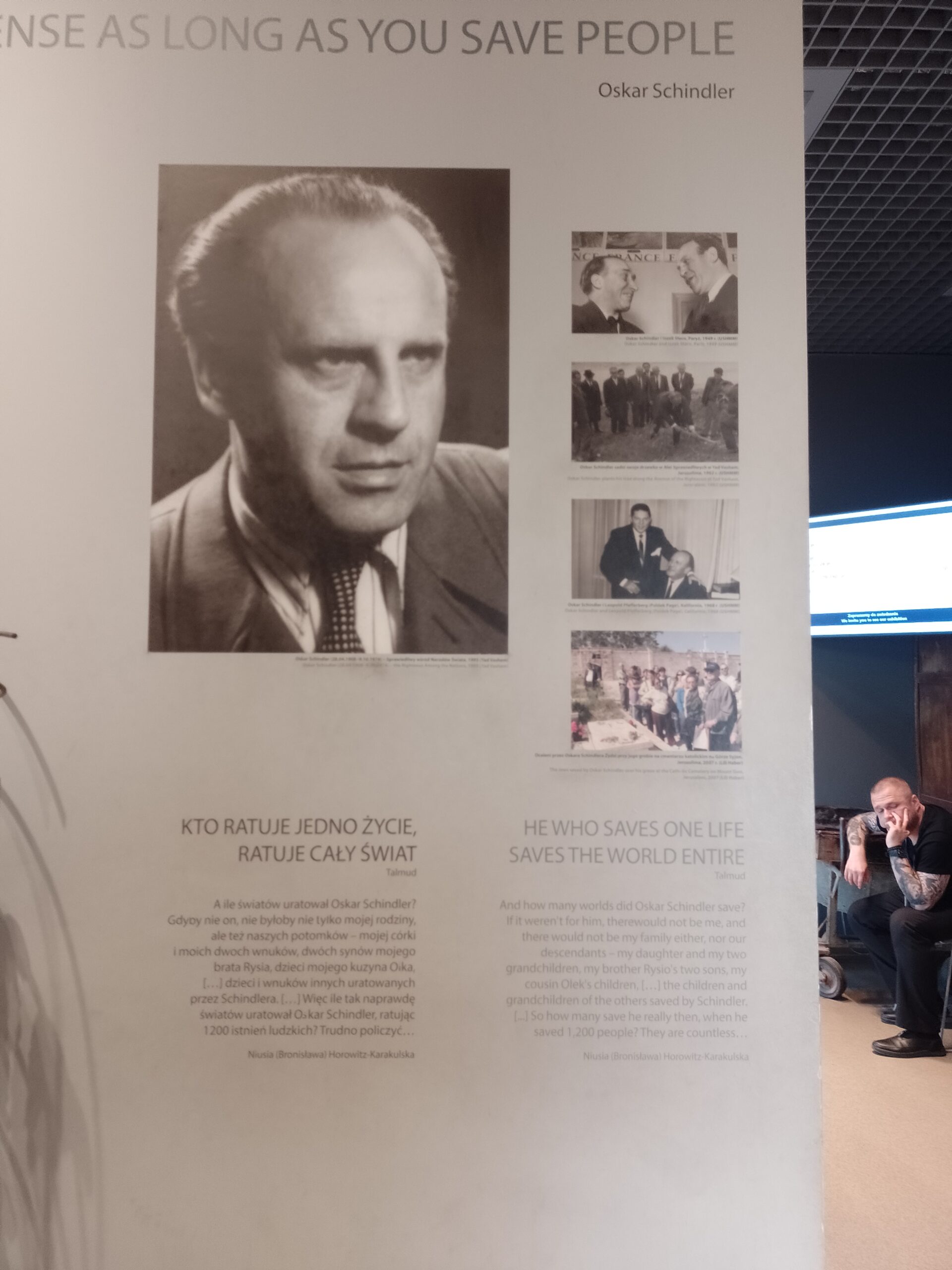
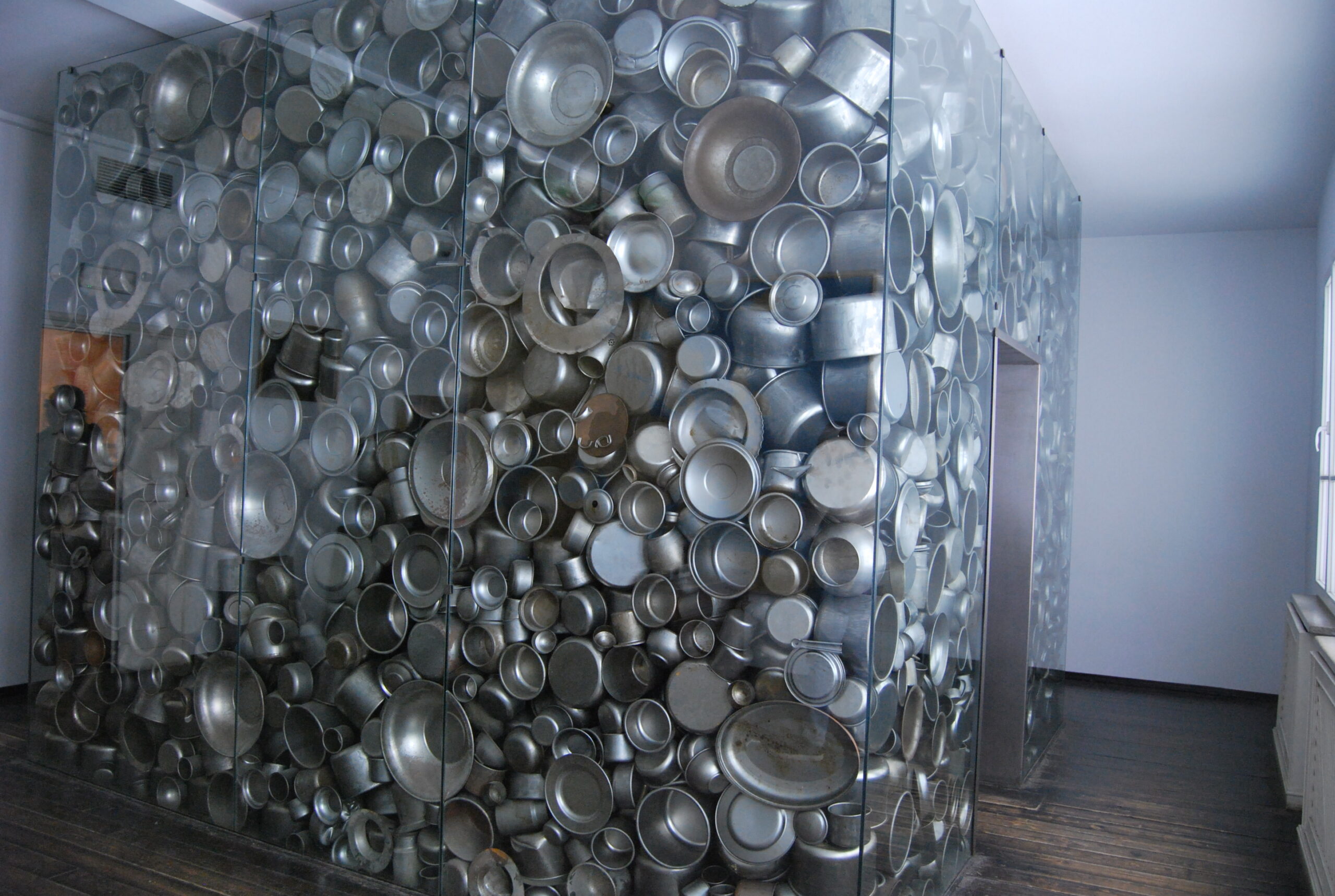
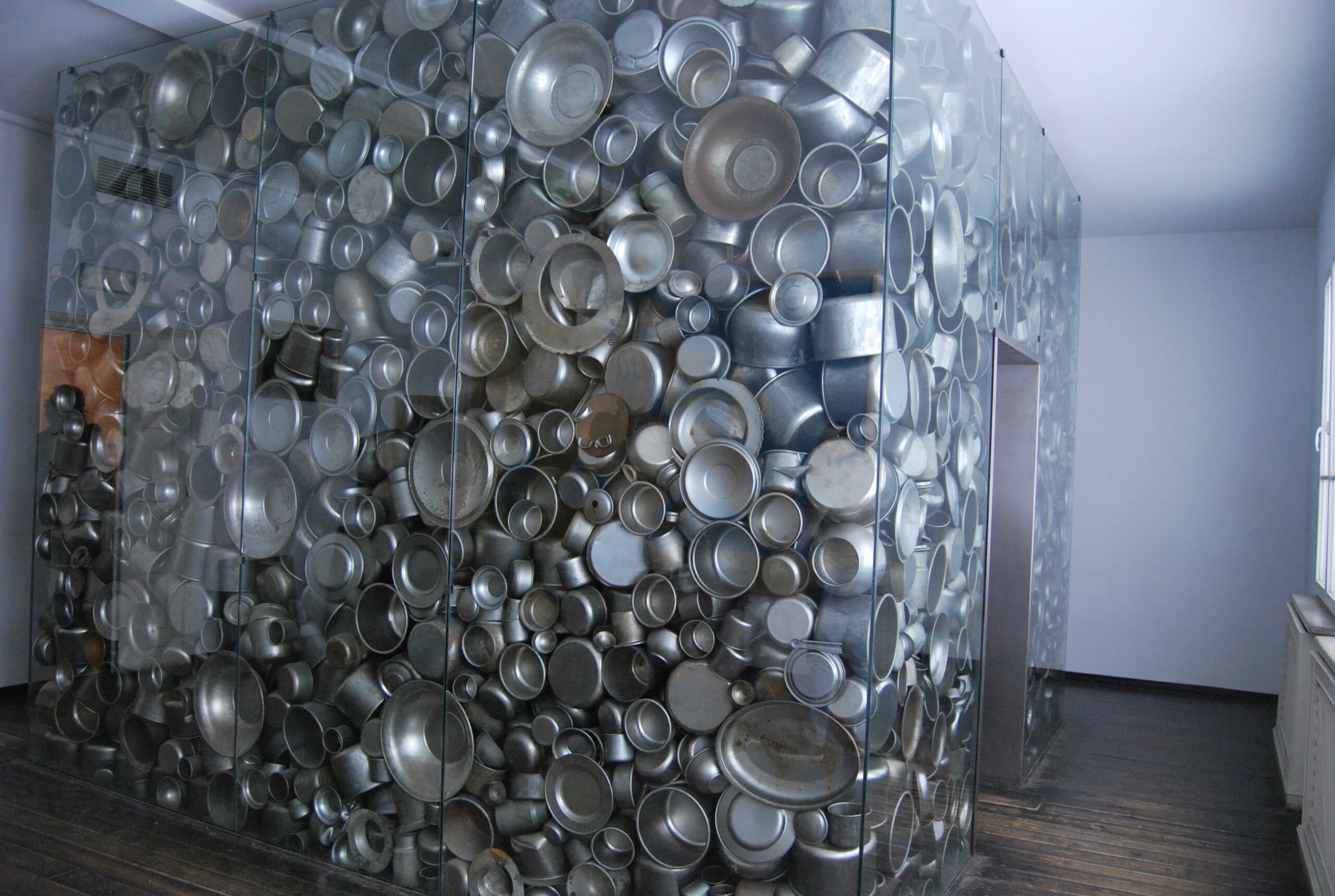
When Oskar Schindler arrived in Cracow in the autumn of 1939, he was a pragmatic businessman and a member of the Nazi Party. He took over a factory previously owned by Jewish entrepreneurs – Deutsche Emailwarenfabrik – and began producing enamelware for the German army. His workforce was drawn from the Jewish ghetto in Cracow, and at first his motivations were primarily economic.
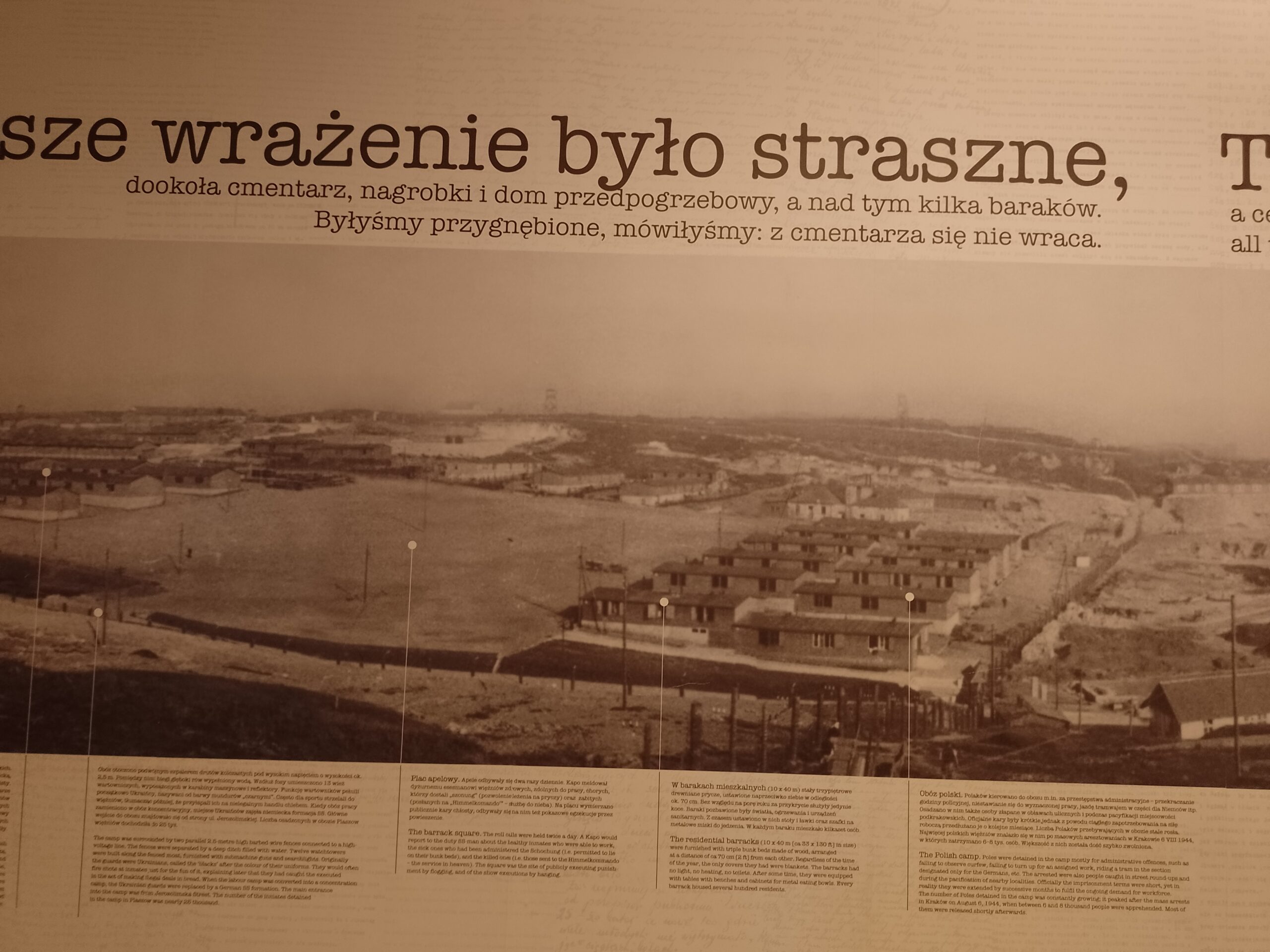
Over time, however, something changed. When the ghetto was liquidated in 1943 and its inhabitants were sent to the labor camp in Plaszow, Schindler witnessed firsthand what was unfolding. Using his contacts, resources, and position, he began to protect his Jewish workers – first by employing them in his factory, later by establishing a subcamp where they could live in relative safety.
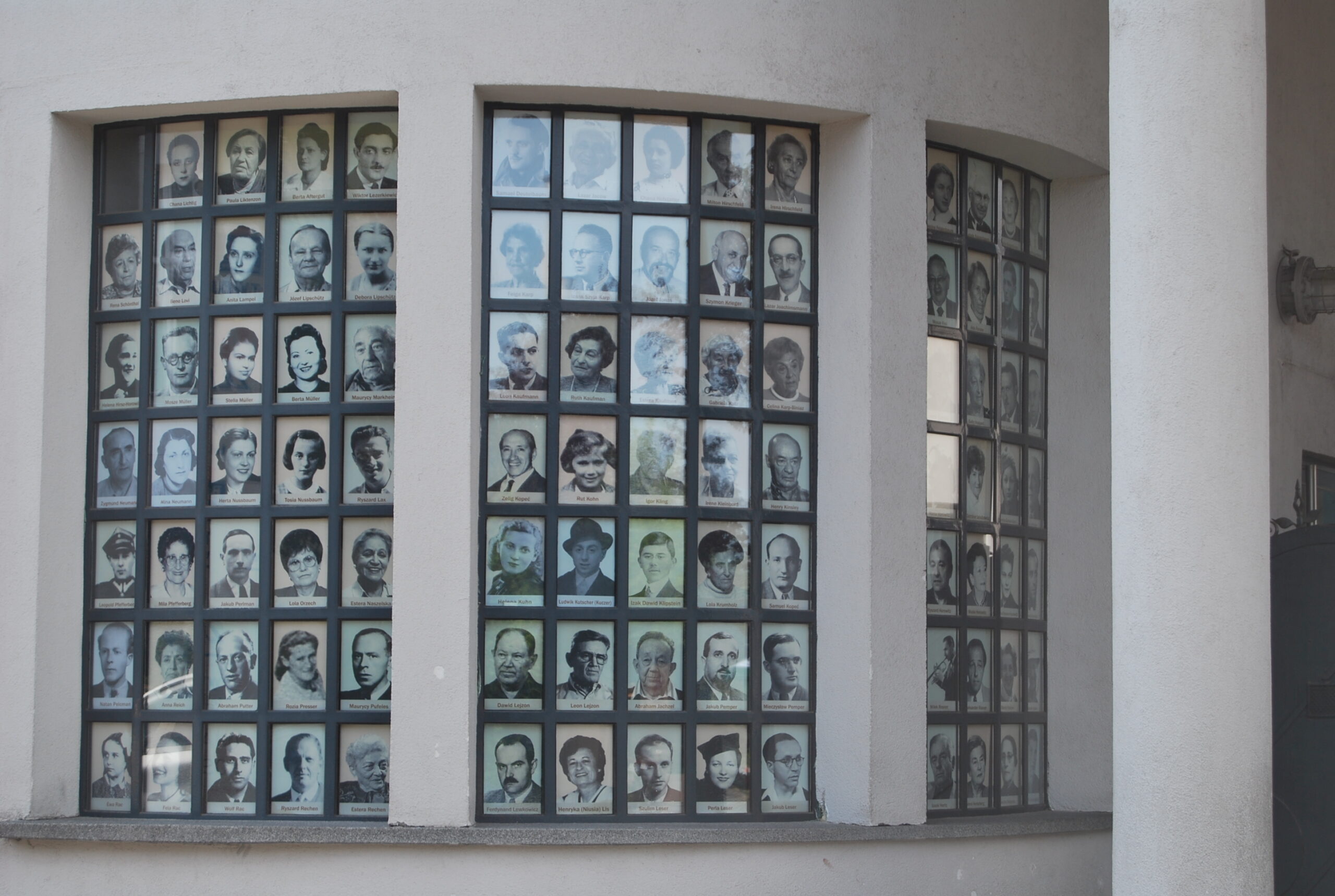
In 1944, as the Nazis attempted to erase evidence of their crimes and began deporting the remaining Jews from Plaszow and its subcamps to Auschwitz, Schindler and his associates compiled the now-famous lists containing more than 1,200 names. These men and women were transferred to his new factory in Brünnlitz, in what is today the Czech Republic, where they survived the war. One man’s courage saved over a thousand lives.
From Reality to Symbol – Film and Museum
Schindler’s story later became known worldwide through the film Schindler’s List, Steven Spielberg’s masterpiece, partially filmed in Cracow. The film turned Schindler into a symbol of human goodness in a time of evil. Yet the place where these events actually occurred – the factory on Lipowa Street – tells the story in a different way. Here, it is not film music or actors that speak, but the walls themselves.
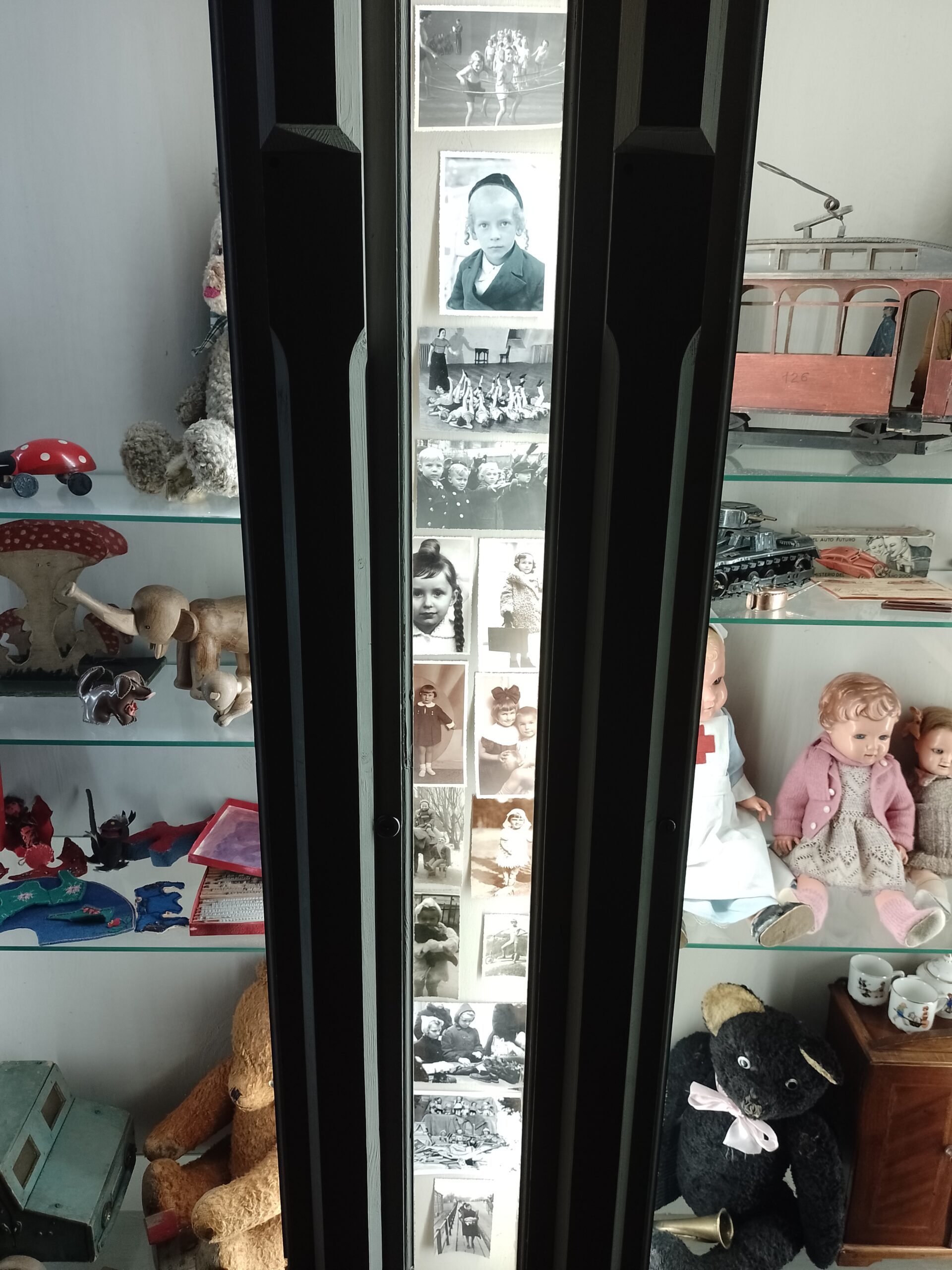
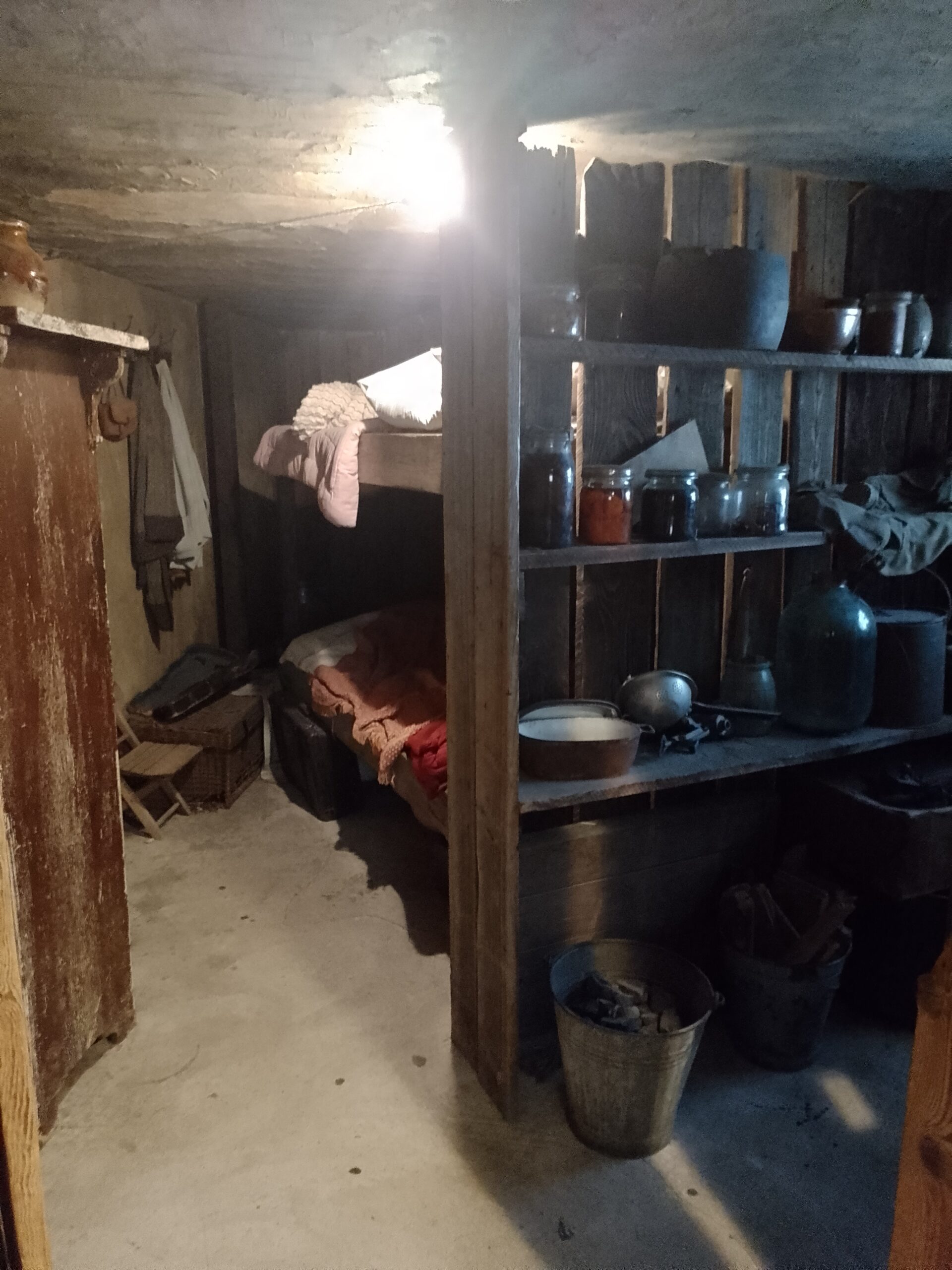
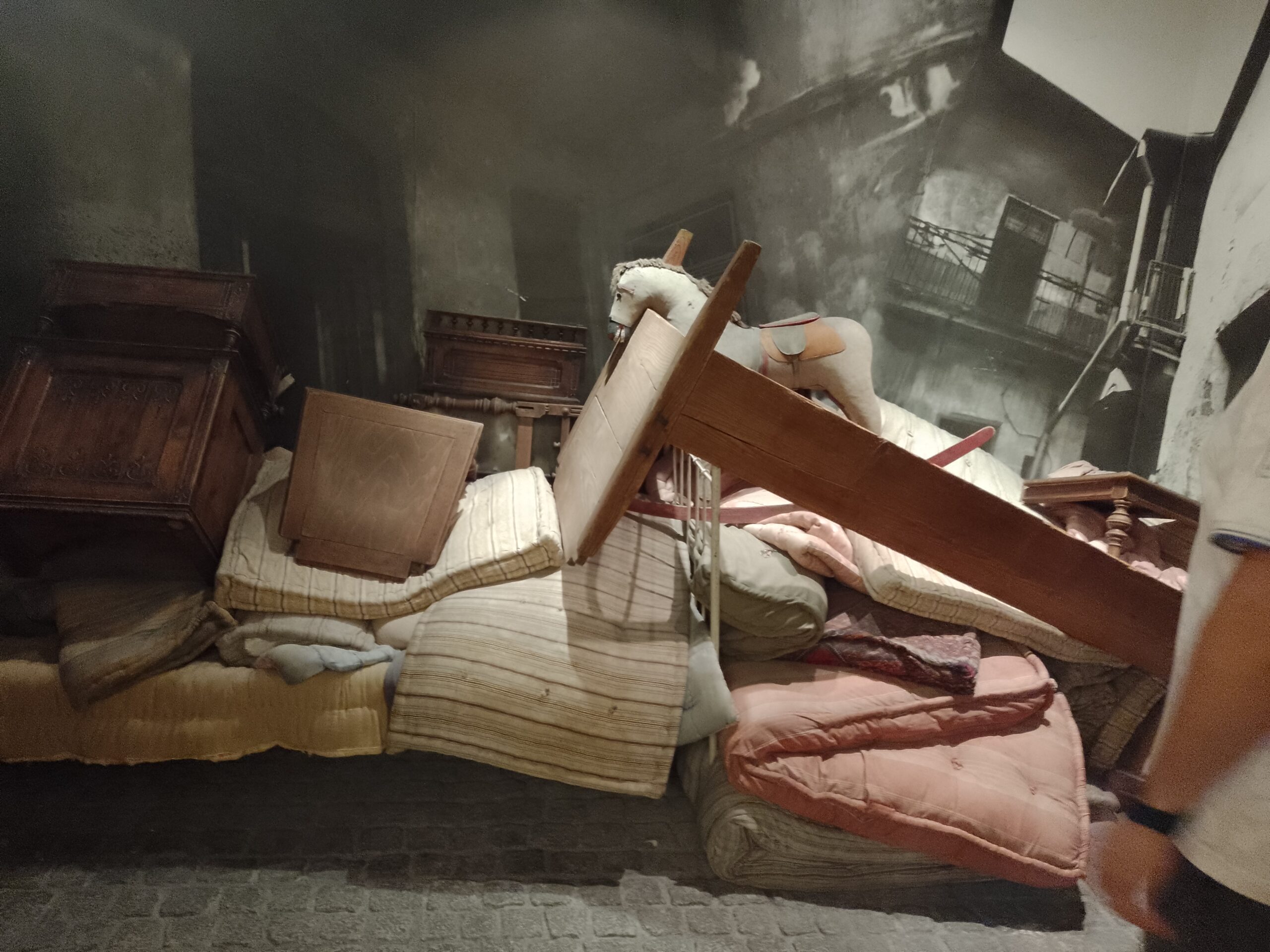
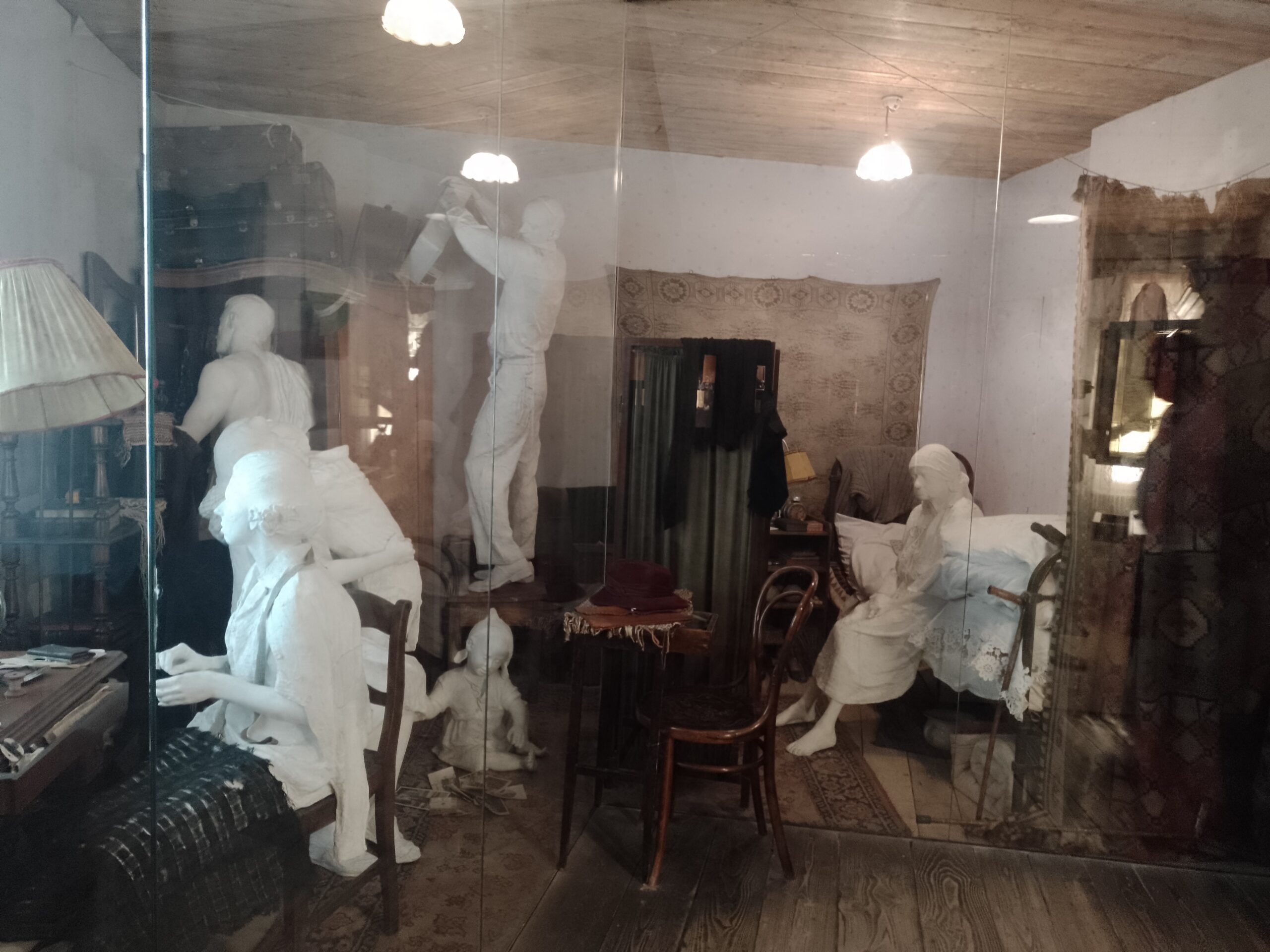
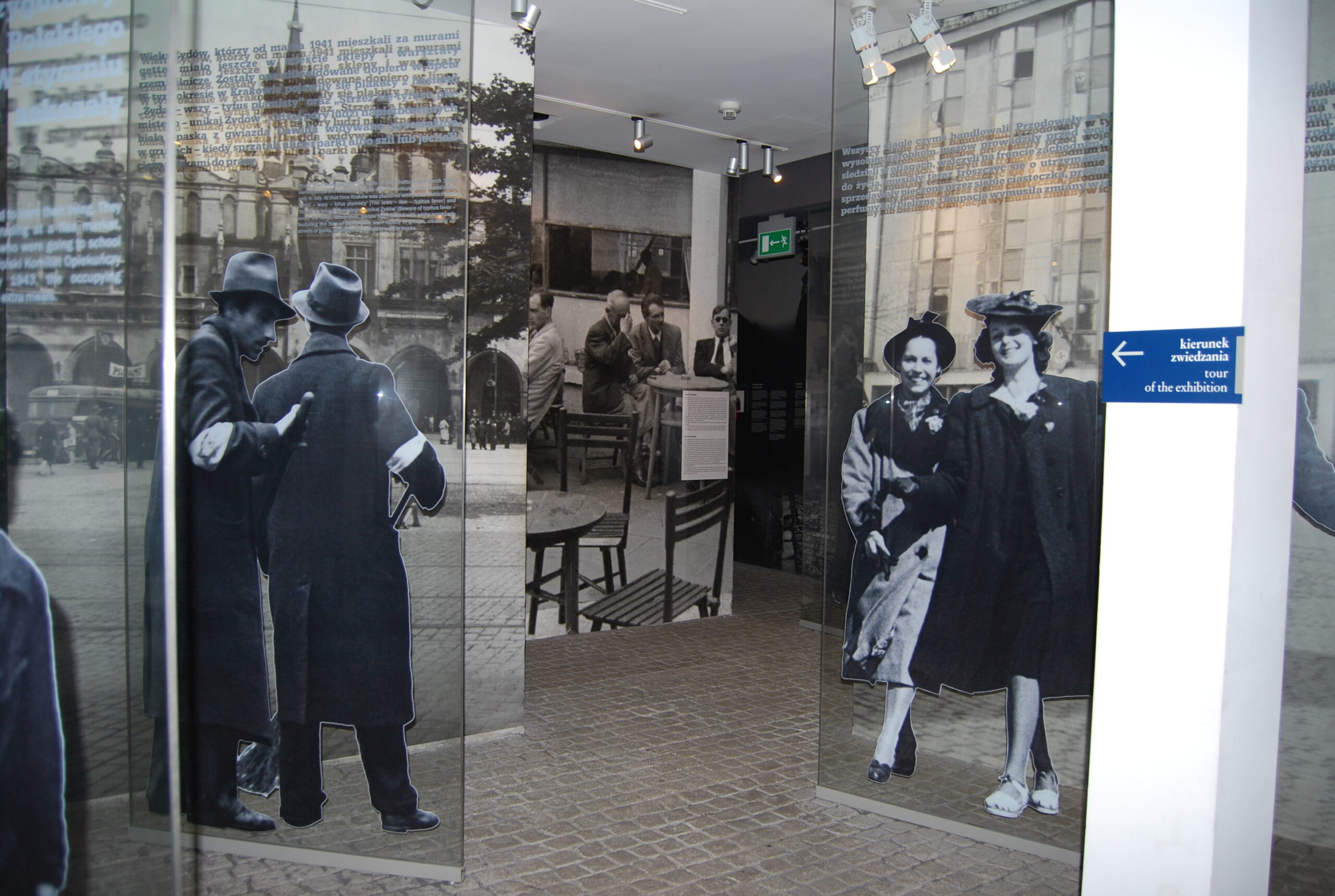
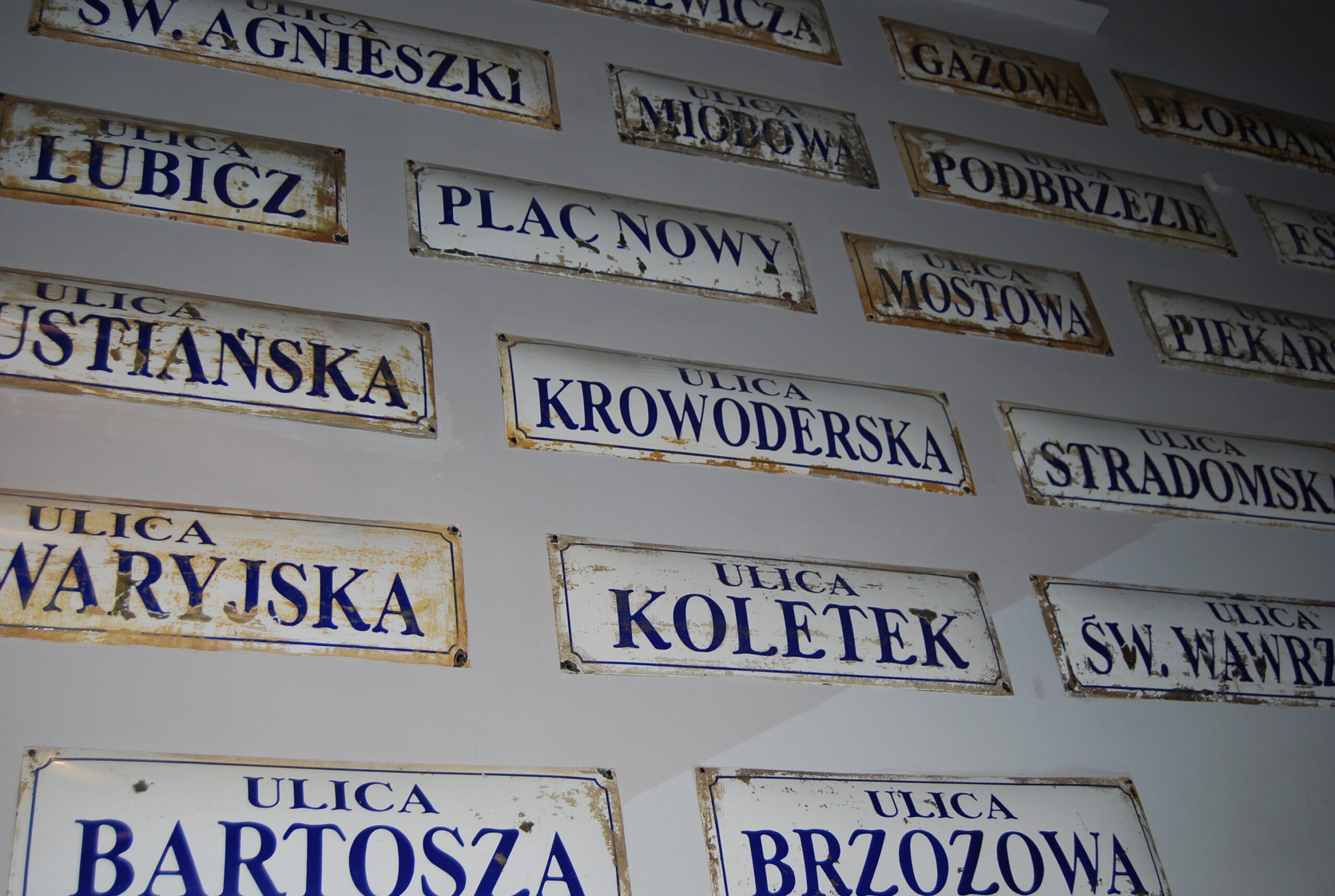
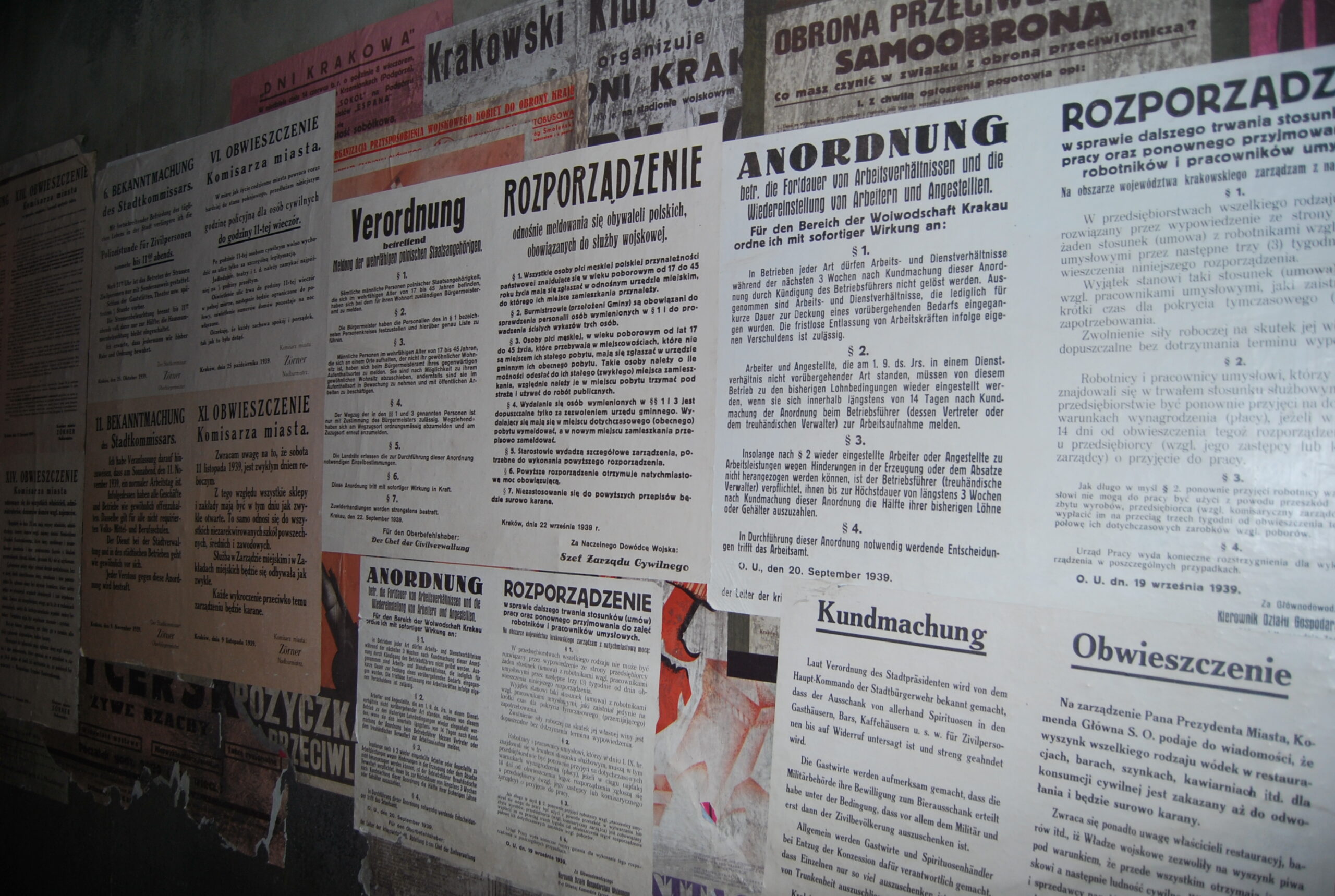
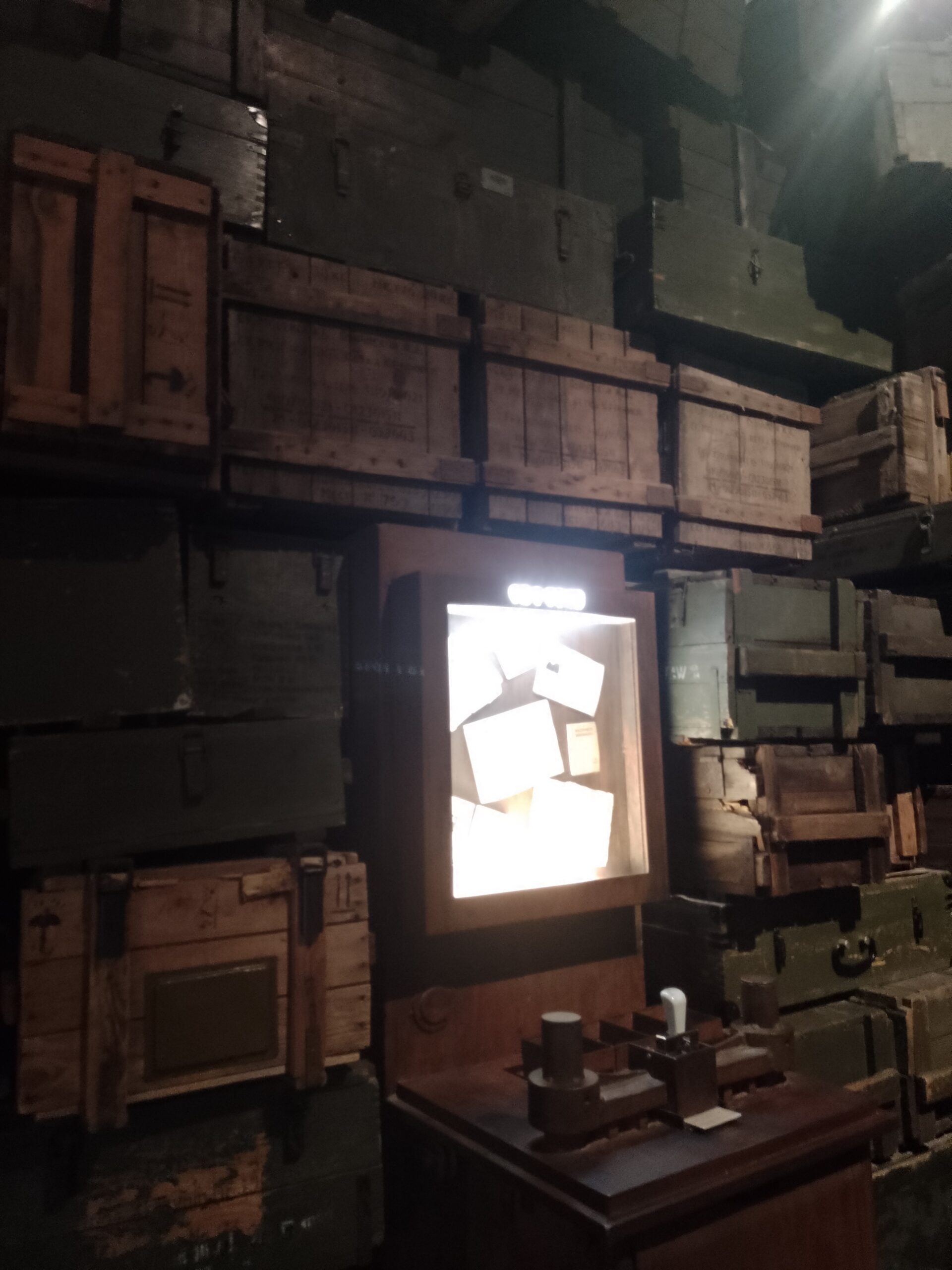
Since 2010, the factory has housed a permanent exhibition entitled “Cracow under Nazi Occupation 1939–1945.” It tells not only Schindler’s story, but that of the entire city and its inhabitants during the war – Poles, Jews, and Germans alike. Visitors move through carefully reconstructed spaces: cobbled streets, offices, apartments, schools, and shops. Sound, light, and authentic objects create the feeling of stepping back in time. We follow Cracow’s fate from the German invasion to liberation in 1945 – from daily struggle, through terror and resistance, to survival and mourning.
The exhibition presents three intertwined perspectives:
- The Polish perspective – resistance, courage, and the tragic consequences faced by those who helped Jews.
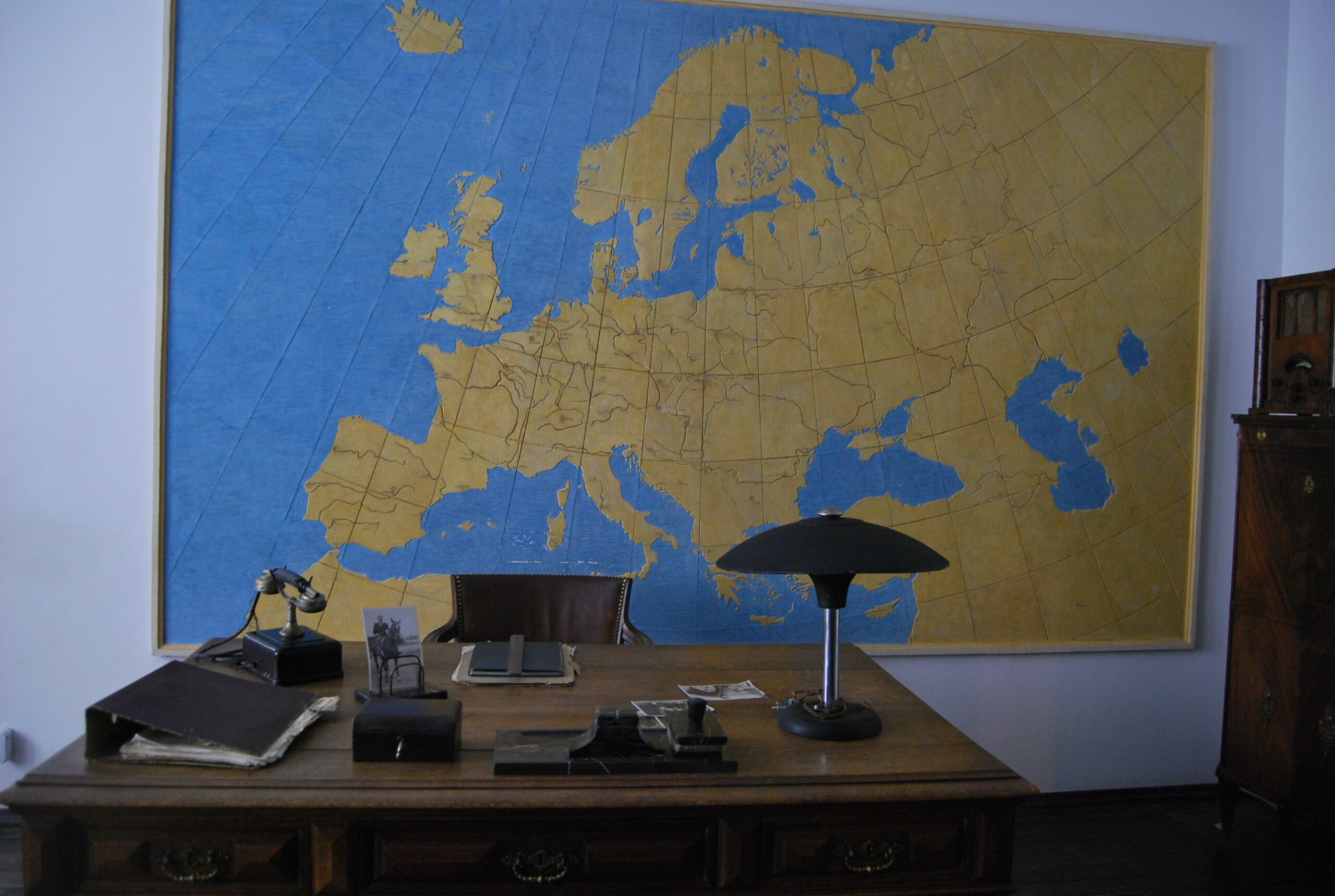
- The German perspective – Cracow as the capital of the so-called General Government, the administrative centre of Nazi-occupied Poland.
- The Jewish perspective – the destruction of Jewish life in Cracow, from the ghetto to the camps of Plaszow and Auschwitz.
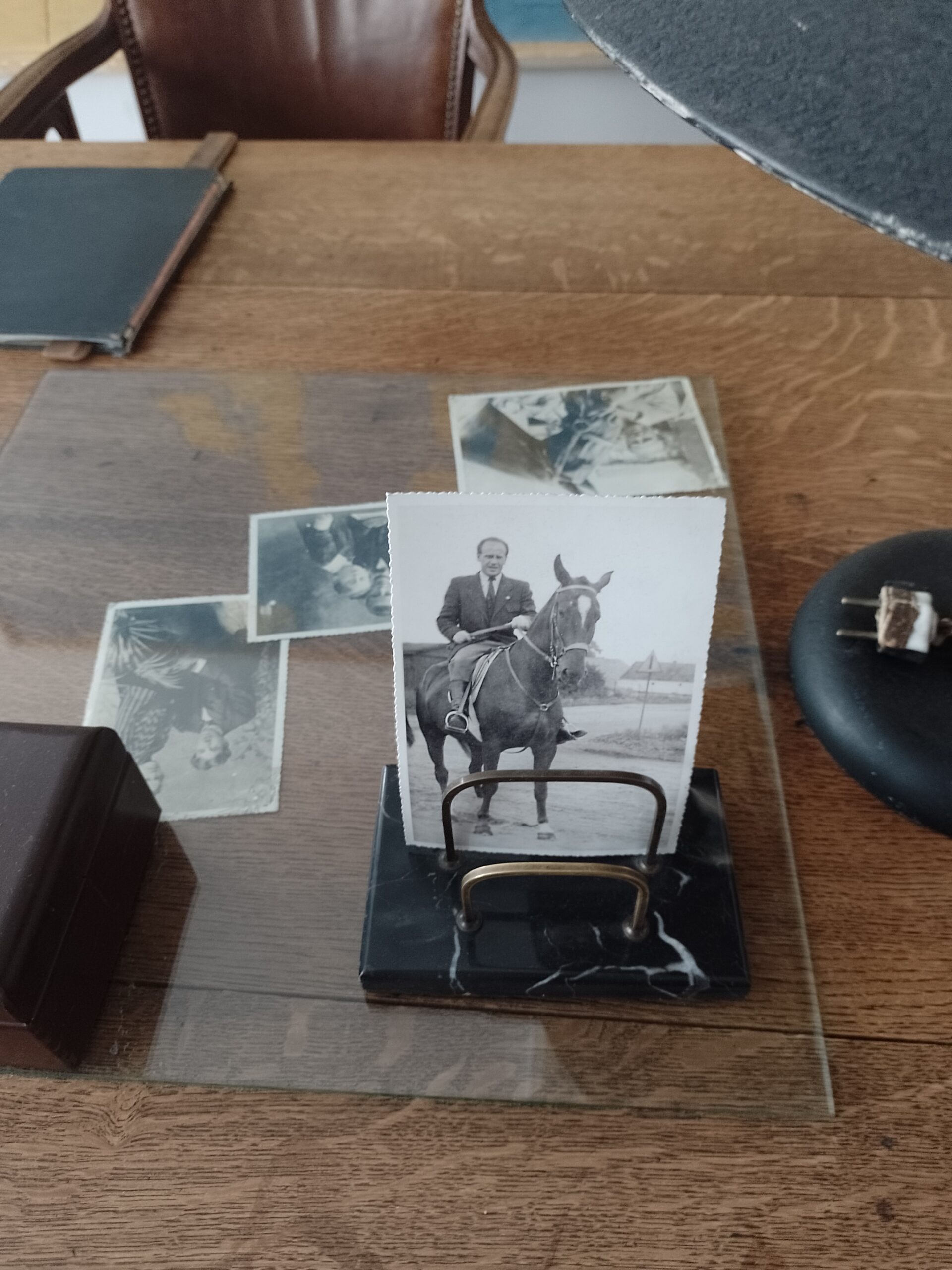
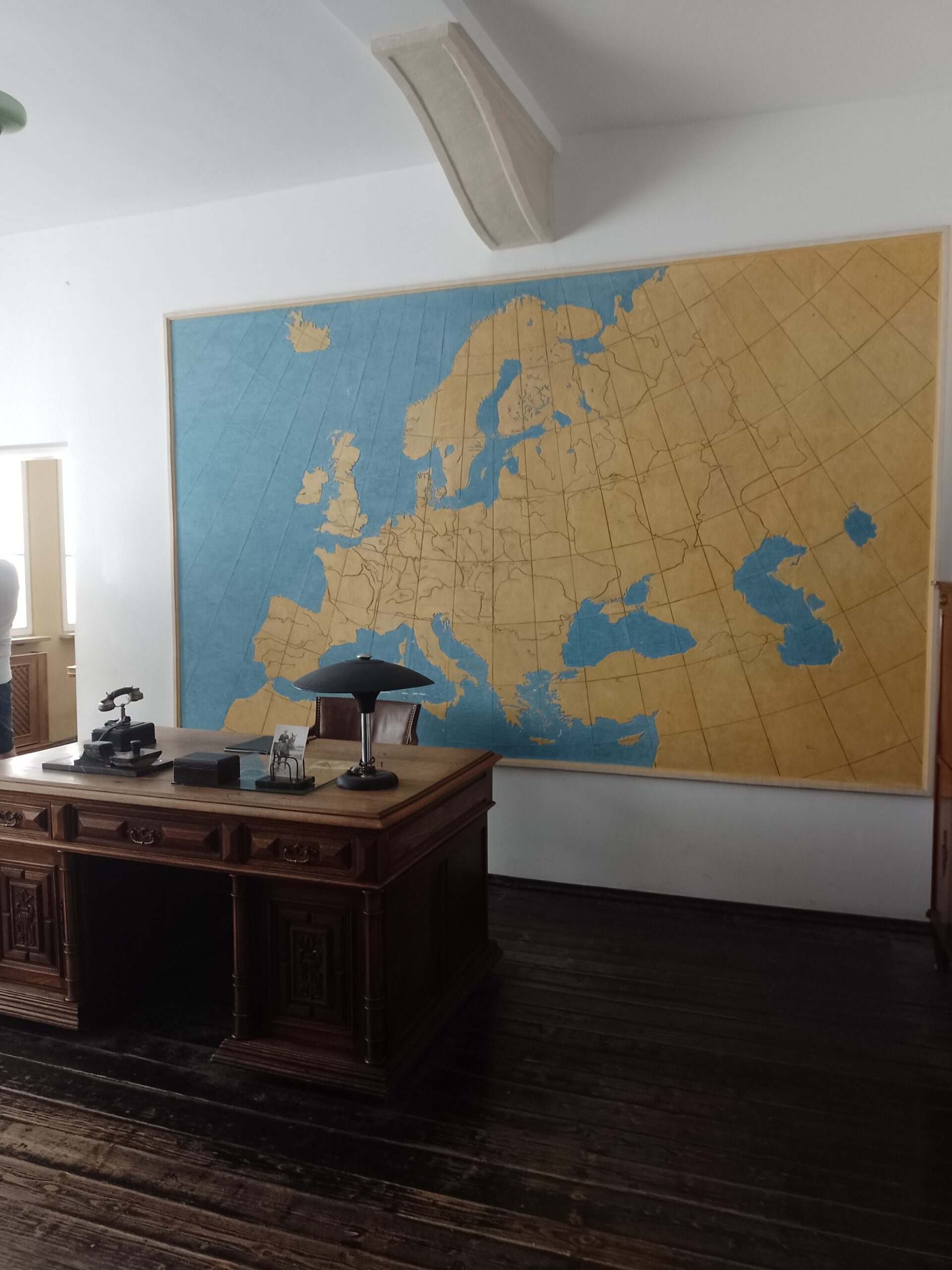
In one of the rooms, Schindler’s office has been reconstructed in its original form – a quiet memorial to a man who dared to say no.
A Place of Memory and Reflection
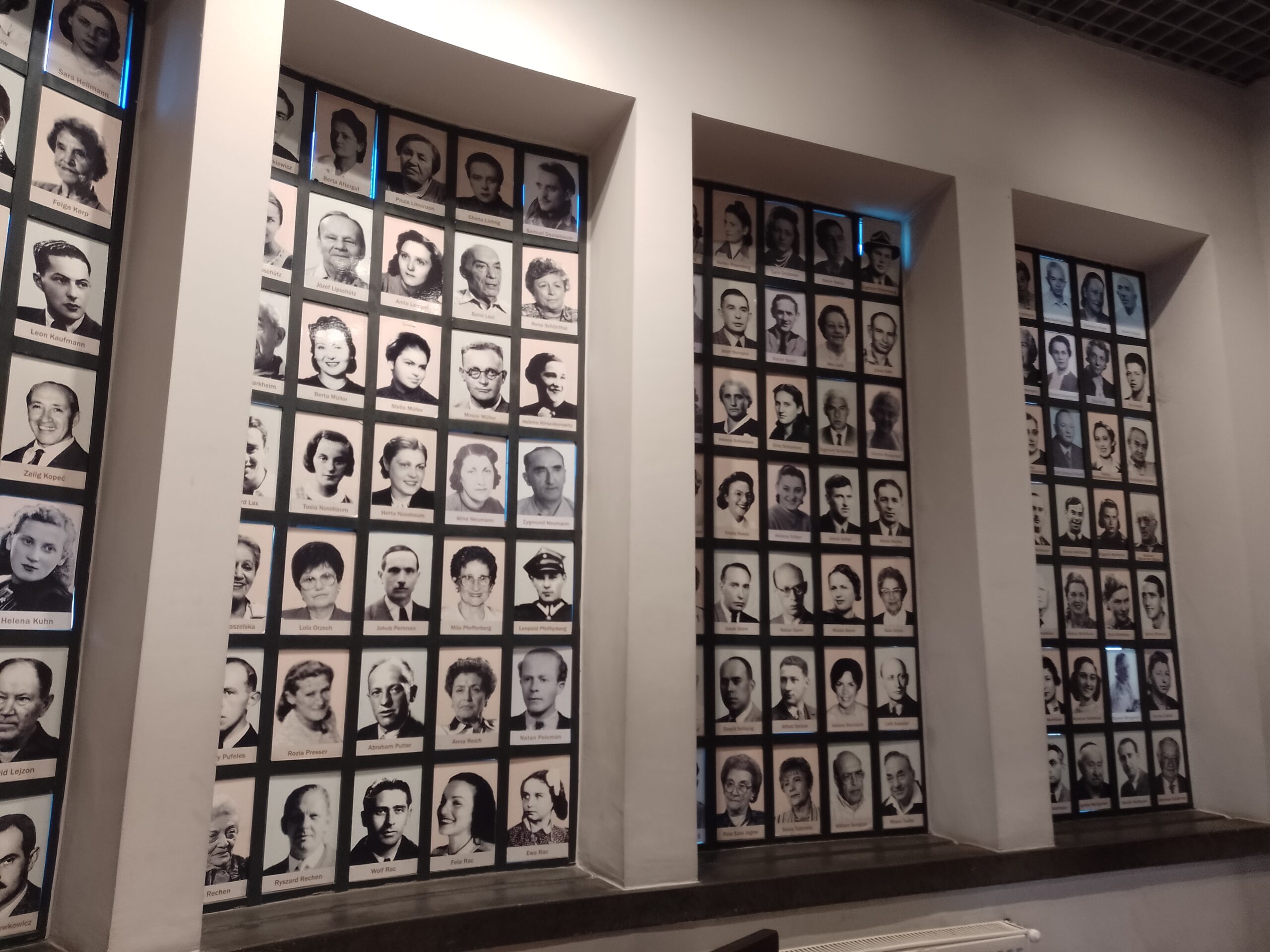
Schindler’s Factory is more than a historical exhibition. It is a space for reflection – a place where one pauses and listens to voices that were silenced. Photographs, documents, and personal stories carry a weight that words alone cannot fully convey. The museum reminds us that history is not distant. It exists in the cities we walk through, in the buildings that remain, and in human memory. A visit here is deeply moving – quiet, powerful, and lasting.
Practical Information
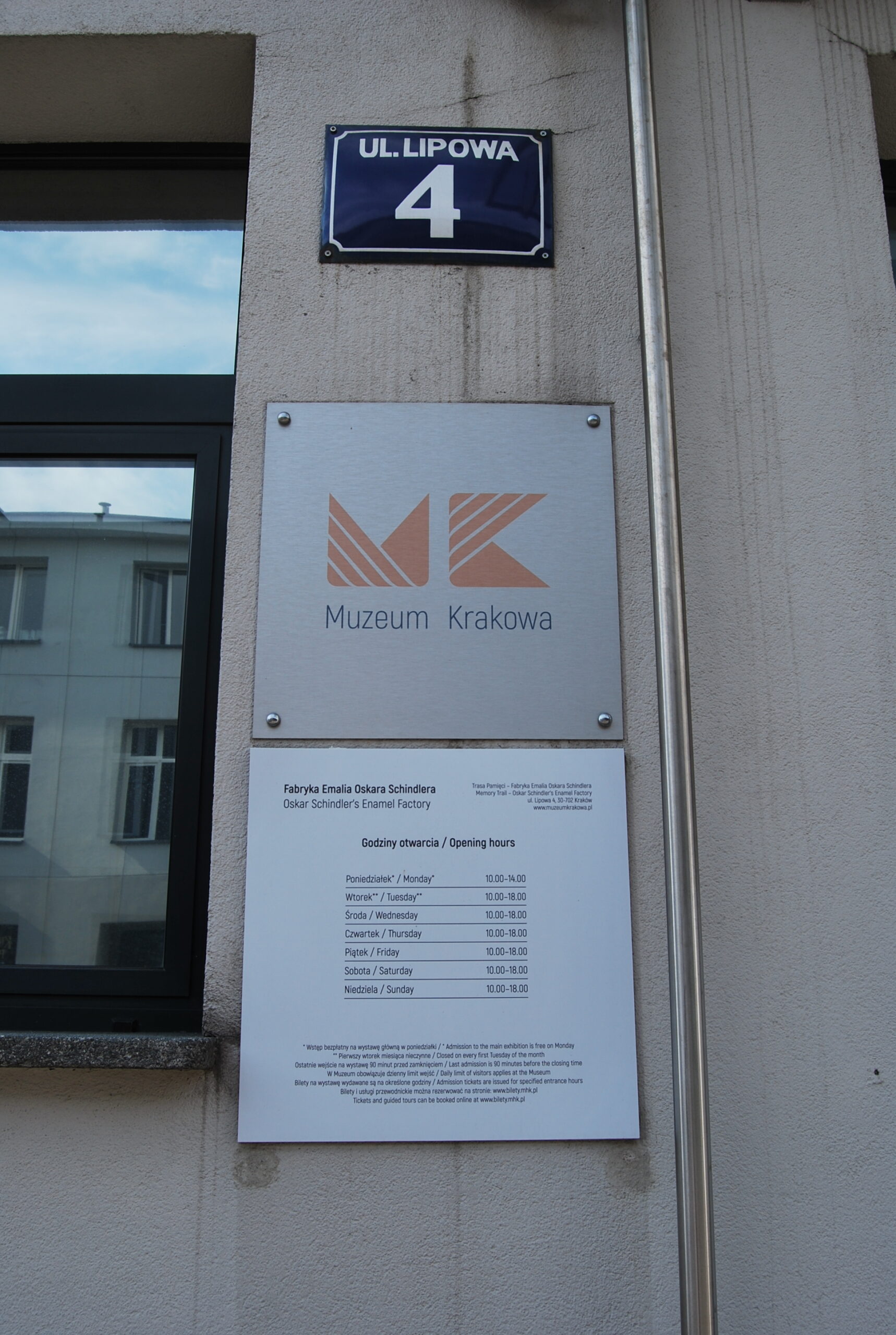
- 📍 Address: Lipowa 4, Podgórze district
- 🕓 Opening hours: Tuesday–Sunday, 10:00–19:00; Mondays, 10:00–14:00
- The museum is closed on the first Tuesday of each month.
- 🎟️ Admission is free on Mondays.
In the Footsteps of Schindler – Cracow’s Jewish Memory
A visit to Schindler’s Factory is often the beginning of a deeper journey through Cracow’s Jewish history. From the colourful Jewish quarter of Kazimierz, where Jewish life flourished for centuries, to Ghetto Heroes Square, where deportations began; through the streets of the former ghetto in Podgórze, and onward to the places where people struggled, hid, and survived.
To walk these paths is to honour both those who were murdered and those who dared to rescue others. For when one leaves the museum, with the sound of the door closing behind, it becomes clear that this was not merely history. It was people. People like us.