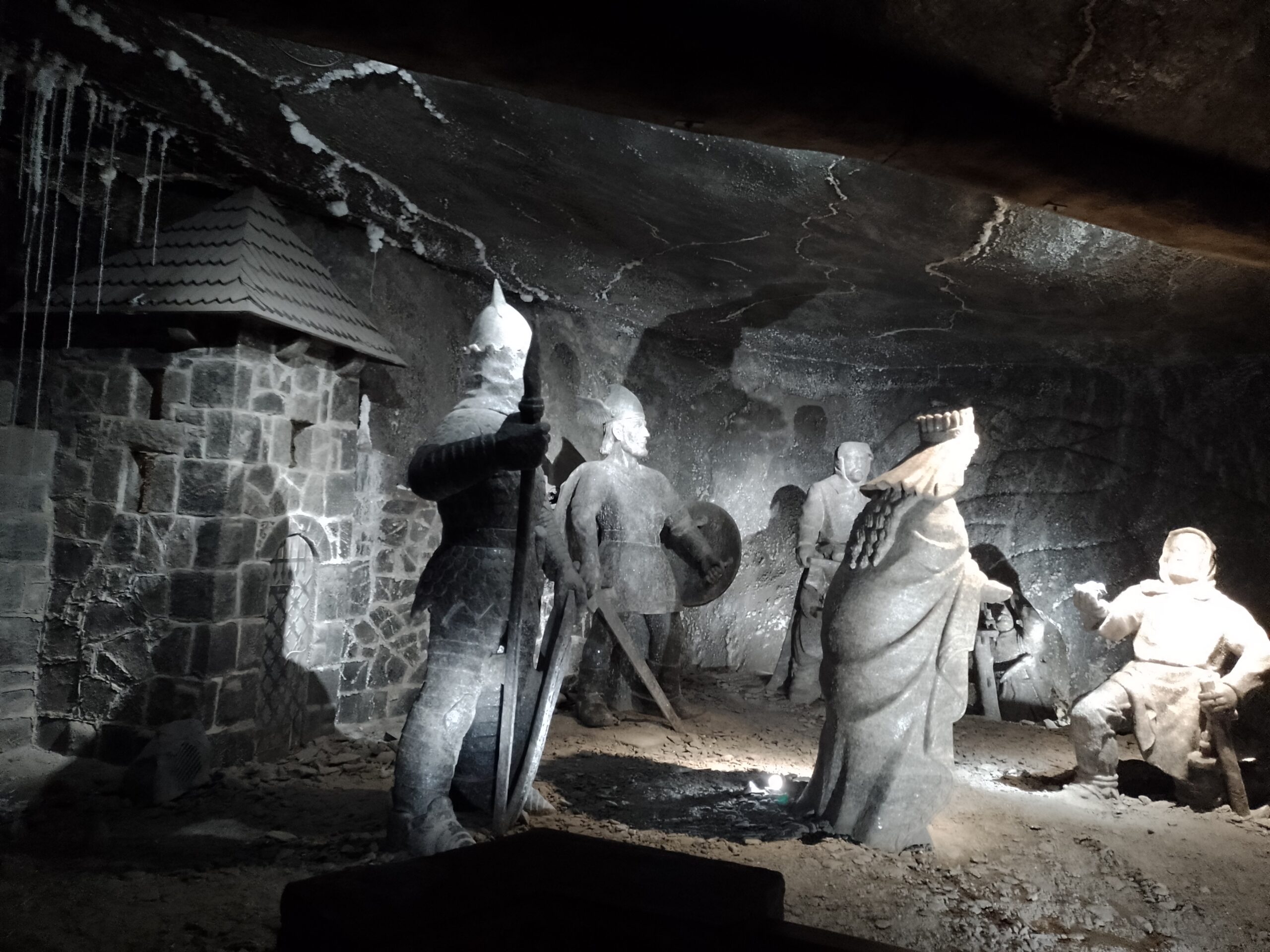

Wieliczka – Where the Sea Turned to Salt
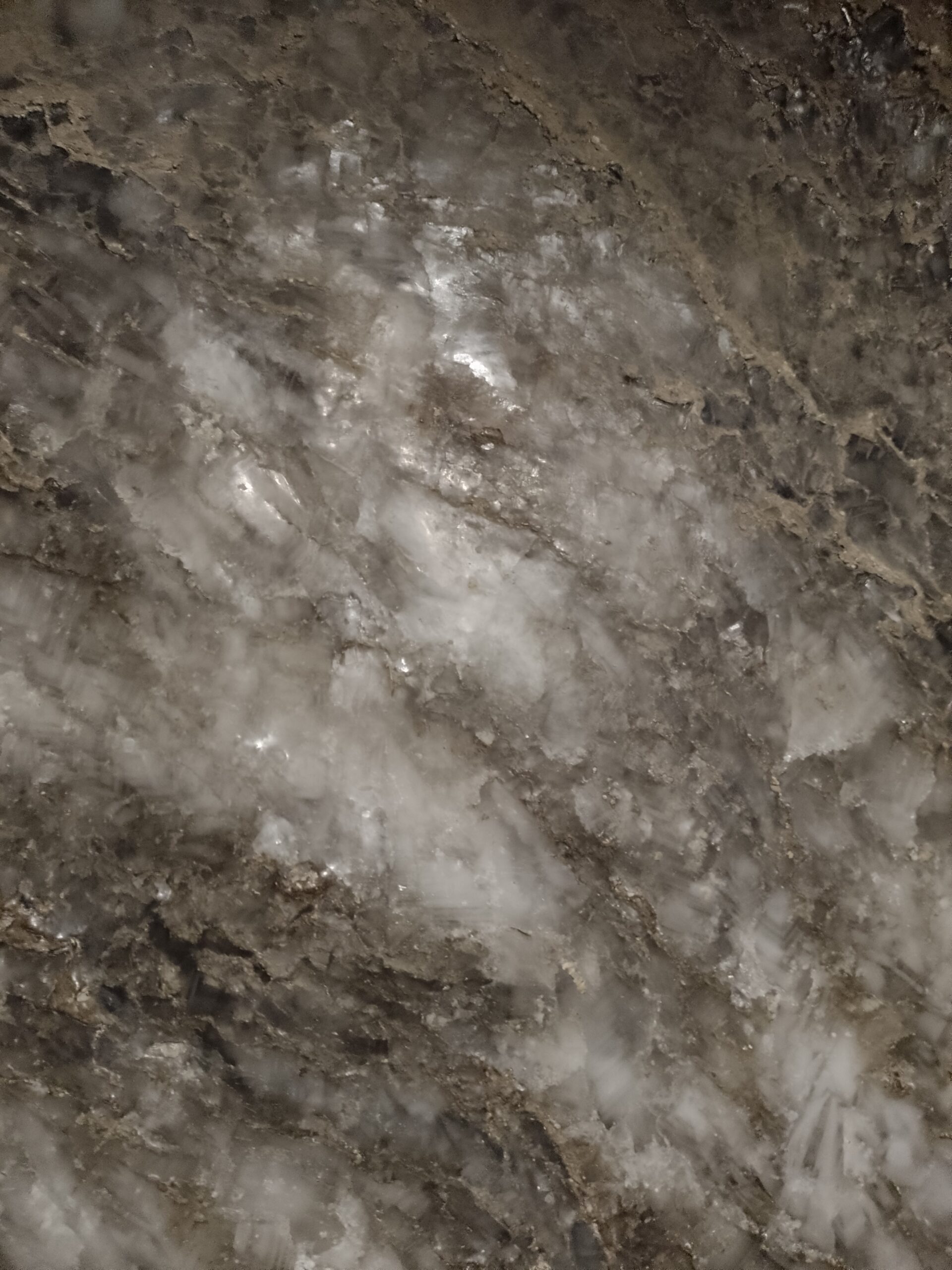
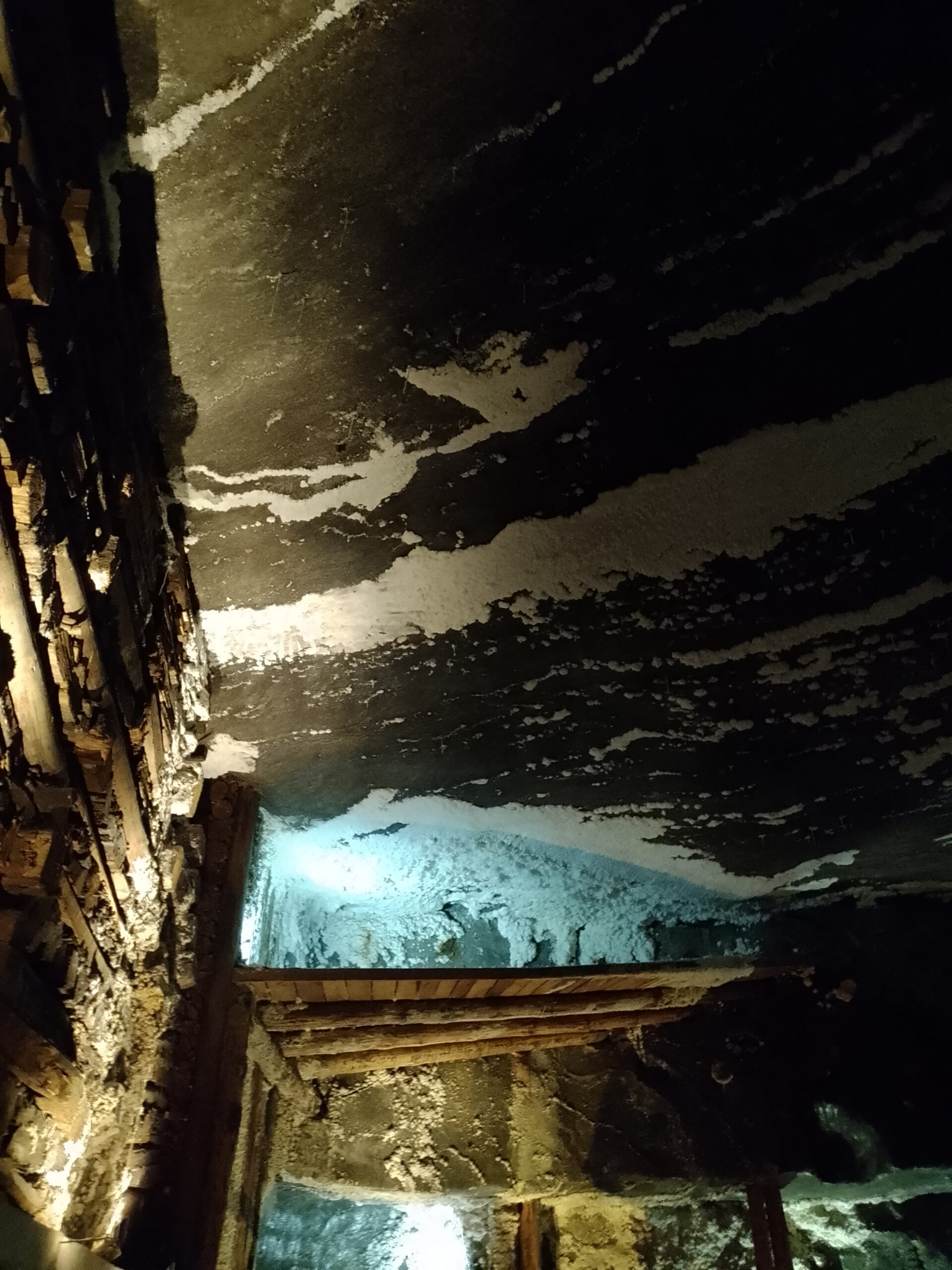
To descend into the Wieliczka Salt Mine is to travel not only into the depths of the earth, but also through millions of years of history. Beneath the gently rolling landscape of the town lie the remains of a vanished Miocene sea – the sea that once covered much of southern Poland. We walk along its ancient seabed, where the waves have long fallen silent, yet the salt of the sea still glimmers in the walls.
When the Earth Was Young
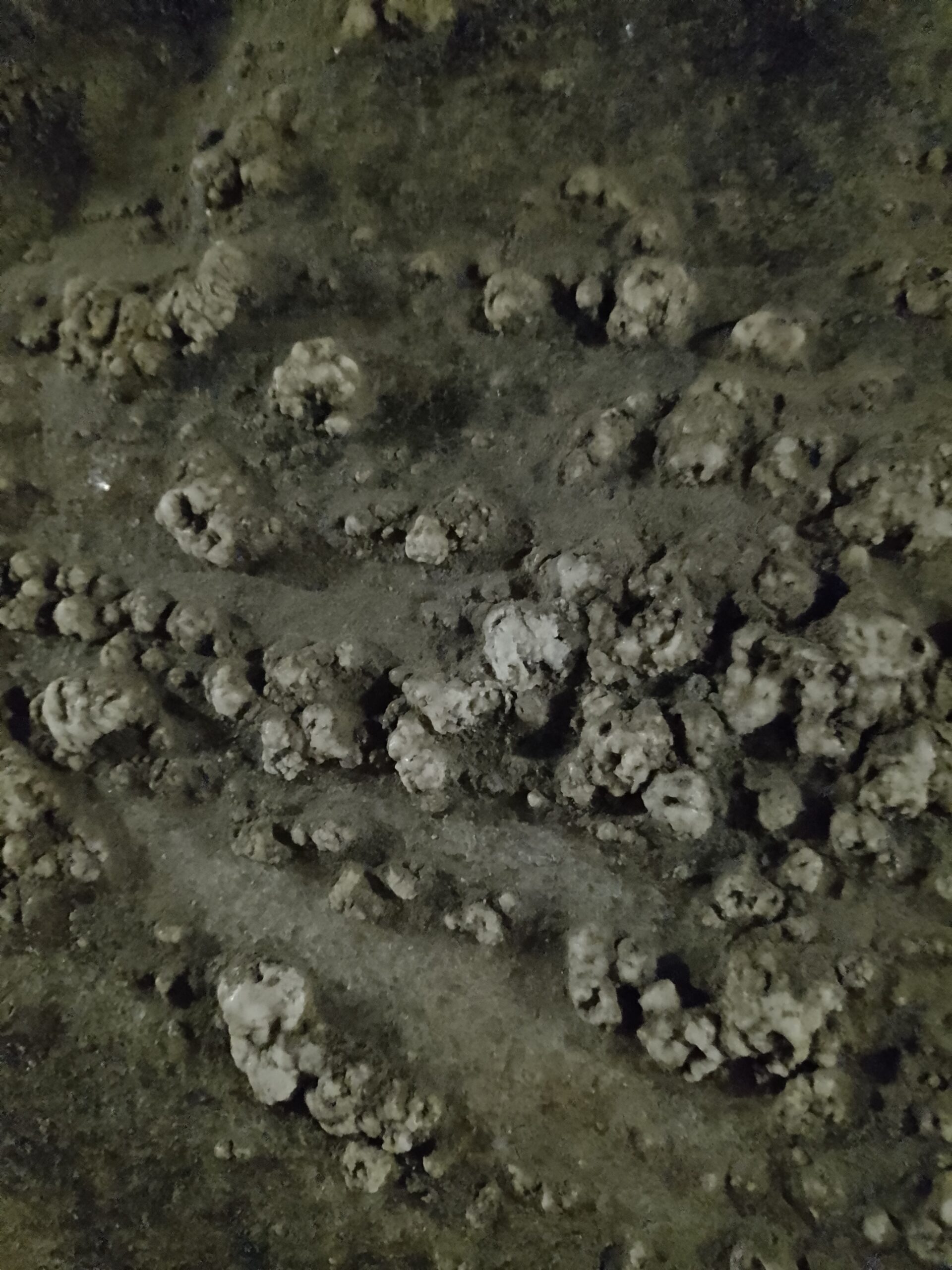
Around 13 million years ago, during the Miocene epoch, the area of today’s Cracow and Wieliczka was covered by a warm, shallow sea. The climate was tropical, and the waters were rich in minerals and living organisms. As the climate changed and temperatures rose, the water slowly evaporated. What remained were vast deposits of salt, laid down in layers that became silent witnesses to the passage of time.
Later came the Alpine orogeny – the powerful geological forces that lifted the Carpathian Mountains and pushed the salt-rich layers closer to the surface. Over millions of years, an underground world of crystals, chambers, and shimmering walls was formed – a hidden treasure that humans would discover only much later.
Neolithic Settlers and the First Salt
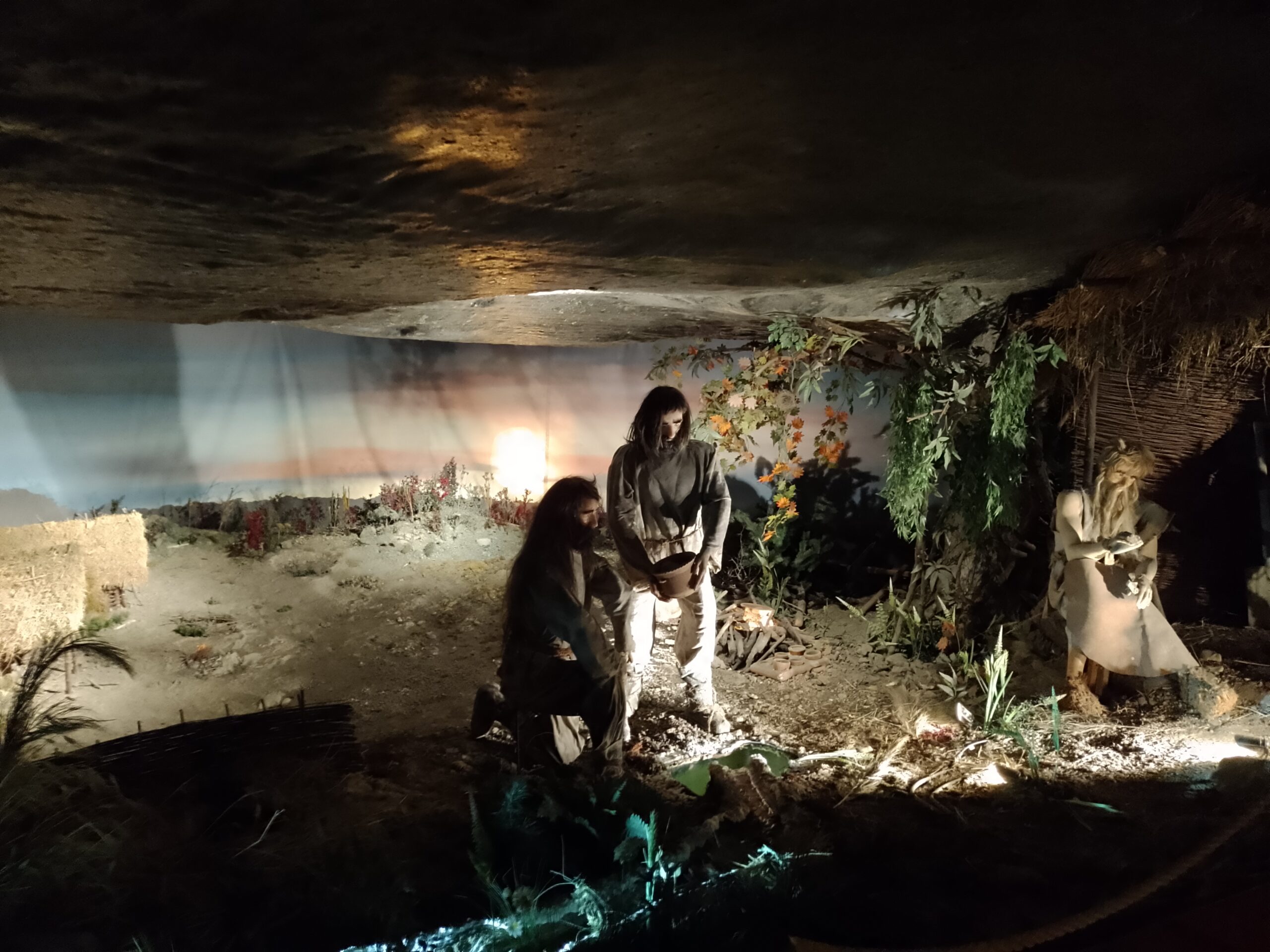
Around 6,000 years ago, during the Neolithic period, people began to settle permanently in this region. They abandoned a nomadic way of life and built their first lasting settlements. It was here, near present-day Wieliczka, that they made a remarkable discovery: salty springs seeping up from the ground. They noticed that the water tasted salty, and that when it was boiled over fire, white crystals remained. Thus, the first salt was produced – extracted drop by drop from spring water. This was one of the earliest forms of industry in this part of the world – simple, yet ingenious: water, fire, and patience.
Salt was precious. It preserved food, sanctified rituals, and gave flavour to life itself. People traded it, protected it, and even used it as payment.
The Birth of the Mine
Over time, the salty springs dried up. In the 13th century, people began digging deeper into the ground in search of the source from which the water had once flowed. Beneath the surface, they discovered massive deposits of rock salt – solid mountains of salt.
Thus was born the Wieliczka Salt Mine – one of the oldest operating salt mines in Europe. It became the treasury of the Polish Crown, a source of wealth and pride. During the Middle Ages, it financed a significant portion of the Polish kingdom’s income, and Cracow was sometimes described as “rich in salt and spirit.”
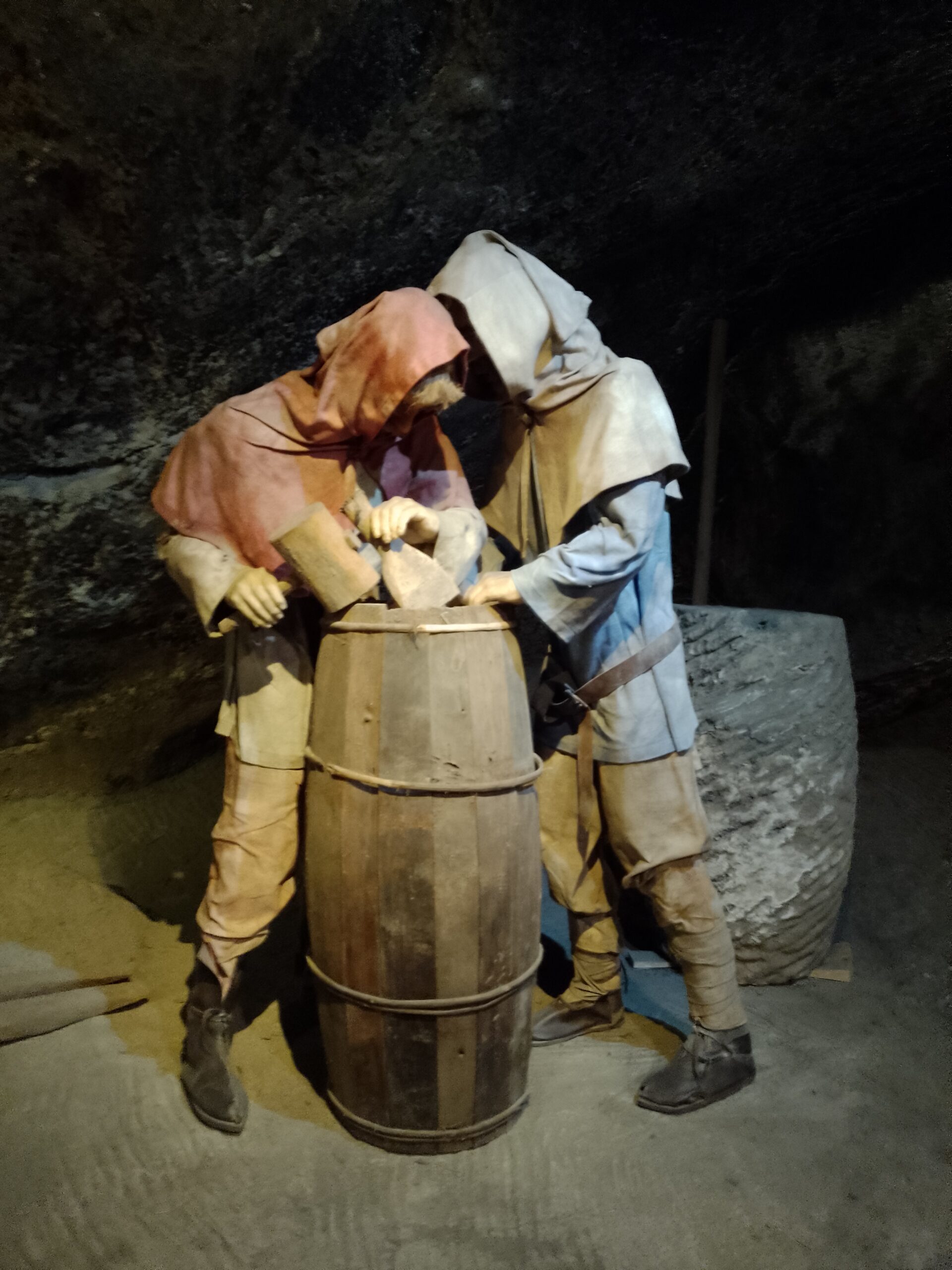
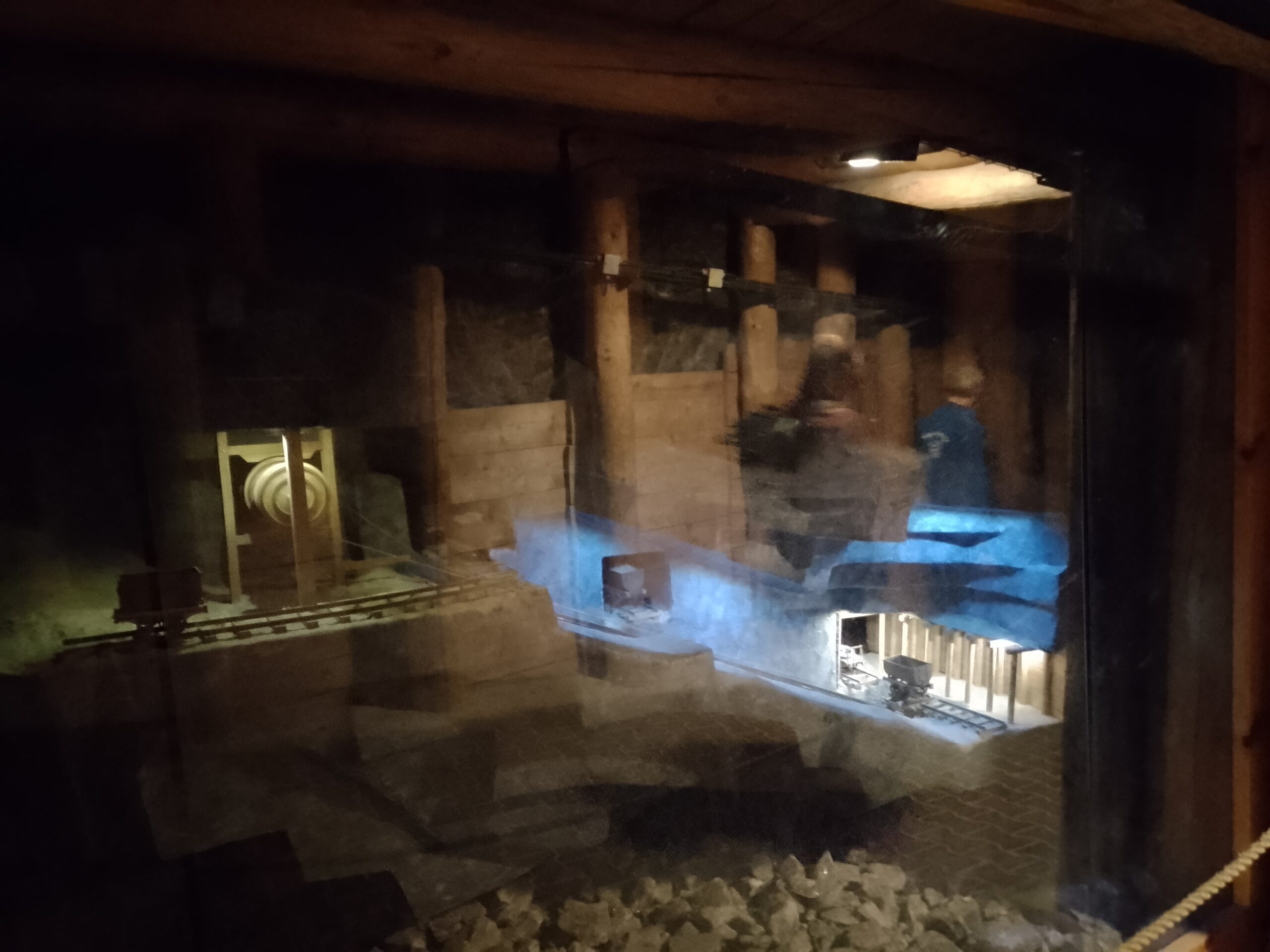
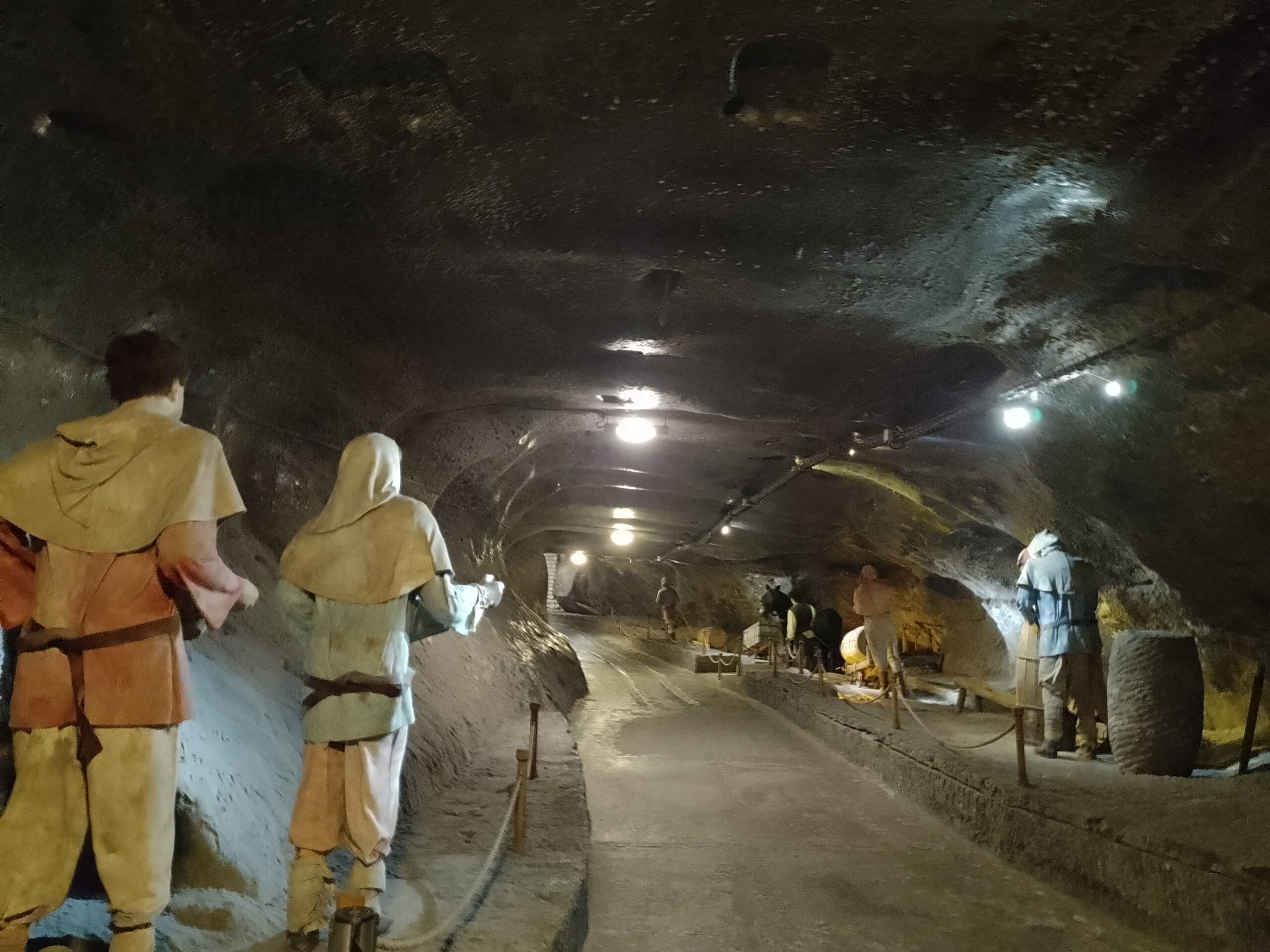
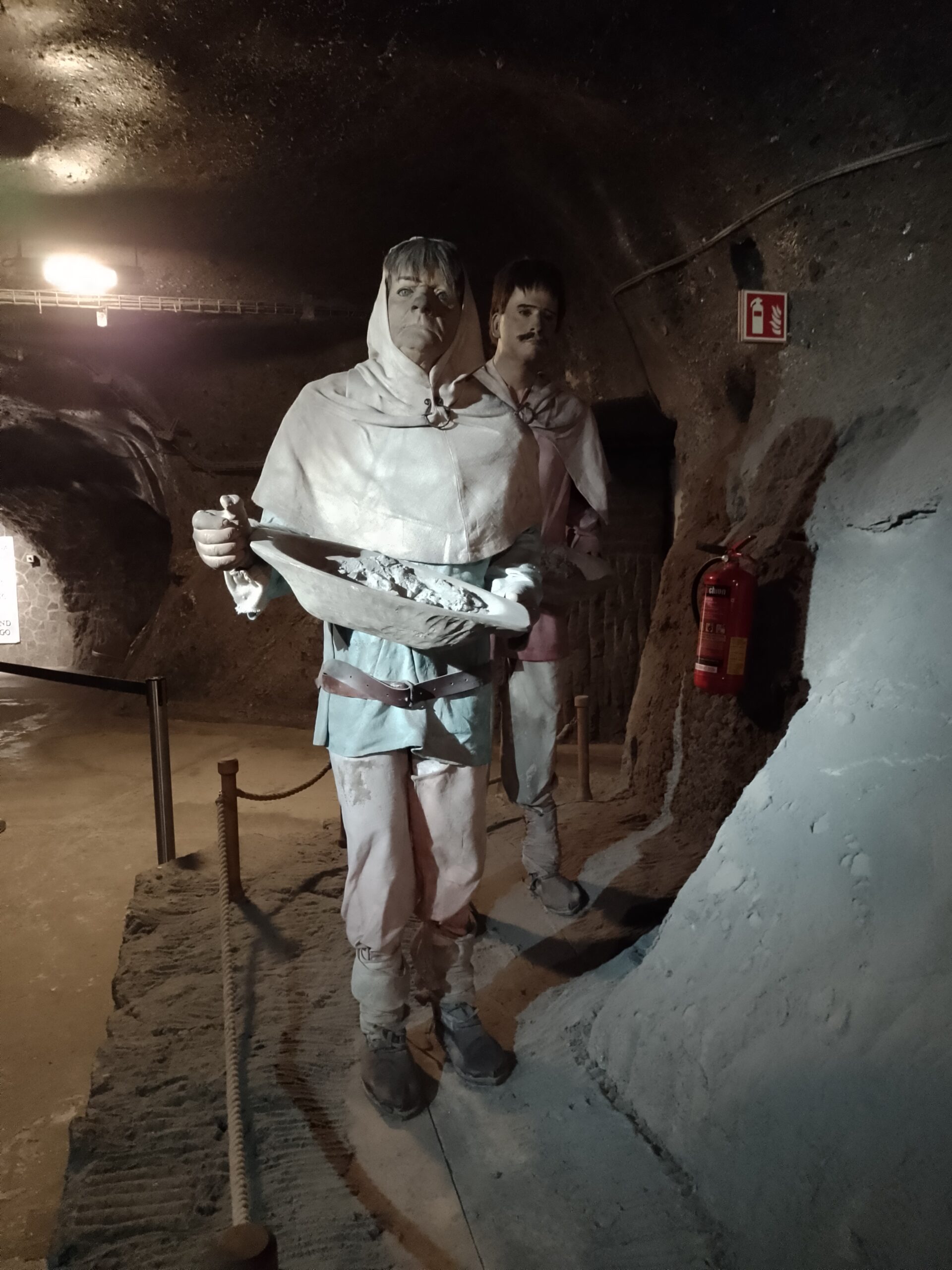
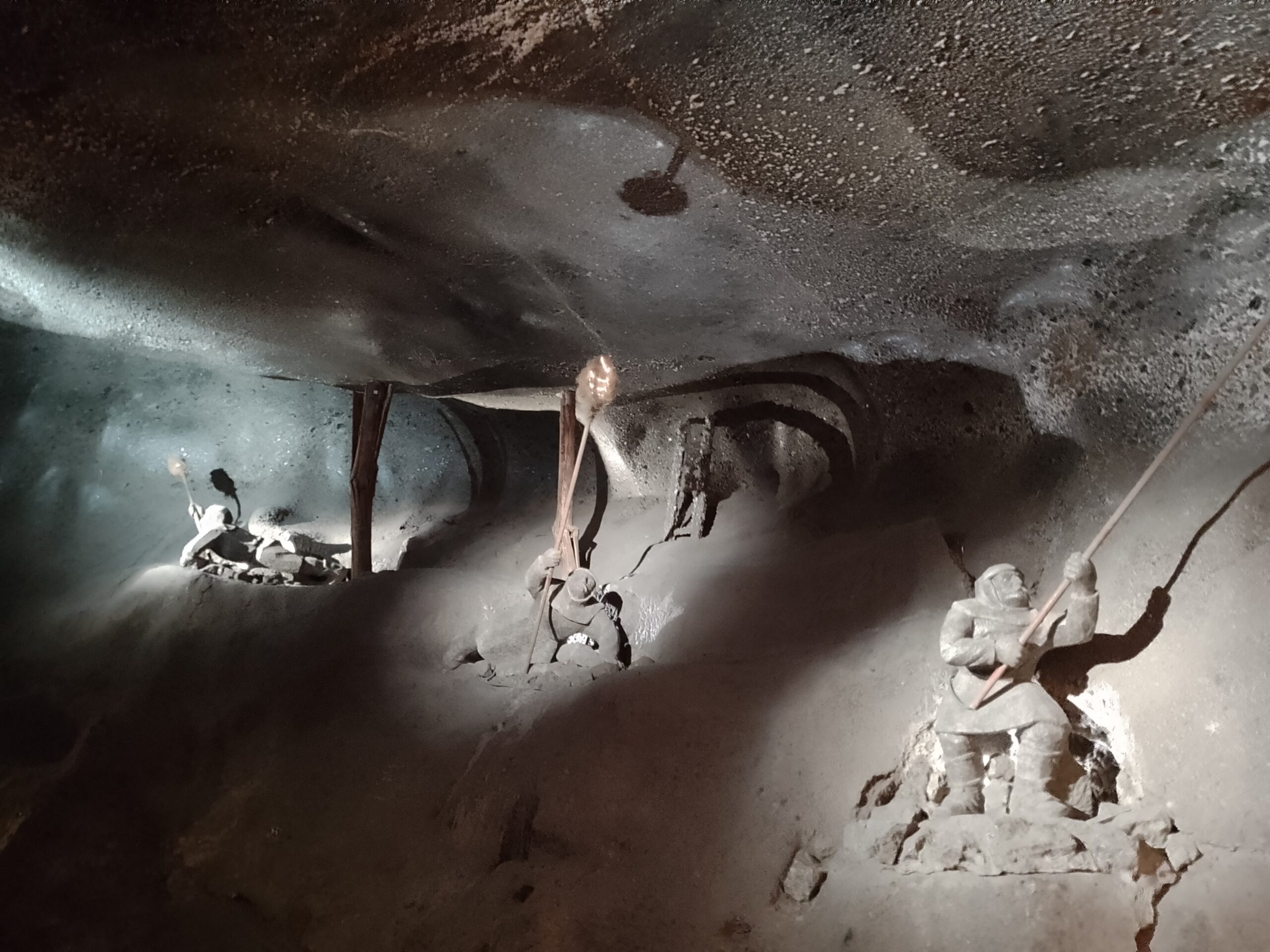
For centuries, miners worked underground – cutting, carrying, and carving chambers, tunnels, chapels, and statues directly from salt. They left behind more than 300 kilometres of passages and nine levels of shafts, some reaching over 300 metres below the surface.
Today, mining has ceased. Salt extraction was halted in the 1990s to protect the mine from flooding and collapse. Yet the site lives on – as a UNESCO World Heritage Site, a museum, and a monument to human labour and imagination. Wieliczka was never a natural cave, but a masterpiece created in dialogue between humanity and nature.
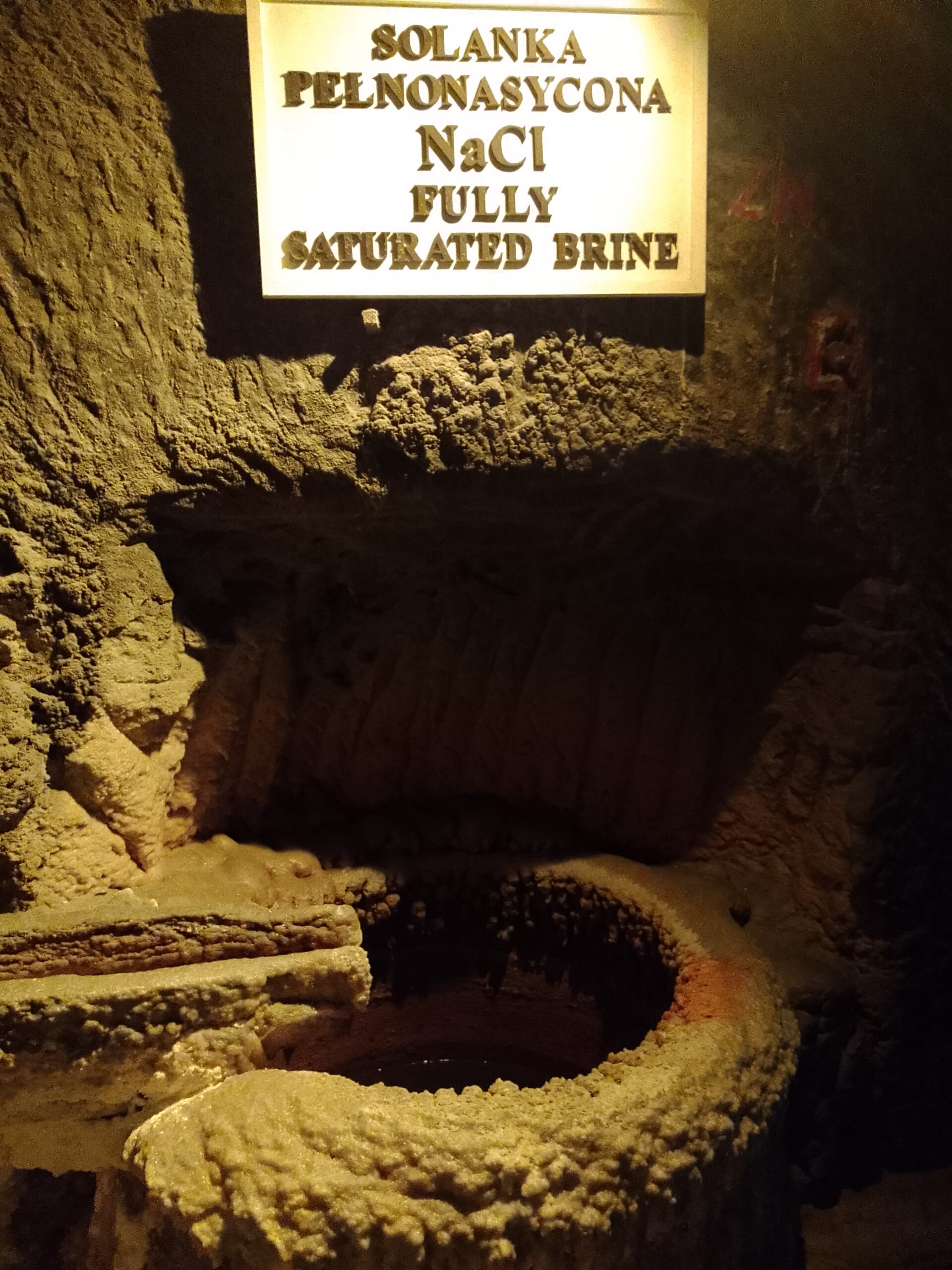
Even though extraction has ended, water is still pumped from the deepest levels to protect the mine. From this brine, fine table salt is still produced today – white crystals born of an ancient sea. It is as if the sea still breathes below the surface, through drops of water and grains of salt.
Visiting Wieliczka – A Walk Through Time and Earth
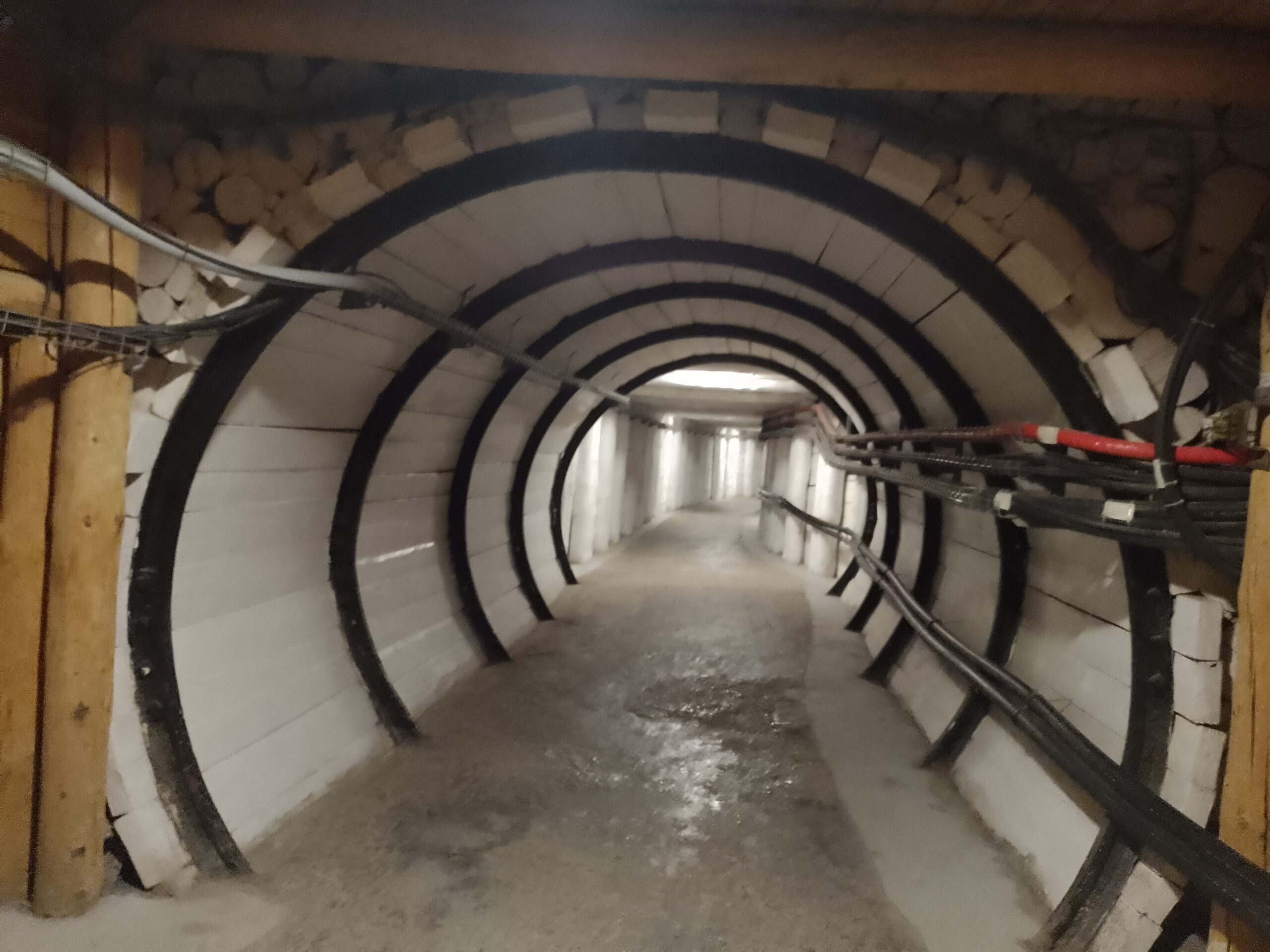
A standard visit to the Wieliczka Salt Mine lasts about three hours and covers approximately 3.5 kilometres of tunnels across the three uppermost levels. The tour begins 64 metres underground and ends nearly 135 metres below the surface.
Along the way, visitors encounter:
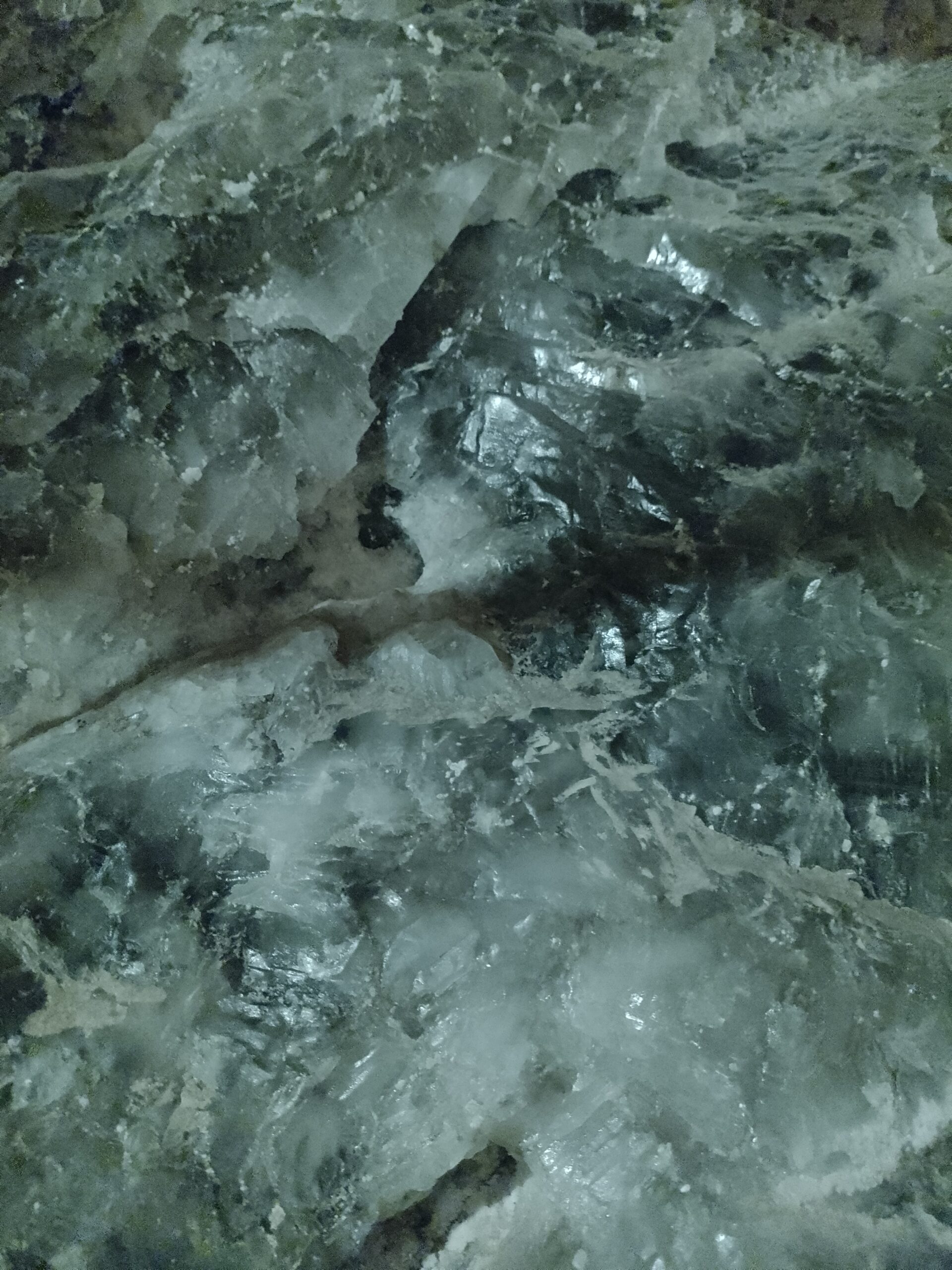
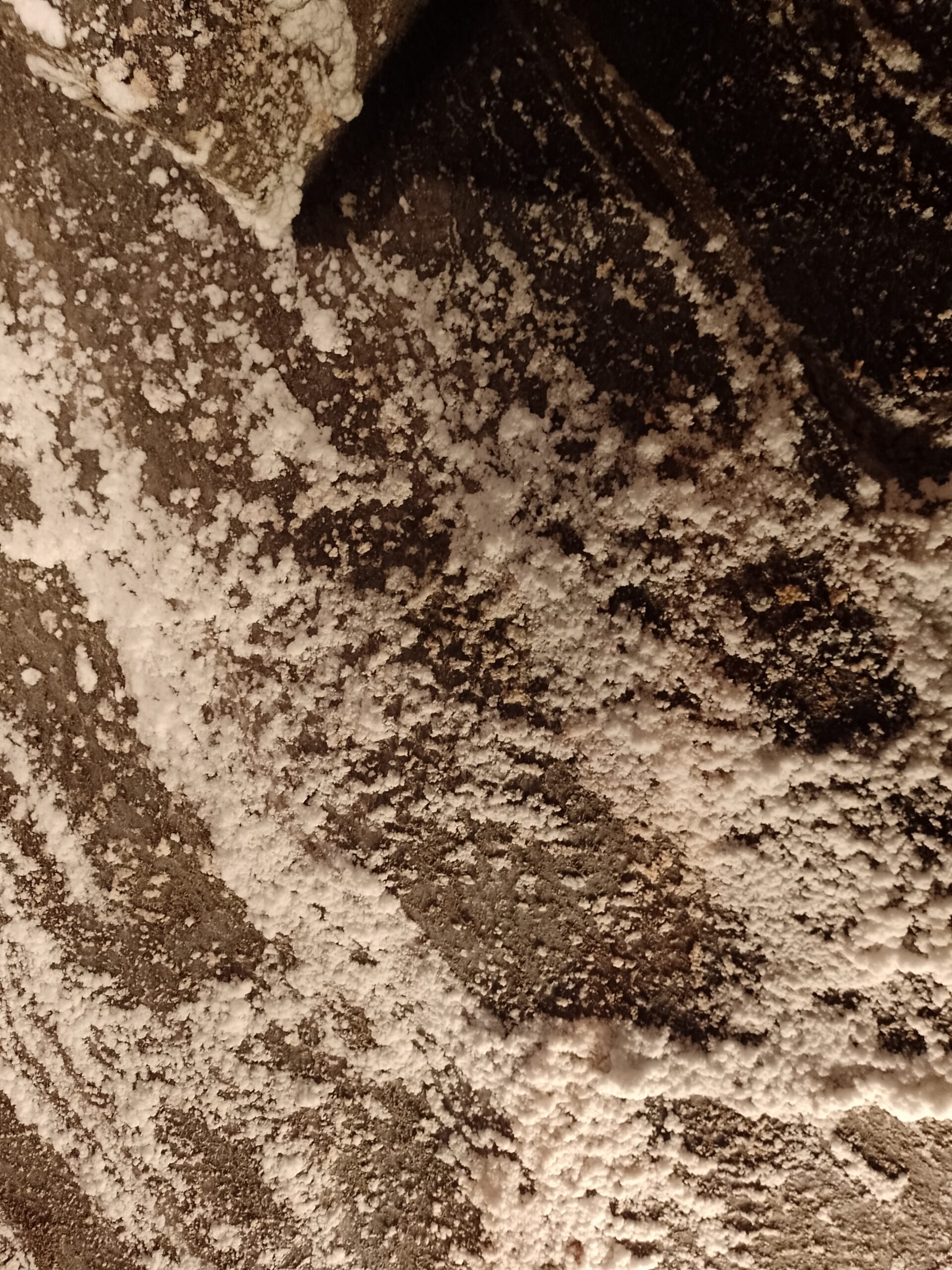
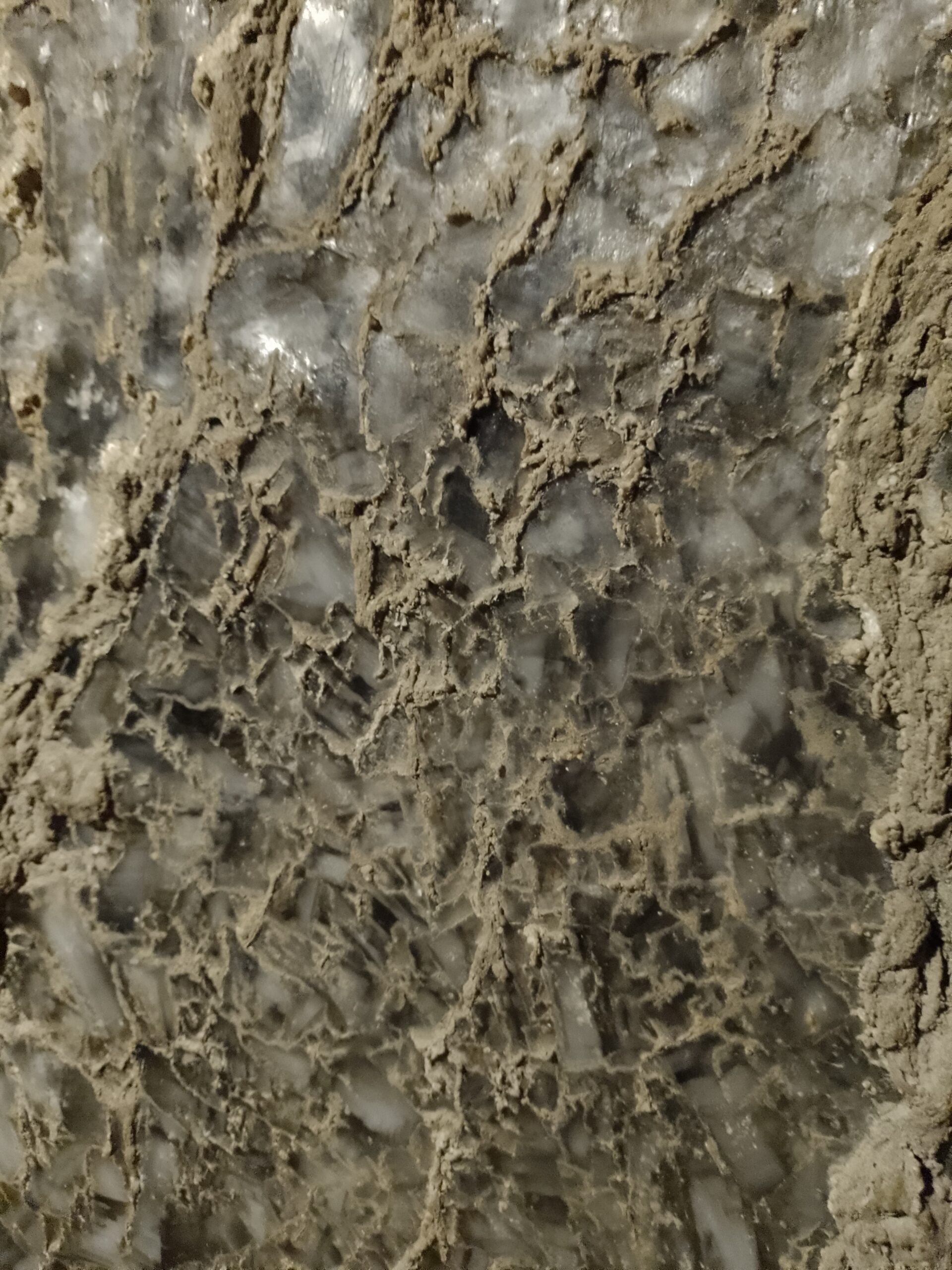
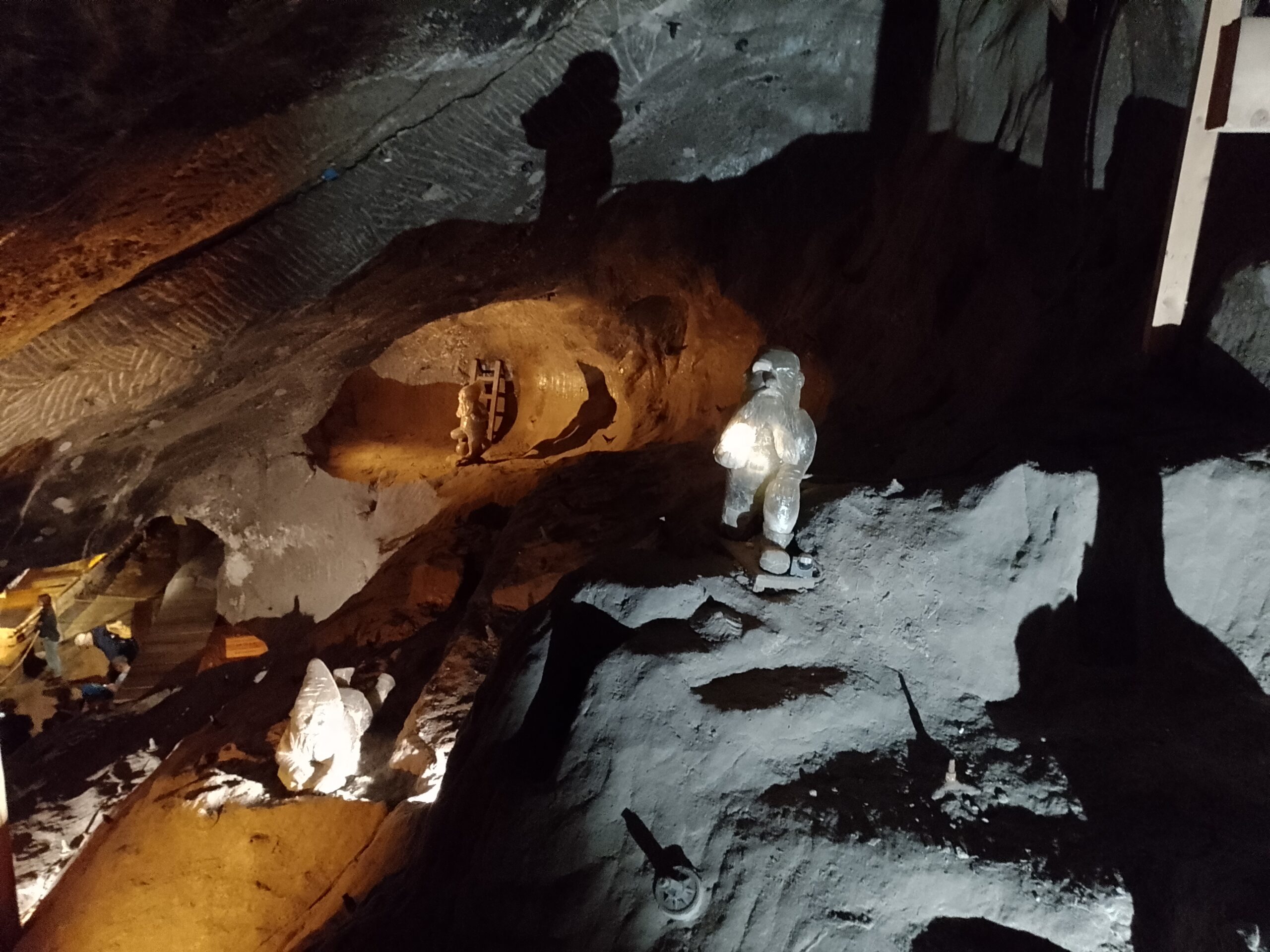
- Salt formations in countless shades, from bright white crystal to deep grey stone – sculptures of kings, saints, and historical figures, carved by miners in darkness and silence, without modern tools
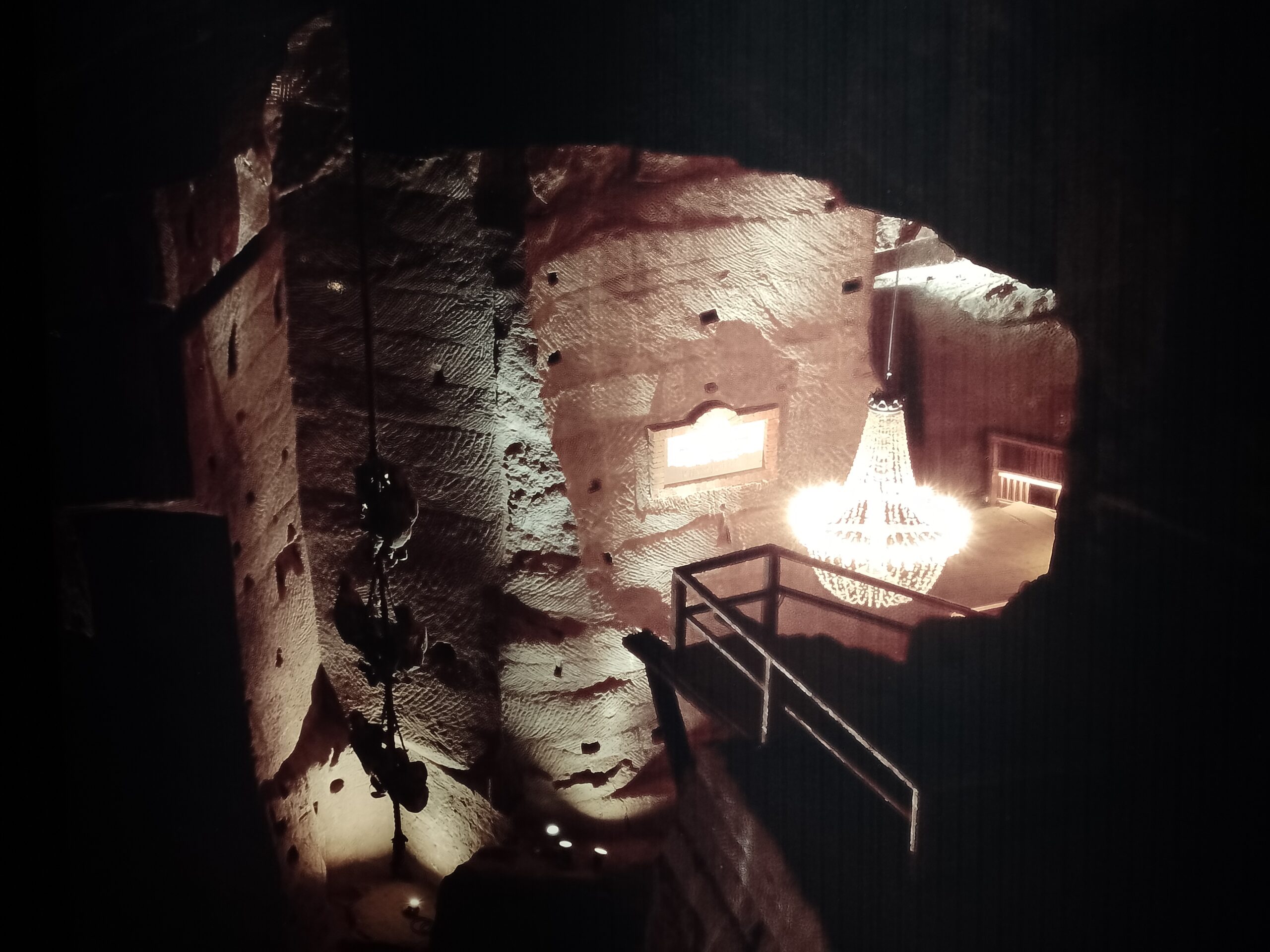
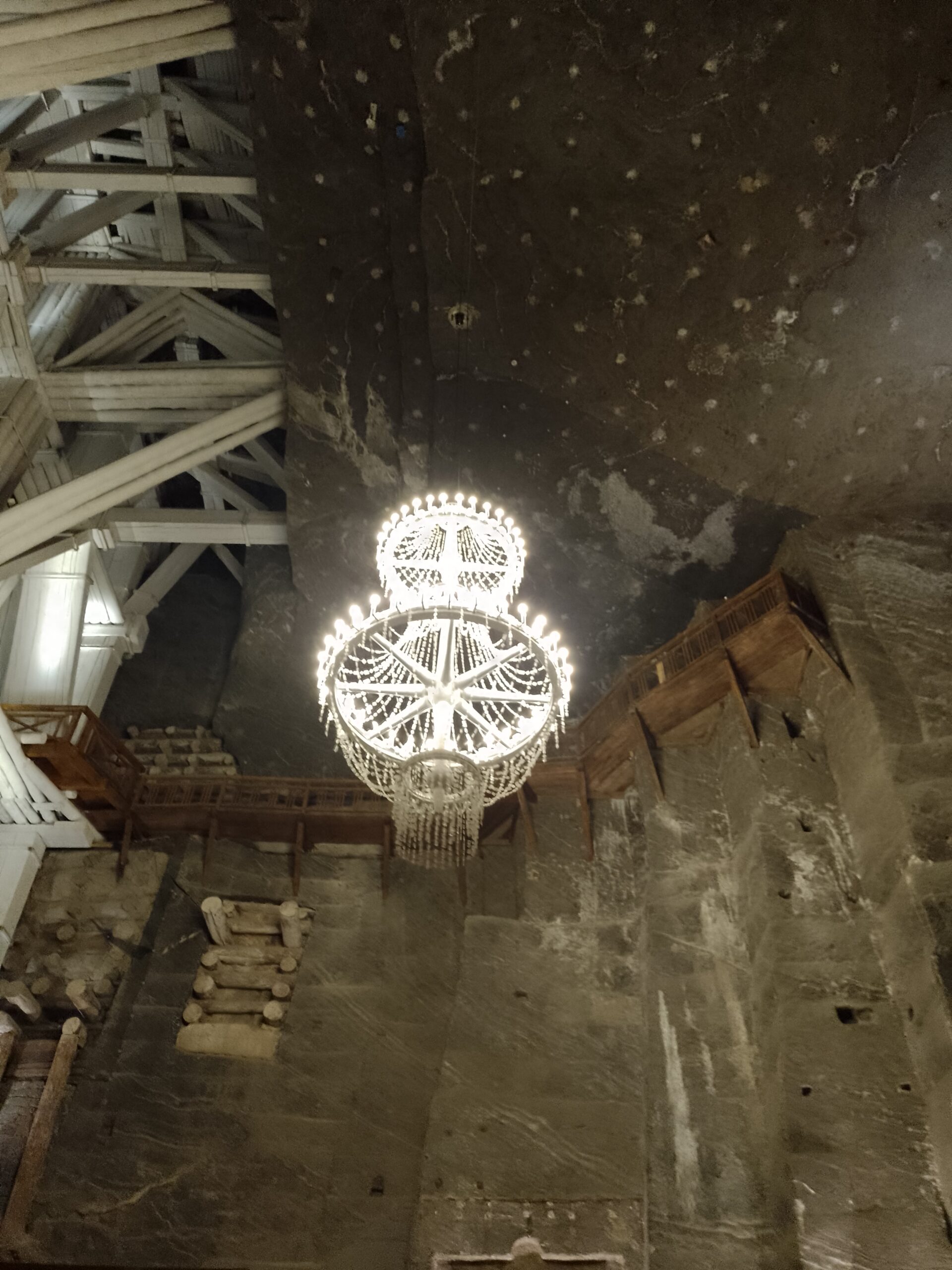
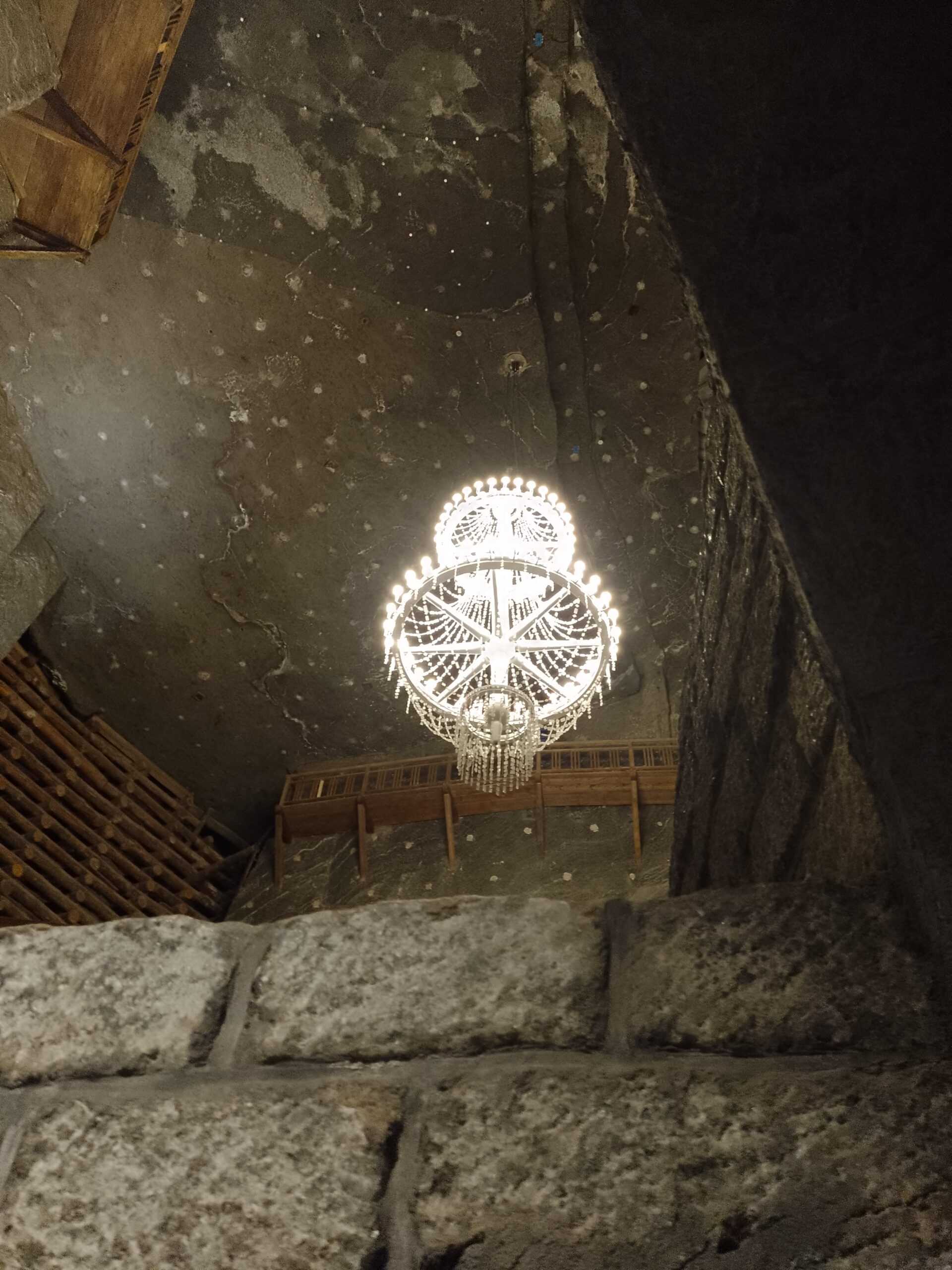
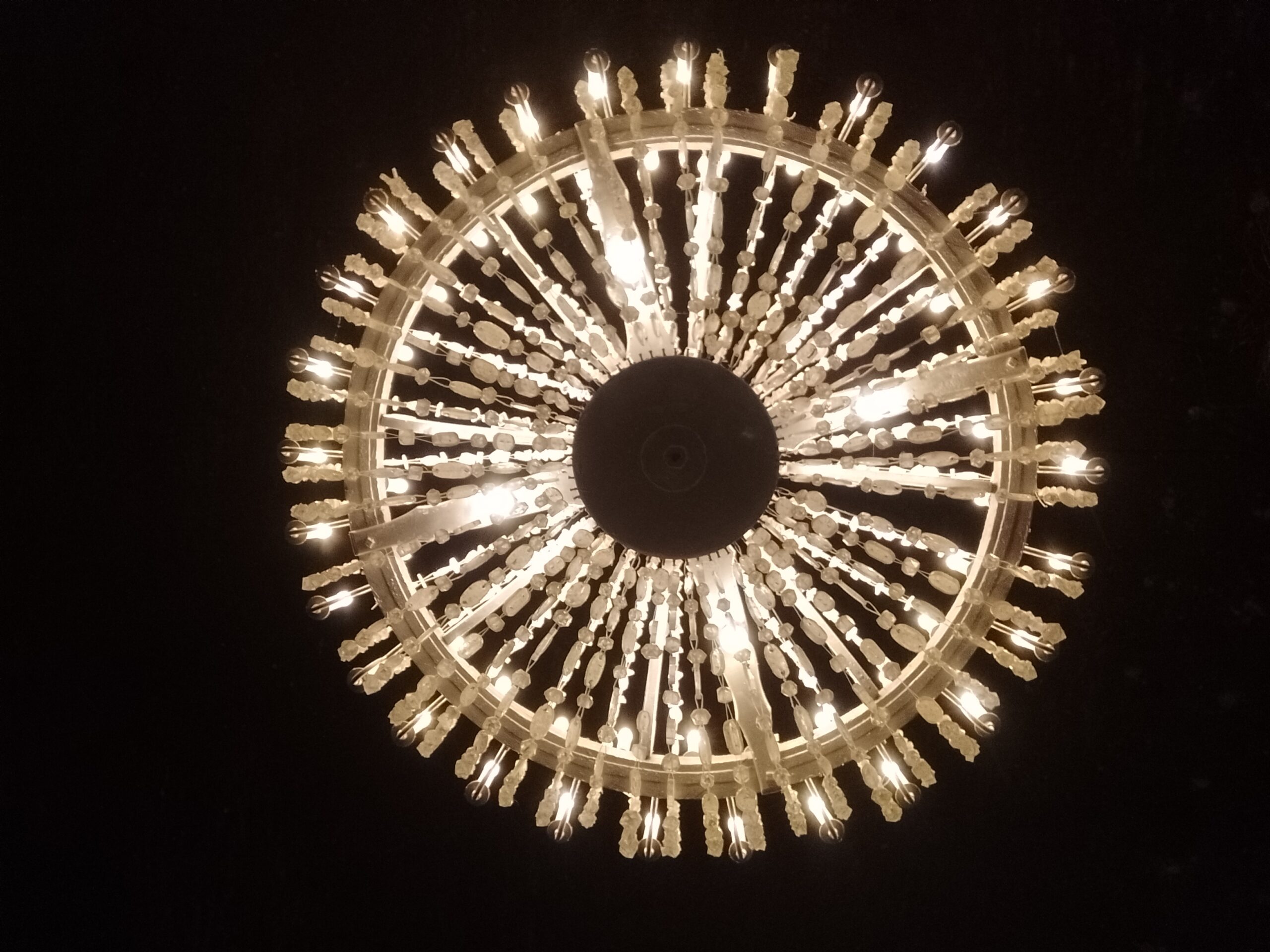
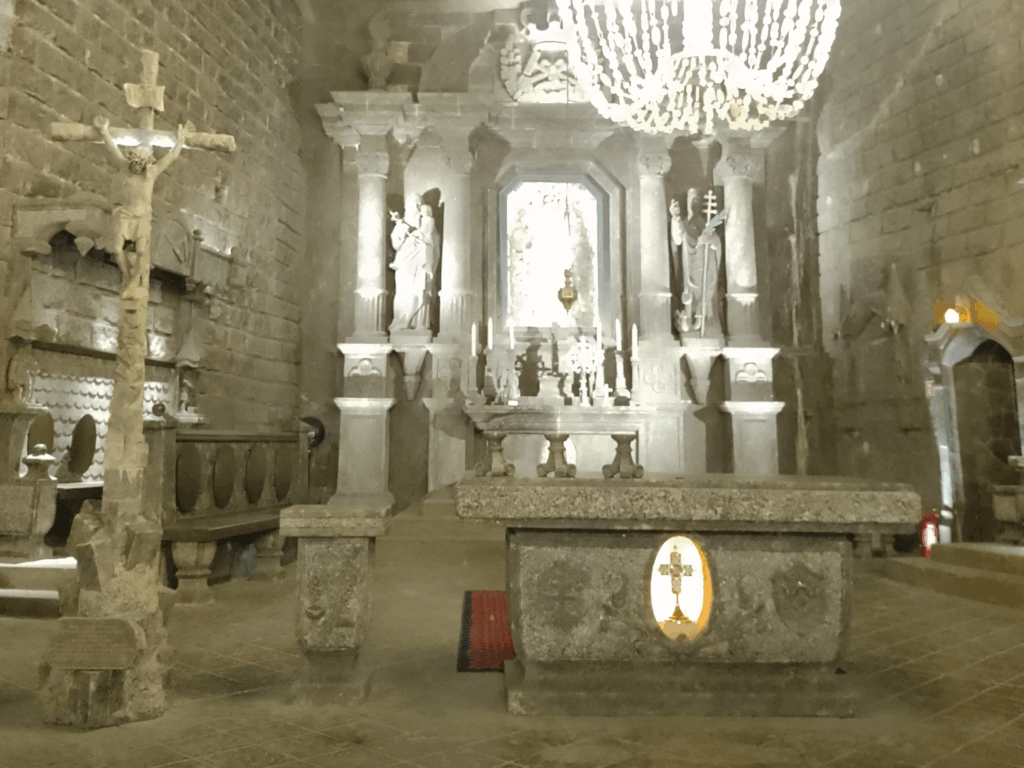
- The Chapel of St. Kinga – one of the world’s most extraordinary underground spaces, where everything, from altar and walls to floors and chandeliers, is made of salt
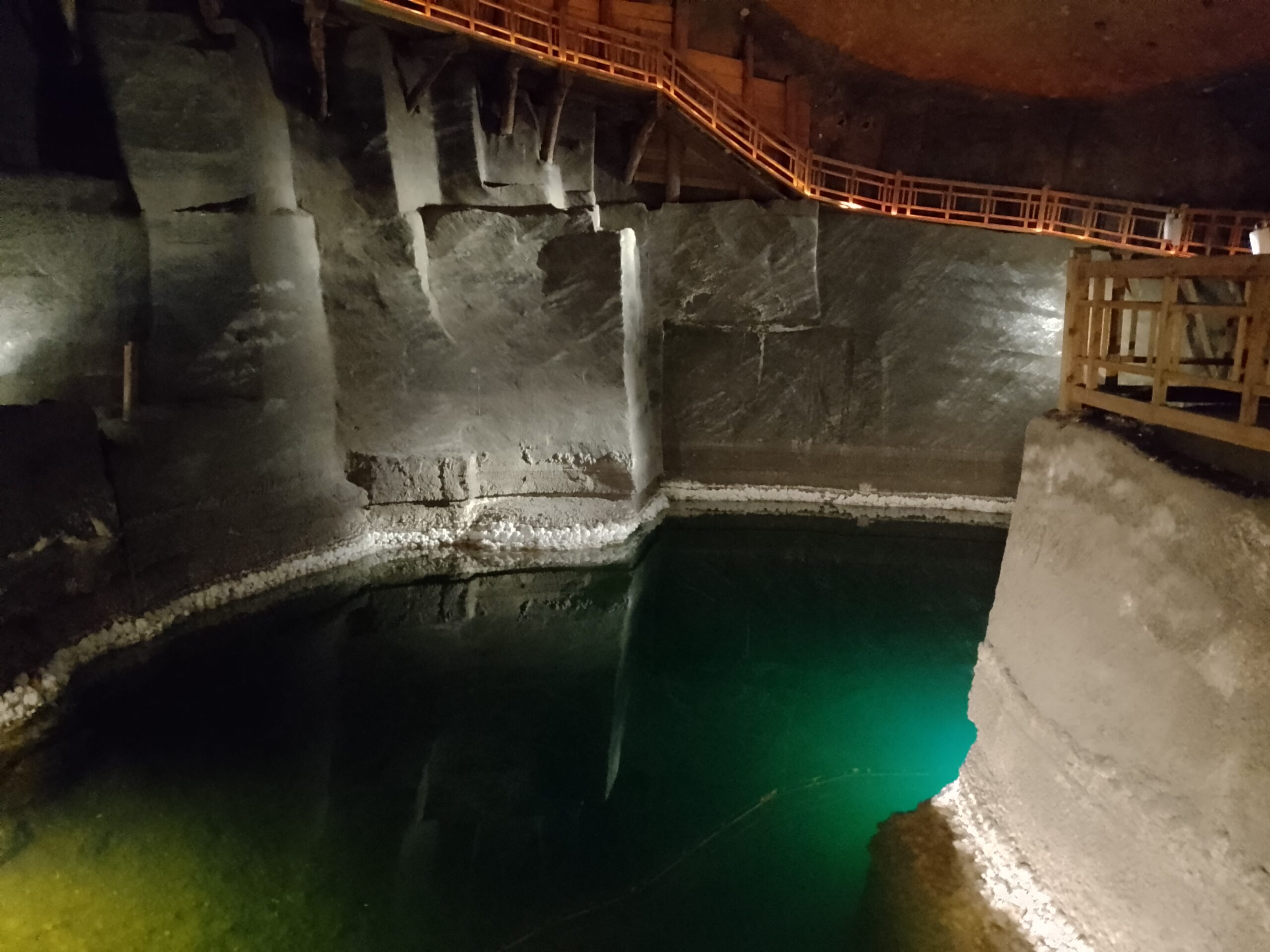
- Underground lakes with emerald-green water, reflecting light off salt crystals
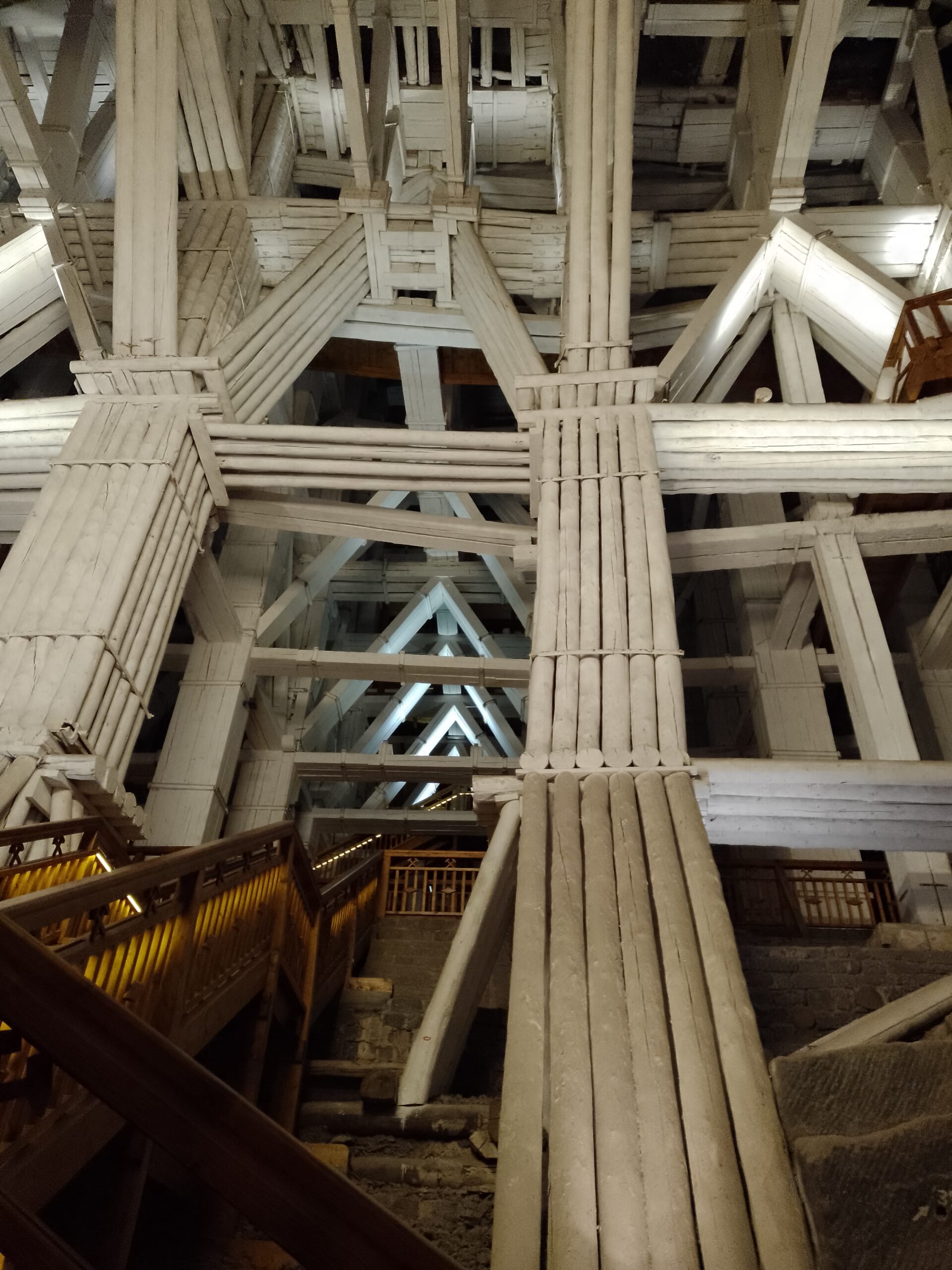
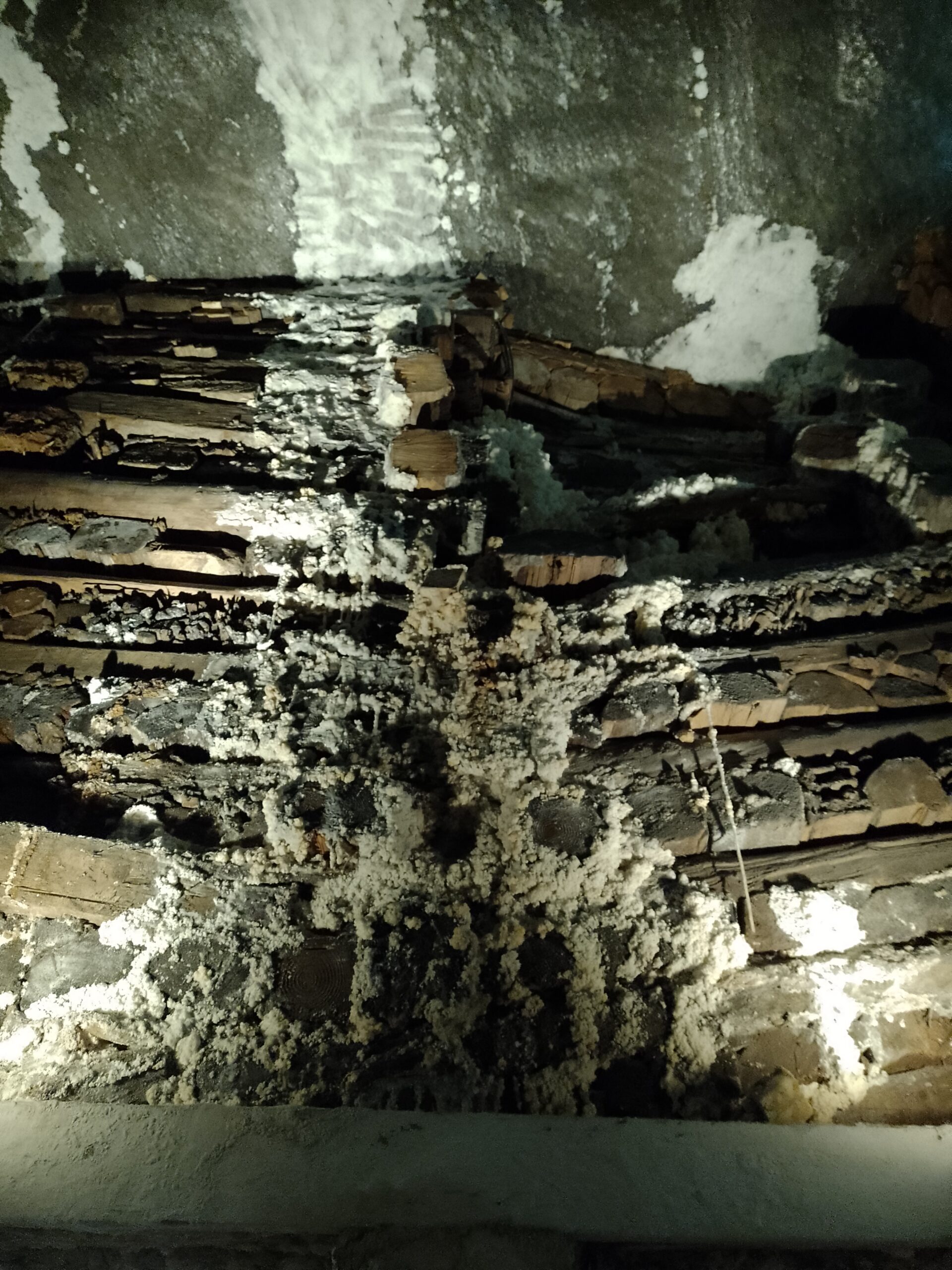
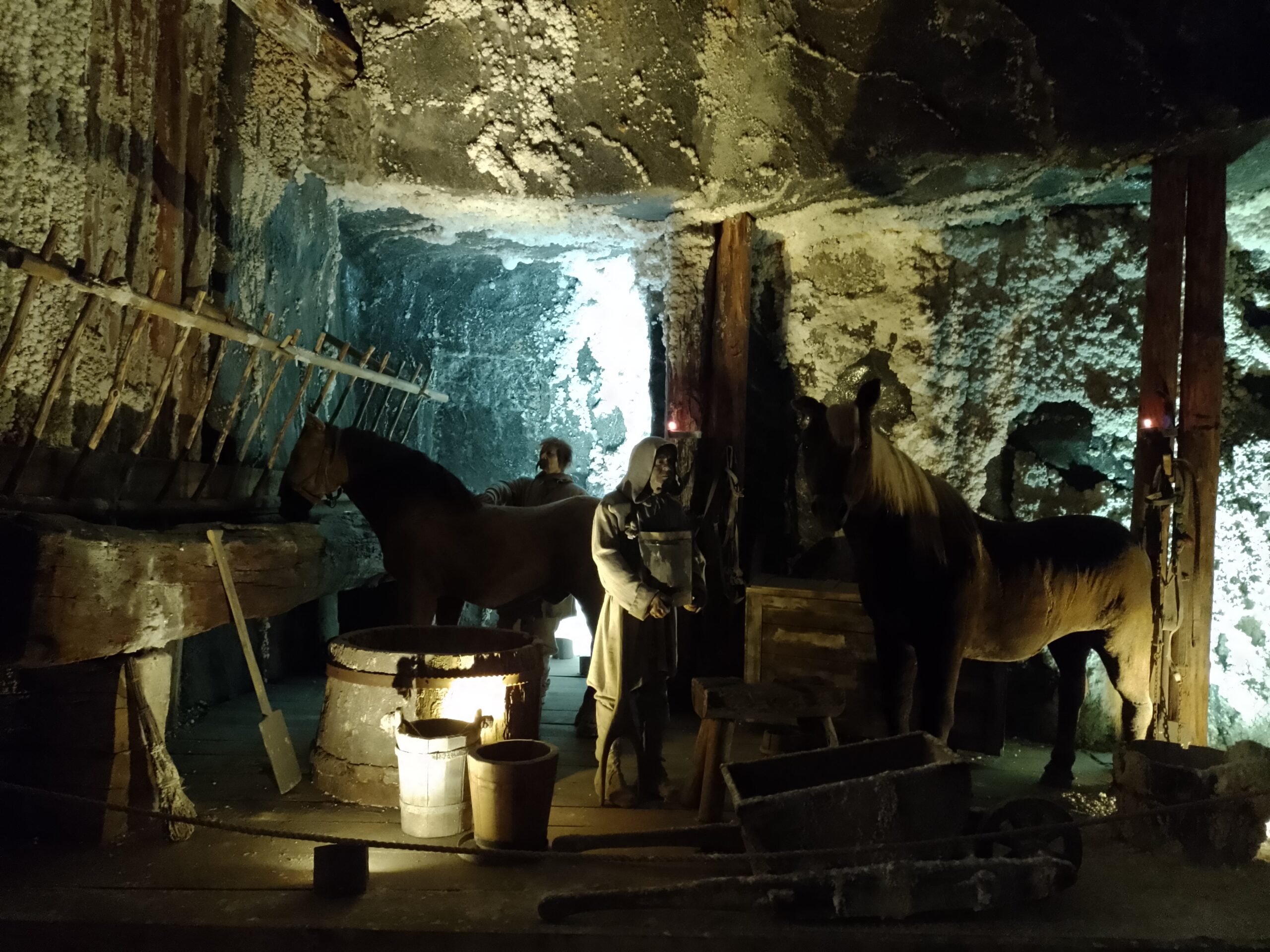
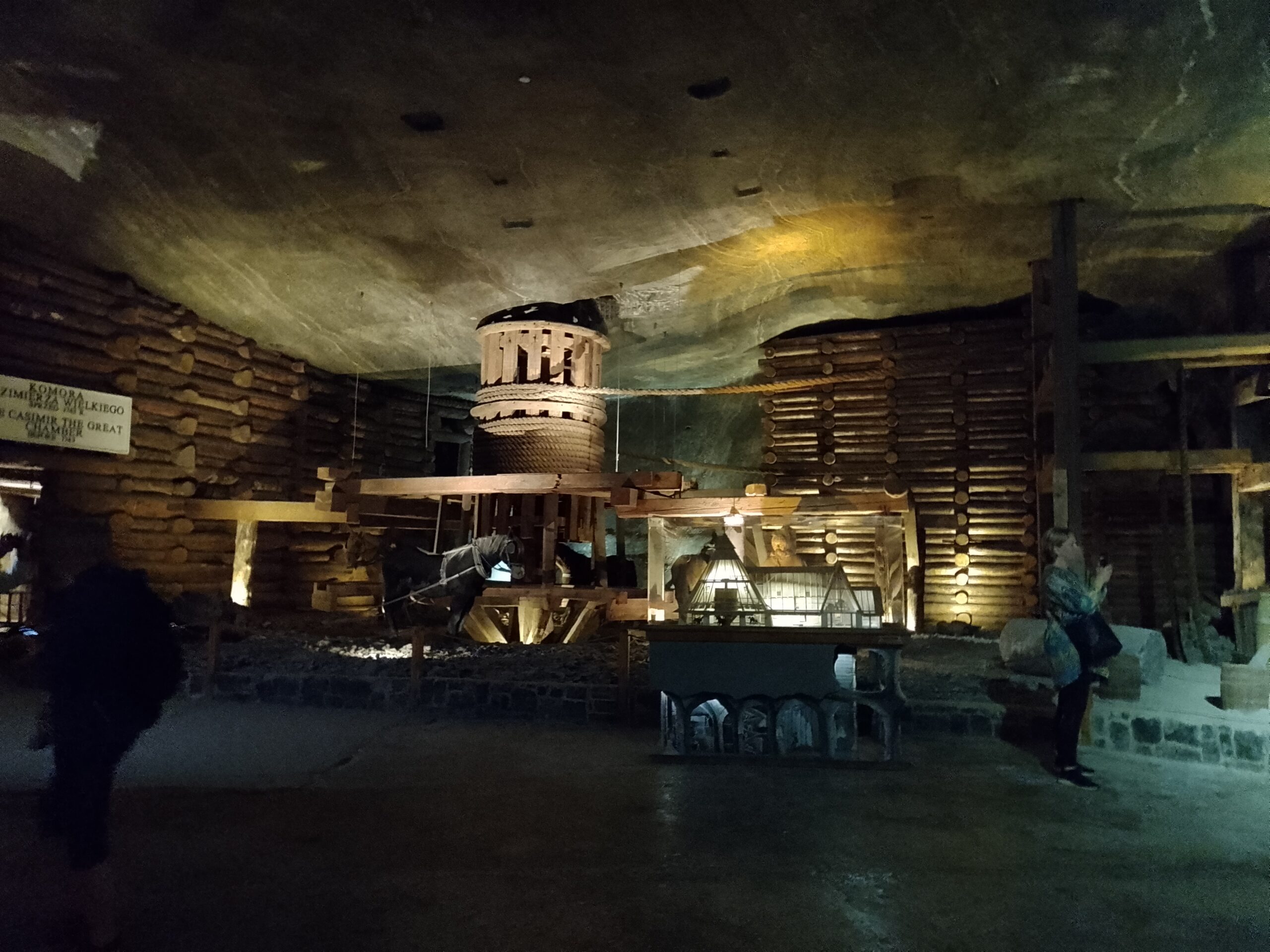
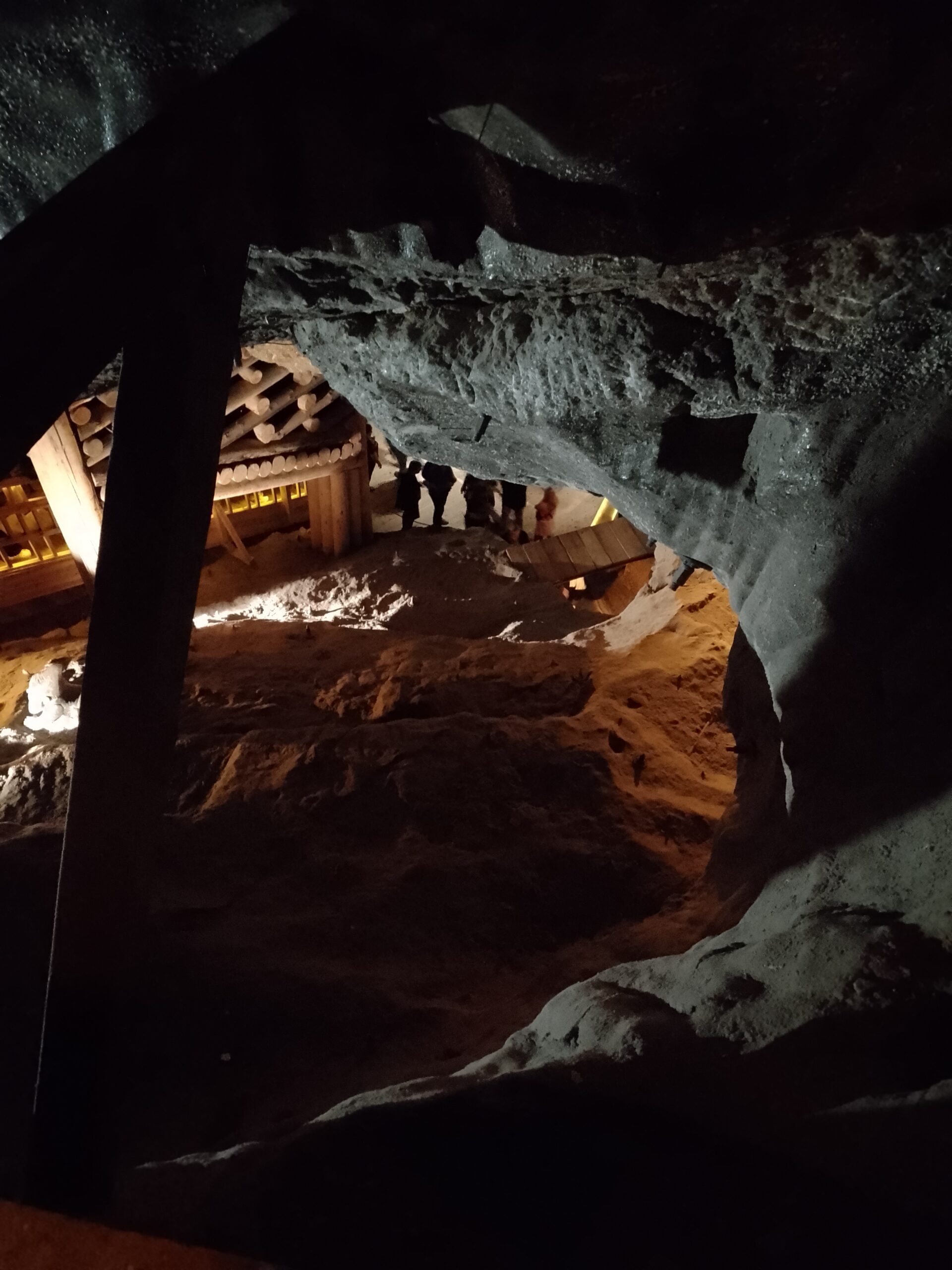
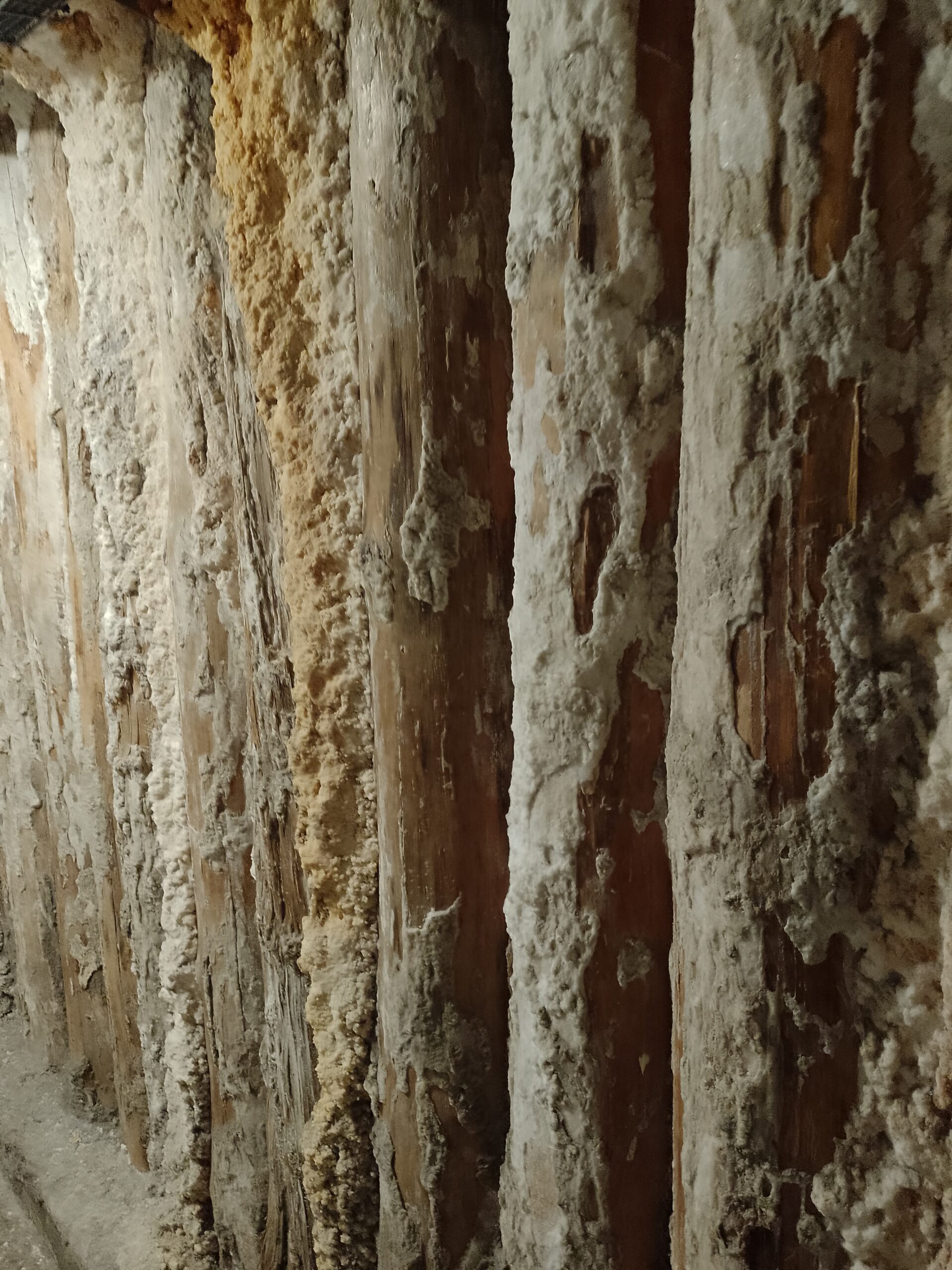
- Historic shafts and corridors bearing marks of medieval tools, wooden mechanisms, and horse-powered winches
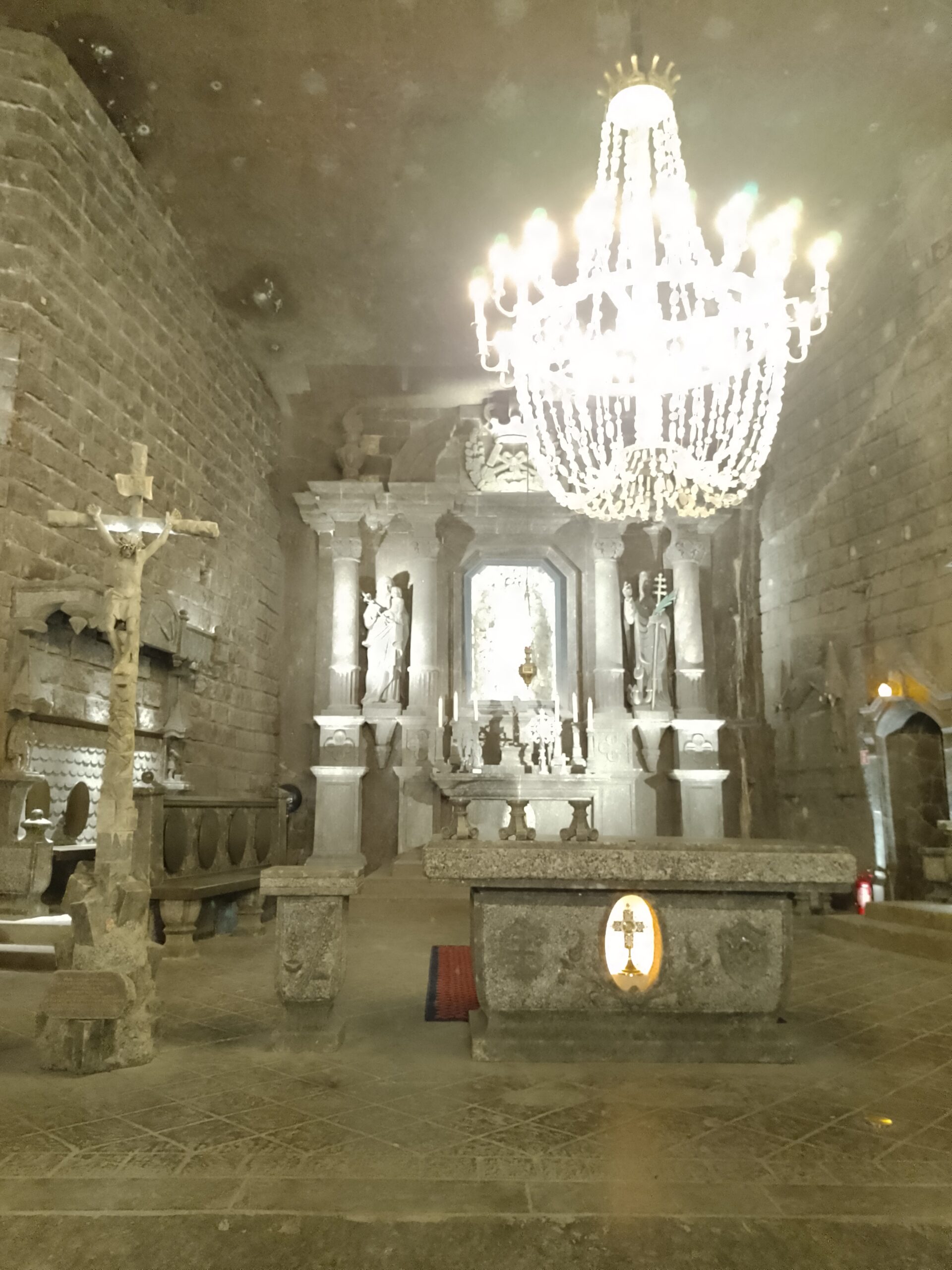
For many visitors, the experience blends geology, art, and history into a journey that lingers long after returning to daylight.
Practical Information – What to Expect
The underground world is fascinating, but also unique. The mine is dimly lit, and ceilings can sometimes be low. The tour begins with a descent of 360 steps, followed by a route that includes a total of around 800 steps throughout the visit.
The ascent back to the surface is made in a small mining lift – a metal cage reminiscent of those once used by miners. Visitors with claustrophobia or limited mobility may wish to be aware of these conditions in advance. Despite this, most visitors find the tour safe, well-organised, and unforgettable.
A Place Between Nature and Humanity
Wieliczka is more than a technical marvel. It is a place where the history of the Earth meets the story of humanity – where geological processes and human perseverance merge into a shared creation. Here, we walk quite literally on the floor of an ancient sea, yet also on the summit of culture.
Each step through the cool tunnels is a step through time and into the depths of the planet. The quiet work of the Earth meets human imagination, faith, and determination.
This is why the mine continues to inspire awe. Its splendour reminds us that humanity did not merely shape the mine, but entered into a dialogue with the Earth – with the memory of the sea, and with our own enduring desire to understand what lies beneath the surface.